
Science
Researchers Uncover Medieval Jewish History Using AI Technology

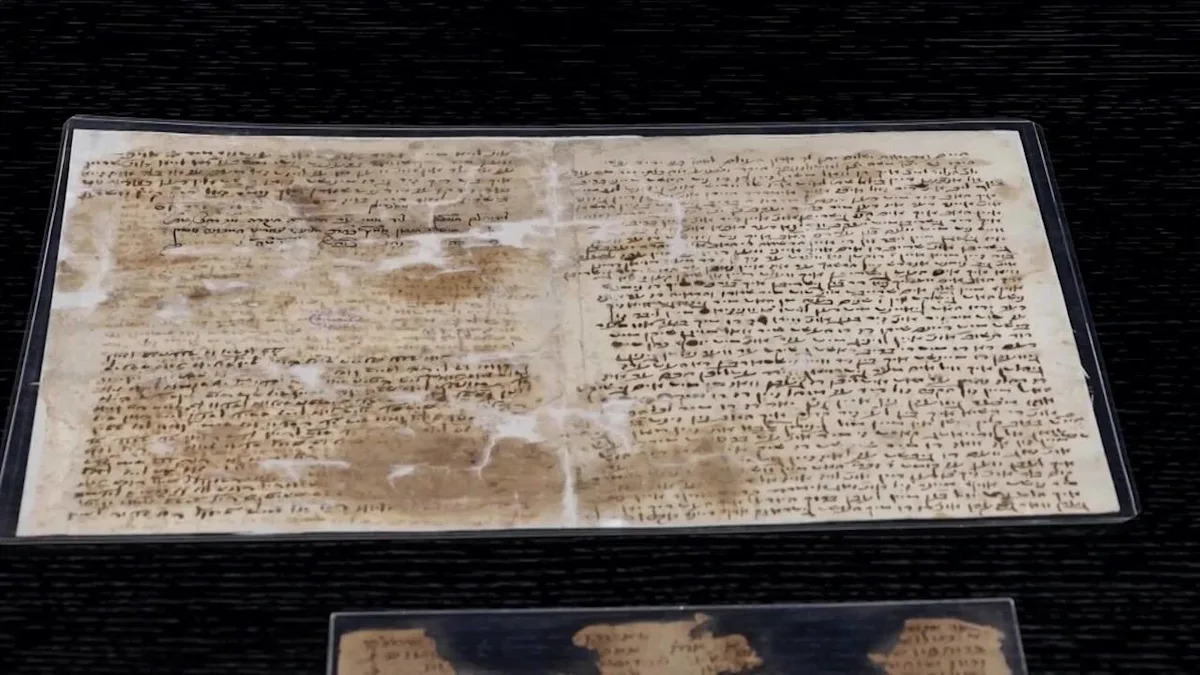
Researchers are harnessing the power of artificial intelligence to explore the world’s largest collection of medieval Jewish documents, a trove that dates back centuries. This groundbreaking initiative aims to enhance understanding of Jewish history and culture through advanced data analysis techniques.
The collection, housed at the Jewish Historical Society in Israel, contains over 1 million documents, many of which are fragile and rarely accessed. Traditionally, scholars painstakingly examined these texts, but AI is now enabling faster and more comprehensive analyses. This innovative approach facilitates the identification of patterns and connections that were previously difficult to discern.
One of the leading institutions involved in this project is the University of Cambridge, which has partnered with the Jewish Historical Society. Together, they are developing algorithms designed to process the vast amount of data contained in these documents. According to Professor David Katz, a prominent researcher in this field, the integration of AI allows for a more nuanced reading of the texts, unveiling insights that could reshape our understanding of medieval Jewish life.
Transforming Research with Technology
The use of AI in historical research marks a significant shift in how scholars approach archival work. Traditional methods often required extensive manual labor, limiting the scope of research and analysis. With AI, researchers can automate the digitization and categorization of documents, making it easier to access and study these valuable resources.
The project also leverages machine learning to improve recognition of various languages and scripts found within the archive. This is particularly important as many documents are written in languages such as Hebrew, Arabic, and Judeo-Arabic, which can be challenging to interpret. By training AI models with existing datasets, researchers are enhancing the technology’s ability to accurately read and translate these historical texts.
In recent months, the project has yielded promising results. Early findings suggest that the AI has successfully identified previously unknown connections between different manuscripts, highlighting relationships among various Jewish communities during the medieval period. Such discoveries could provide deeper insights into the social and cultural dynamics of the time.
Future Implications for Historical Studies
The implications of this research extend beyond the academic community. By making the archive more accessible, the project aims to engage a wider audience in Jewish history. Online platforms are being developed to share findings and allow the public to explore the documents interactively. This democratization of knowledge promotes a greater appreciation for the historical significance of these texts.
As the research progresses, the team anticipates that AI will continue to enhance the field of historical studies. The ability to analyze large datasets in new ways could transform our understanding of numerous historical events and cultural developments. Furthermore, the methodologies established through this project may serve as a model for similar initiatives in other fields of study.
In conclusion, the integration of AI technology into the exploration of medieval Jewish documents represents a significant advancement in historical research. By combining cutting-edge technology with traditional scholarship, researchers are opening new avenues for understanding the past and making these insights accessible to all.

Bitcoin Plummets Below $88K Amid Tether Concerns and Warnings

Designers Unveil 5 Urgent Tricks to Transform Outdoor Eyesores

Shark Teeth Research Reveals Urgent Need to Protect Species

Church Members Unite in Resilience After Thanksgiving Fire

Community Unites to Attempt World Record for Largest Cookie Exchange

Mayor Lurie Appoints Alan Wong to District 4 Seat Amid Controversy

Mayor Appoints Alan Wong as New Supervisor for District 4

UK Report Reveals AI’s Role in Evaluating University Research Quality

Gabriela Jaquez Shines as No. 3 UCLA Dominates No. 14 Tennessee

University of Hawaiʻi Joins $25.6M AI Initiative to Monitor Disasters

Toledo City League Announces Hall of Fame Inductees for 2024

DOJ Seizes $15 Billion in Bitcoin from Major Crypto Fraud Network

Sharp Launches Five New Aquos QLED 4K Ultra HD Smart TVs

Celtics Coach Joe Mazzulla Dominates Local Media in Scrimmage

Mutual Advisors LLC Increases Stake in SPDR Portfolio ETF

Community Unites for 7th Annual Walk to Raise Mental Health Awareness

Western Executives Confront Harsh Realities of China’s Manufacturing Edge

INK Entertainment Launches Exclusive Sofia Pop-Up at Virgin Hotels
-
Science4 weeks ago
University of Hawaiʻi Joins $25.6M AI Initiative to Monitor Disasters
-
 Lifestyle2 months ago
Toledo City League Announces Hall of Fame Inductees for 2024
-
 Business2 months ago
DOJ Seizes $15 Billion in Bitcoin from Major Crypto Fraud Network
-
 Top Stories2 months ago
Sharp Launches Five New Aquos QLED 4K Ultra HD Smart TVs
-
 Sports2 months ago
Celtics Coach Joe Mazzulla Dominates Local Media in Scrimmage
-
 Politics2 months ago
Mutual Advisors LLC Increases Stake in SPDR Portfolio ETF
-
 Health2 months ago
Community Unites for 7th Annual Walk to Raise Mental Health Awareness
-
 Science2 months ago
Western Executives Confront Harsh Realities of China’s Manufacturing Edge
-
 World2 months ago
INK Entertainment Launches Exclusive Sofia Pop-Up at Virgin Hotels
-

 Politics2 months ago
Major Networks Reject Pentagon’s New Reporting Guidelines
-

 Science1 month ago
Astronomers Discover Twin Cosmic Rings Dwarfing Galaxies
-

 Top Stories1 month ago
Randi Mahomes Launches Game Day Clothing Line with Chiefs