
World
Trump Urges Japan to Reduce Tensions on Taiwan After Xi Call

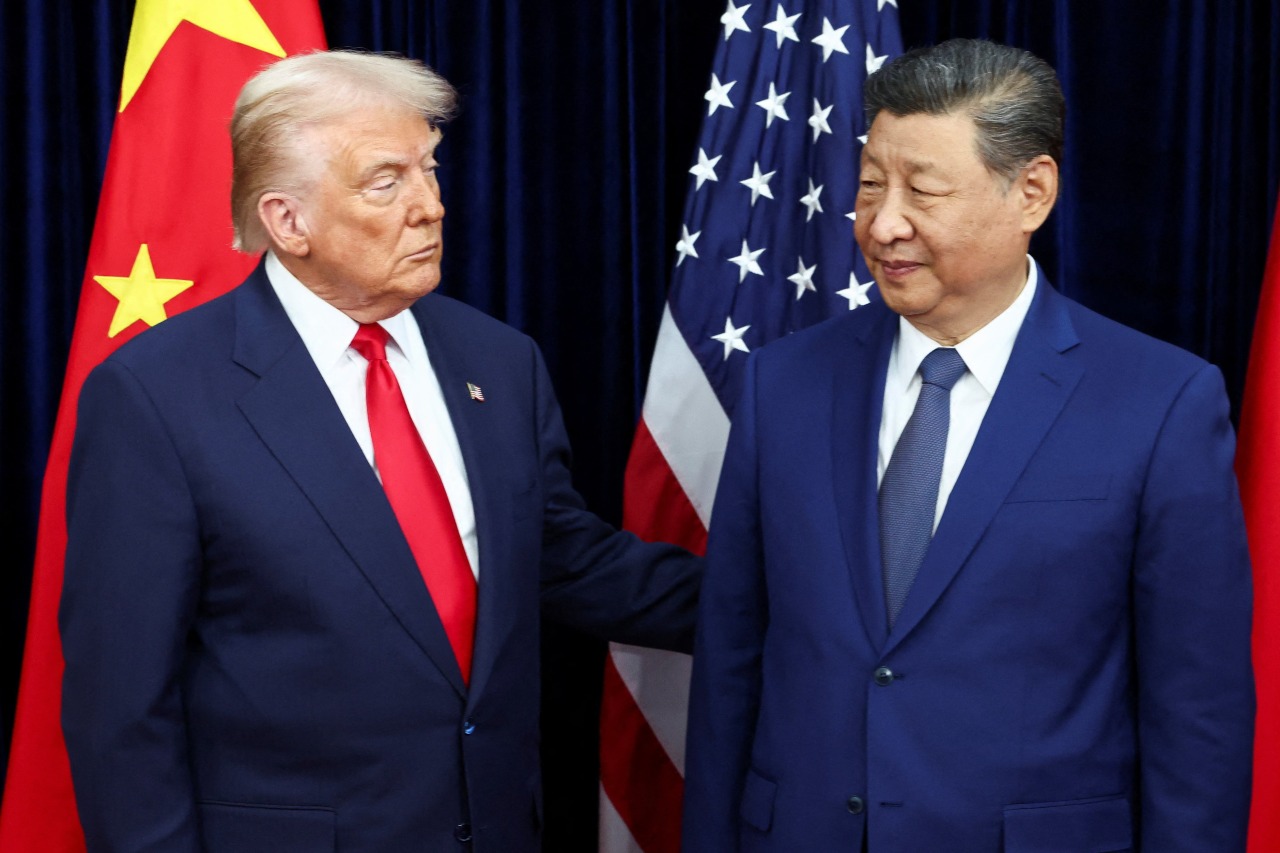
Former U.S. President Donald Trump recently communicated with Chinese leader Xi Jinping and subsequently advised Japan to tone down its rhetoric regarding Taiwan. This message comes as Japan has increasingly angered China with its stance on the Taiwan issue, raising concerns within the Japanese government about the potential repercussions on trade discussions with Beijing.
Japan, a key ally of the United States, has expressed growing apprehension over China’s assertive policies in the Asia-Pacific region, particularly regarding Taiwan. Trump’s remarks are viewed as an attempt to mitigate tensions in order to safeguard ongoing trade negotiations between the U.S. and China, which are crucial for the global economy.
Japan’s Response to Trump’s Message
The Japanese government reacted with caution to Trump’s suggestion. Officials are concerned that any perceived reduction in their stance on Taiwan could undermine their position in future diplomatic engagements with both China and the United States. Japan’s Prime Minister, Fumio Kishida, is navigating a delicate balance, aiming to maintain a strong alliance with the U.S. while managing historical tensions with China.
Trump’s call with Xi, which took place on March 15, 2024, was part of a broader dialogue aimed at addressing trade disputes and regional security issues. The former president emphasized the importance of cooperation between the nations to stabilize economic relations, urging Japan to consider its approach to Taiwan carefully.
Implications for U.S.-China Relations
The conversation between Trump and Xi underscores the intricate web of international relations that define U.S.-China interactions. As both nations continue to grapple with significant trade imbalances, the role of Japan as an intermediary in fostering dialogue becomes increasingly critical. Analysts suggest that Japan’s positioning on Taiwan could influence the trajectory of U.S.-China trade discussions.
Trade between the U.S. and China has been a contentious topic, with tariffs and trade barriers affecting both economies. Maintaining a stable relationship is seen as essential, particularly in light of ongoing global economic challenges. Trump’s intervention may serve as a reminder of the complexities involved in international diplomacy, where military and economic concerns intersect.
As Japan reassesses its diplomatic strategy, the implications of Trump’s advice could resonate beyond immediate trade talks. The region’s security landscape remains volatile, and Japan’s actions concerning Taiwan will likely continue to be scrutinized as they navigate their alliance with the U.S. while managing relations with China.
In this evolving geopolitical climate, the need for clear communication and strategic diplomacy is more crucial than ever. As Trump and Xi engage in discussions, the responses from Japan and other regional actors will play a significant role in shaping the future of U.S.-China relations and the stability of the Asia-Pacific region.

Shark Teeth Research Reveals Urgent Need to Protect Species

Church Members Unite in Resilience After Thanksgiving Fire

Community Unites to Attempt World Record for Largest Cookie Exchange

Mayor Lurie Appoints Alan Wong to District 4 Seat Amid Controversy

Mayor Appoints Alan Wong as New Supervisor for District 4

UK Report Reveals AI’s Role in Evaluating University Research Quality

Gabriela Jaquez Shines as No. 3 UCLA Dominates No. 14 Tennessee

Trump Promises to Release MRI Results Despite Uncertainty on Scan

Japan’s Q3 Capital Expenditure Slows Despite Surge in Profits

University of Hawaiʻi Joins $25.6M AI Initiative to Monitor Disasters

Toledo City League Announces Hall of Fame Inductees for 2024

DOJ Seizes $15 Billion in Bitcoin from Major Crypto Fraud Network

Sharp Launches Five New Aquos QLED 4K Ultra HD Smart TVs

Celtics Coach Joe Mazzulla Dominates Local Media in Scrimmage

Mutual Advisors LLC Increases Stake in SPDR Portfolio ETF

Community Unites for 7th Annual Walk to Raise Mental Health Awareness

Western Executives Confront Harsh Realities of China’s Manufacturing Edge

Major Networks Reject Pentagon’s New Reporting Guidelines
-
Science4 weeks ago
University of Hawaiʻi Joins $25.6M AI Initiative to Monitor Disasters
-
 Lifestyle2 months ago
Toledo City League Announces Hall of Fame Inductees for 2024
-
 Business2 months ago
DOJ Seizes $15 Billion in Bitcoin from Major Crypto Fraud Network
-
 Top Stories2 months ago
Sharp Launches Five New Aquos QLED 4K Ultra HD Smart TVs
-
 Sports2 months ago
Celtics Coach Joe Mazzulla Dominates Local Media in Scrimmage
-
 Politics2 months ago
Mutual Advisors LLC Increases Stake in SPDR Portfolio ETF
-
 Health2 months ago
Community Unites for 7th Annual Walk to Raise Mental Health Awareness
-
 Science2 months ago
Western Executives Confront Harsh Realities of China’s Manufacturing Edge
-
 Politics2 months ago
Major Networks Reject Pentagon’s New Reporting Guidelines
-

 World2 months ago
INK Entertainment Launches Exclusive Sofia Pop-Up at Virgin Hotels
-

 Science1 month ago
Astronomers Discover Twin Cosmic Rings Dwarfing Galaxies
-

 Top Stories1 month ago
Randi Mahomes Launches Game Day Clothing Line with Chiefs