
Health
Over 30 Babies Hospitalized in Botulism Outbreak from Formula

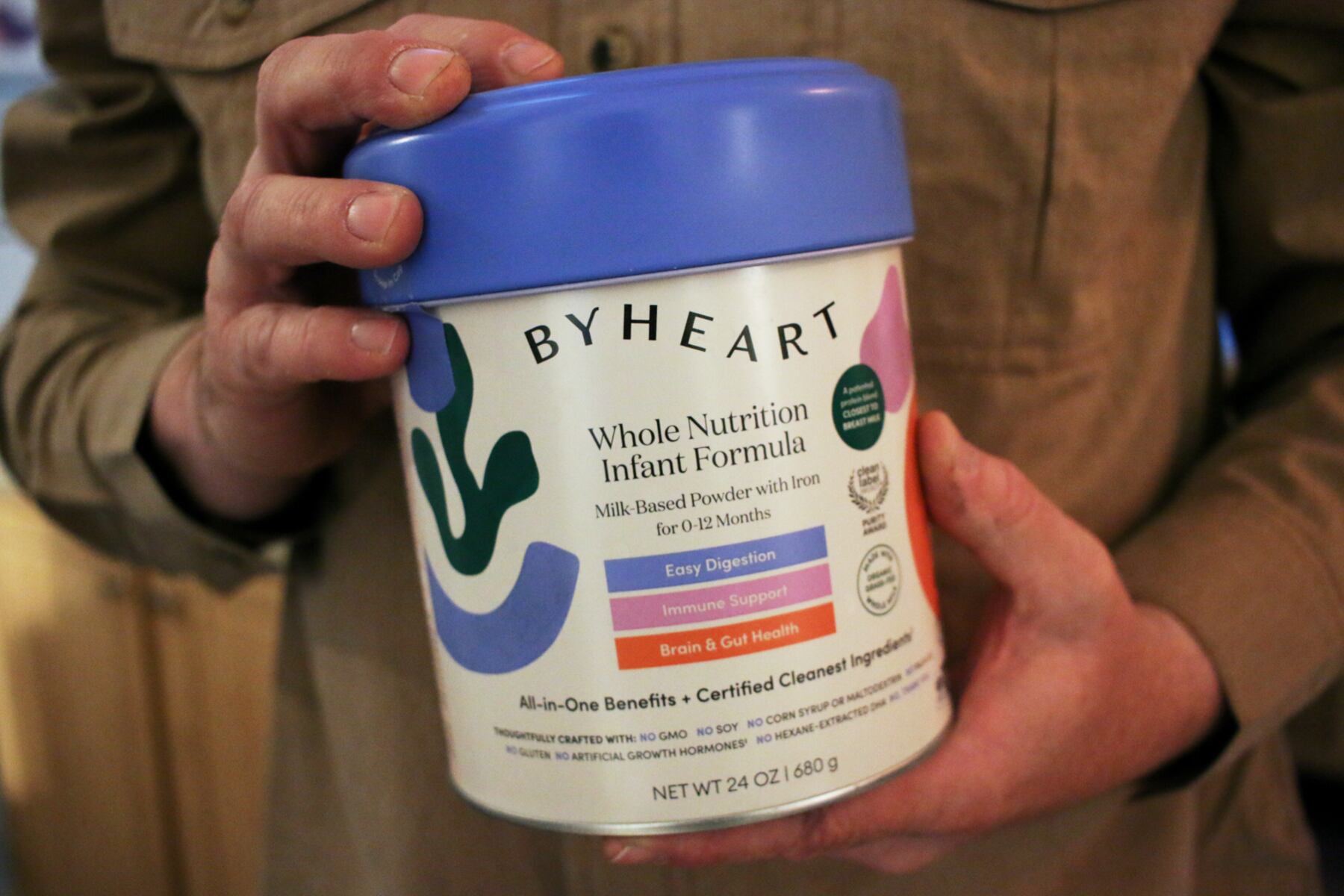
More than three dozen infants have been hospitalized due to an outbreak of infant botulism linked to contaminated formula produced by ByHeart, a manufacturer based in New York. According to the Food and Drug Administration (FDA), as of November 19, 2023, there have been 37 confirmed or suspected cases of illness among babies who consumed the ByHeart formula since August. The outbreak was officially announced on November 8, with all reported cases resulting in hospitalization.
In response to the health crisis, ByHeart initiated a recall of all its products sold in the United States on November 11. The FDA has conducted inspections at ByHeart’s production facilities located in Allerton, Iowa, and Portland, Oregon. The company, which holds about 1% of the U.S. infant formula market, was distributing approximately 200,000 cans of its product each month prior to the recall.
The infants affected by this outbreak range from approximately two weeks to nine months old. Medical experts indicate that symptoms of infant botulism can take up to 30 days to manifest after exposure to contaminated products. Symptoms may include poor feeding, loss of head control, drooping eyelids, and a “floppy” appearance, which can lead to serious conditions such as difficulty swallowing and breathing.
The outbreak has prompted investigations across multiple U.S. states, including Arizona, California, Illinois, Kentucky, Maine, Massachusetts, Michigan, North Carolina, New Jersey, Oregon, Pennsylvania, Rhode Island, Texas, Washington, and Wisconsin. A sample from an open can of ByHeart formula fed to an ill infant tested positive for the bacteria responsible for botulism. The FDA noted that ByHeart formula is disproportionately represented among the infants diagnosed in this outbreak.
Families affected by the health crisis have begun legal action against ByHeart, with lawsuits filed in federal courts citing claims of product defects and negligence. The lawsuits seek compensation for medical bills, emotional distress, and other damages associated with the illnesses.
Typically, fewer than 200 cases of infant botulism are reported in the United States annually. According to the latest data from the Centers for Disease Control and Prevention (CDC), there were 145 cases reported in the entire previous year. Infant botulism is caused by a bacterium that produces a toxin within the large intestine, particularly affecting infants whose gut microbiomes are not sufficiently developed to combat infection. The bacterium can be found in environmental spores and can lead to severe illness, including paralysis.
While this outbreak marks a significant health concern, medical professionals emphasize that the chances of an infant formula shortage are minimal, as ByHeart’s market share is relatively small. This situation contrasts sharply with the infant formula crisis of late 2021 and 2022, during which a different pathogen led to the closure of Abbott Nutrition’s Michigan plant after contamination issues resulted in the recall of several products and a nationwide shortage.
In 2022, ByHeart faced its own challenges, recalling five batches of formula after a sample tested positive for a different pathogen, cronobacter sakazakii. Additionally, the FDA issued a warning letter in 2023 regarding ongoing corrective action requirements at ByHeart facilities. Inspection reports revealed issues such as mold, water leaks, and insect presence, leading to the temporary shutdown of a ByHeart plant in Reading, Pennsylvania.
In light of the recent outbreak, federal health officials are re-evaluating regulations surrounding infant formula. Health Secretary Robert F. Kennedy Jr. has directed the FDA to conduct a comprehensive review of the nutrients and ingredients in infant formula, a process labeled “Operation Stork Speed.” This initiative marks the first extensive examination of infant formula components since 1998. The FDA is currently gathering input from industry stakeholders, health experts, and the public to inform the next steps in ensuring the safety of infant nutrition products.
The Associated Press Health and Science Department receives support from the Howard Hughes Medical Institute’s Department of Science Education and the Robert Wood Johnson Foundation, with all content produced independently by the AP.

Designers Unveil 5 Urgent Tricks to Transform Outdoor Eyesores

Shark Teeth Research Reveals Urgent Need to Protect Species

Church Members Unite in Resilience After Thanksgiving Fire

Community Unites to Attempt World Record for Largest Cookie Exchange

Mayor Lurie Appoints Alan Wong to District 4 Seat Amid Controversy

Mayor Appoints Alan Wong as New Supervisor for District 4

UK Report Reveals AI’s Role in Evaluating University Research Quality

Gabriela Jaquez Shines as No. 3 UCLA Dominates No. 14 Tennessee

Trump Promises to Release MRI Results Despite Uncertainty on Scan

University of Hawaiʻi Joins $25.6M AI Initiative to Monitor Disasters

Toledo City League Announces Hall of Fame Inductees for 2024

DOJ Seizes $15 Billion in Bitcoin from Major Crypto Fraud Network

Sharp Launches Five New Aquos QLED 4K Ultra HD Smart TVs

Celtics Coach Joe Mazzulla Dominates Local Media in Scrimmage

Community Unites for 7th Annual Walk to Raise Mental Health Awareness

Mutual Advisors LLC Increases Stake in SPDR Portfolio ETF

Western Executives Confront Harsh Realities of China’s Manufacturing Edge

INK Entertainment Launches Exclusive Sofia Pop-Up at Virgin Hotels
-
Science4 weeks ago
University of Hawaiʻi Joins $25.6M AI Initiative to Monitor Disasters
-
 Lifestyle2 months ago
Toledo City League Announces Hall of Fame Inductees for 2024
-
 Business2 months ago
DOJ Seizes $15 Billion in Bitcoin from Major Crypto Fraud Network
-
 Top Stories2 months ago
Sharp Launches Five New Aquos QLED 4K Ultra HD Smart TVs
-
 Sports2 months ago
Celtics Coach Joe Mazzulla Dominates Local Media in Scrimmage
-
 Health2 months ago
Community Unites for 7th Annual Walk to Raise Mental Health Awareness
-
 Politics2 months ago
Mutual Advisors LLC Increases Stake in SPDR Portfolio ETF
-
 Science2 months ago
Western Executives Confront Harsh Realities of China’s Manufacturing Edge
-
 World2 months ago
INK Entertainment Launches Exclusive Sofia Pop-Up at Virgin Hotels
-

 Politics2 months ago
Major Networks Reject Pentagon’s New Reporting Guidelines
-

 Science1 month ago
Astronomers Discover Twin Cosmic Rings Dwarfing Galaxies
-

 Top Stories1 month ago
Randi Mahomes Launches Game Day Clothing Line with Chiefs