
Health
South Jersey Hospital-at-Home Programs Resume Amid Uncertain Future

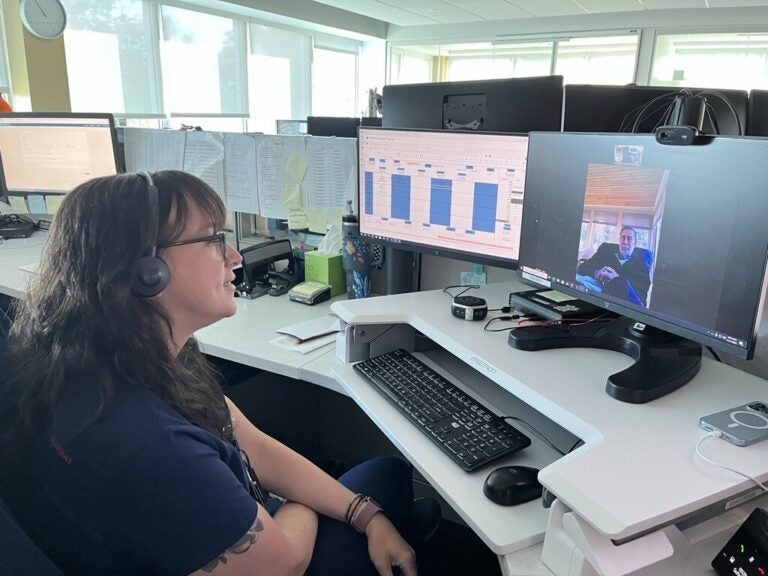
In South Jersey, the hospital-at-home initiative is making a comeback following a recent government shutdown, but its future remains uncertain. Patients at Virtua Health hospitals now have the option to receive acute medical care from home instead of staying in a hospital. This program, known as the Acute Hospital Care at Home, enables medical professionals to monitor patients remotely and provide necessary treatments in their homes.
Dr. Diego Ortega, the clinical lead physician for Virtua’s Hospital at Home program, described the initiative as a way to deliver hospital-level care directly into patients’ living rooms. Through this program, doctors and nurses can perform in-person examinations, blood draws, and administer intravenous medications while patients are monitored 24/7 via connected devices. This innovative approach aims to offer flexibility to both healthcare providers and patients, reducing the burden on hospital facilities.
Government Support and Future Challenges
The Acute Hospital Care at Home program was initially launched in 2020 as a response to the COVID-19 pandemic, allowing hospitals to manage patient loads effectively. According to the Centers for Medicare and Medicaid Services, over 147 health systems are now approved to participate in this initiative, which has shown promising outcomes. Patients receiving care at home have demonstrated lower mortality rates and fewer hospital-acquired infections compared to those treated in traditional settings.
Despite its initial success, the program faces renewed challenges. The recent government shutdown on October 1, 2023, led to a temporary lapse of the program, which is now set to expire on January 30, 2024. Health care providers, including Dr. Rupa Kashyap, chief hospitalist at Virtua Willingboro Hospital, are advocating for Congress to either make the program permanent or extend it for at least five more years. Dr. Kashyap emphasized the potential for this care model to evolve, highlighting its capacity to improve patient outcomes significantly.
Patient Care and Innovative Solutions
Under the hospital-at-home model, eligible patients include those with conditions such as COVID-19, pneumonia, and congestive heart failure. The program has expanded to include patients with private insurance as well, increasing accessibility and interest among families. Dr. Ortega noted that receiving care at home eliminates many barriers, including transportation issues, and allows healthcare providers to better understand patients’ daily lives.
Patients enrolled in the program benefit from continuous monitoring and at least two daily visits from registered nurses who perform essential medical tasks. These regular interactions, combined with remote consultations, allow for comprehensive care tailored to individual needs. A federal report published in 2024 underscores the effectiveness of the program, stating that patients treated at home experienced fewer complications and improved recovery rates.
As winter approaches, hospitals typically see a surge in respiratory illnesses, further complicating the situation. Dr. Kashyap warned that if the program is not extended, health systems may face increased pressures to readmit patients who could otherwise be treated at home. The timing is critical as healthcare facilities prepare for the influx of patients associated with seasonal illnesses.
The future of the hospital-at-home initiative in South Jersey hangs in the balance, with healthcare advocates urging for continued support from lawmakers. As the program resumes patient enrollment, its long-term viability will depend on congressional action to secure funding and broaden access to this transformative model of care.

Japan’s PM Takaichi Confirms Continued Fiscal Management Strategy

Bitcoin Plummets Below $88K Amid Tether Concerns and Warnings

Designers Unveil 5 Urgent Tricks to Transform Outdoor Eyesores

Shark Teeth Research Reveals Urgent Need to Protect Species

Church Members Unite in Resilience After Thanksgiving Fire

Community Unites to Attempt World Record for Largest Cookie Exchange

Mayor Lurie Appoints Alan Wong to District 4 Seat Amid Controversy

Mayor Appoints Alan Wong as New Supervisor for District 4

UK Report Reveals AI’s Role in Evaluating University Research Quality

University of Hawaiʻi Joins $25.6M AI Initiative to Monitor Disasters

Toledo City League Announces Hall of Fame Inductees for 2024

DOJ Seizes $15 Billion in Bitcoin from Major Crypto Fraud Network

Sharp Launches Five New Aquos QLED 4K Ultra HD Smart TVs

Celtics Coach Joe Mazzulla Dominates Local Media in Scrimmage

Mutual Advisors LLC Increases Stake in SPDR Portfolio ETF

Community Unites for 7th Annual Walk to Raise Mental Health Awareness

Western Executives Confront Harsh Realities of China’s Manufacturing Edge

INK Entertainment Launches Exclusive Sofia Pop-Up at Virgin Hotels
-
Science4 weeks ago
University of Hawaiʻi Joins $25.6M AI Initiative to Monitor Disasters
-
 Lifestyle2 months ago
Toledo City League Announces Hall of Fame Inductees for 2024
-
 Business2 months ago
DOJ Seizes $15 Billion in Bitcoin from Major Crypto Fraud Network
-
 Top Stories2 months ago
Sharp Launches Five New Aquos QLED 4K Ultra HD Smart TVs
-
 Sports2 months ago
Celtics Coach Joe Mazzulla Dominates Local Media in Scrimmage
-
 Politics2 months ago
Mutual Advisors LLC Increases Stake in SPDR Portfolio ETF
-
 Health2 months ago
Community Unites for 7th Annual Walk to Raise Mental Health Awareness
-
 Science2 months ago
Western Executives Confront Harsh Realities of China’s Manufacturing Edge
-
 World2 months ago
INK Entertainment Launches Exclusive Sofia Pop-Up at Virgin Hotels
-

 Politics2 months ago
Major Networks Reject Pentagon’s New Reporting Guidelines
-

 Science1 month ago
Astronomers Discover Twin Cosmic Rings Dwarfing Galaxies
-

 Top Stories1 month ago
Randi Mahomes Launches Game Day Clothing Line with Chiefs