
Science
Conservationists Push for Stricter Rules on Exotic Pet Trade

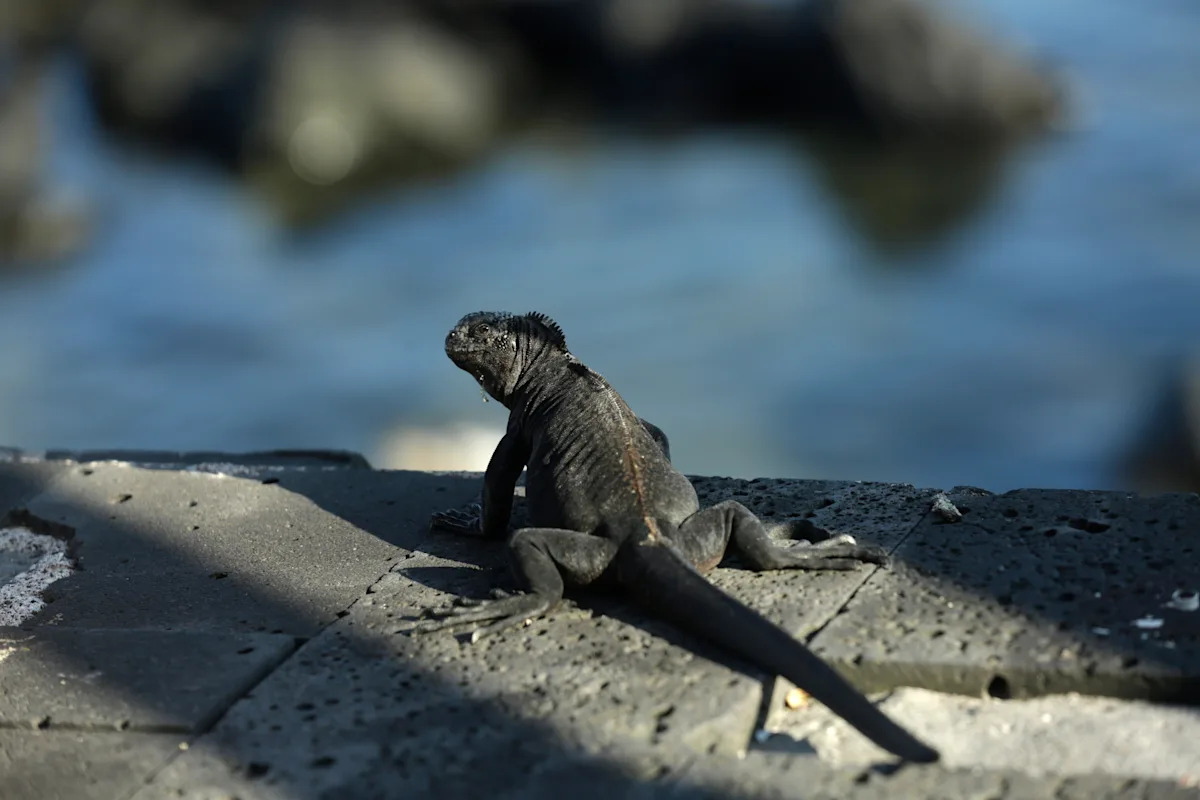
Conservationists are advocating for more stringent regulations on the exotic pet trade as it expands globally, particularly through online platforms. The discussion is taking place during the two-week Convention on International Trade in Endangered Species of Wild Fauna and Flora (CITES), which is currently ongoing in Samarkand, Uzbekistan, and will conclude on October 27, 2023. Proposals aimed at protecting various species, including iguanas from the Galapagos Islands and several types of tarantulas, are set to be evaluated.
As the demand for exotic pets grows, so does the risk to wildlife populations. According to Susan Lieberman, vice president for international policy at the Wildlife Conservation Society, the pet trade is increasingly focusing on reptiles and amphibians. “People want rare species and they don’t have to go into a pet shop,” Lieberman stated. “They go online, and there are thousands of animals, including endangered species, illegally obtained species, all available on the internet.”
The Rise of Online Marketplaces
Online marketplaces have revolutionized the way animals are traded, shifting from primarily dealing in animal parts such as elephant ivory to live animals for the pet trade. Matt Collis, senior director of international policy at the International Fund for Animal Welfare (IFAW), emphasized the dangers posed by this shift. “The dramatic growth in online marketplaces has put consumers directly in touch with wildlife traders and criminals around the world,” Collis said. He noted that in a world where any product can be purchased with a click, wildlife is increasingly at risk.
Social media has also played a significant role in promoting exotic pets, making them more desirable among influencers and followers alike. The increase in illegal trade has been particularly alarming in Latin America, where an IFAW report revealed over 100,000 animals were seized or poached between 2017 and 2022. Seizures have escalated each year, with reptiles making up about 60% of the live animals traded.
Concerns Over Specific Species
Among the species proposed for increased protection at the CITES conference is the Home’s Hinged-back Tortoise, a critically endangered turtle native to West Africa. The proposed regulations also include two viper species from Ethiopia, several rattlesnake species from Mexico, and the leaf-tailed gecko from Australia. Additionally, two species of sloths from South America are becoming popular in sloth-themed cafes in Asia, prompting calls for tighter trade controls.
Ecuador has put forth a proposal to ban the trade of marine and land iguanas from the Galapagos, which are classified as critically endangered or vulnerable by the International Union for Conservation of Nature. The Ecuadorian government has expressed concerns regarding illegal capture and transportation of young iguanas to evade authorities. Many of these iguanas are sold for as much as $25,000 on the black market, primarily targeting collectors in Japan and other Asian countries.
Support and Opposition to New Regulations
The United States has voiced support for several proposals aimed at protecting the iguana, sloth, viper, tortoise, and gecko species. However, it opposes the listing of rattlesnake species, indicating a divide among nations regarding the best approach to wildlife trade regulations.
Collis pointed out that while CITES aims to protect endangered species, the system is often abused. “Countries issue permits without verifying animal origins, which helps traffickers launder animals from illegal sources,” he explained. Such loopholes undermine the framework meant to safeguard these species.
The ongoing discussions at CITES also highlight the complexities surrounding captive breeding of exotic species. Lieberman noted that the treaty’s original intent in the 1970s was to alleviate pressure on wild populations through captive breeding. However, this approach has inadvertently created a market that allows for cheaper wild-caught specimens and facilitates the laundering of illegally obtained animals.
Pet Traders Express Concerns
In response to the proposed regulations, the United States Association of Reptile Keepers has expressed opposition, particularly regarding the tarantula listing. The association argues that grouping several species into a single proposal undermines the complexity of the issue. “Most species have limited trade in captive bred specimens which is not a threat to wild populations,” stated David Garcia, the organization’s legal counsel.
A report from the Center for Biological Diversity reveals that the United States is one of the largest markets for the pet trade, importing an average of 90 million live animals annually. The report emphasizes that wildlife exploitation is a significant factor in the global extinction crisis, with one million species at risk of extinction in the coming decades without immediate action.
As the CITES conference progresses, the outcomes of the proposed regulations could play a crucial role in shaping the future of the exotic pet trade. Addressing the complexities and challenges of wildlife trade is imperative to ensure the protection of vulnerable species worldwide.

UK House Prices Surge 0.3% in November Amid Market Resilience

Jamal Murray Sprains Ankle, Nuggets Face Major Setback

Malaysian Election Shock: Sabah Parties Surge, Anwar Faces Crisis

Conservationists Push for Stricter Rules on Exotic Pet Trade

Vanderbilt Football Triumphs Over Tennessee, Named Team of the Week

Plus-Size Passengers Face Extra Costs Under Southwest Airlines Policy

Discover What $350,000 Purchases in Ocean County Real Estate

Jafar Panahi Triumphs at 2025 Gotham Awards with Triple Win

Strengthen Your Body with This 20-Minute Low-Impact Workout

University of Hawaiʻi Joins $25.6M AI Initiative to Monitor Disasters

Toledo City League Announces Hall of Fame Inductees for 2024

DOJ Seizes $15 Billion in Bitcoin from Major Crypto Fraud Network

Sharp Launches Five New Aquos QLED 4K Ultra HD Smart TVs

Celtics Coach Joe Mazzulla Dominates Local Media in Scrimmage

Community Unites for 7th Annual Walk to Raise Mental Health Awareness

Mutual Advisors LLC Increases Stake in SPDR Portfolio ETF

Western Executives Confront Harsh Realities of China’s Manufacturing Edge

INK Entertainment Launches Exclusive Sofia Pop-Up at Virgin Hotels
-
Science4 weeks ago
University of Hawaiʻi Joins $25.6M AI Initiative to Monitor Disasters
-
 Lifestyle2 months ago
Toledo City League Announces Hall of Fame Inductees for 2024
-
 Business2 months ago
DOJ Seizes $15 Billion in Bitcoin from Major Crypto Fraud Network
-
 Top Stories2 months ago
Sharp Launches Five New Aquos QLED 4K Ultra HD Smart TVs
-
 Sports2 months ago
Celtics Coach Joe Mazzulla Dominates Local Media in Scrimmage
-
 Health2 months ago
Community Unites for 7th Annual Walk to Raise Mental Health Awareness
-
 Politics2 months ago
Mutual Advisors LLC Increases Stake in SPDR Portfolio ETF
-
 Science2 months ago
Western Executives Confront Harsh Realities of China’s Manufacturing Edge
-
 World2 months ago
INK Entertainment Launches Exclusive Sofia Pop-Up at Virgin Hotels
-

 Politics2 months ago
Major Networks Reject Pentagon’s New Reporting Guidelines
-

 Science1 month ago
Astronomers Discover Twin Cosmic Rings Dwarfing Galaxies
-

 Top Stories1 month ago
Randi Mahomes Launches Game Day Clothing Line with Chiefs