
Politics
Trump Administration’s Act Aims to Safeguard Medicaid for Rural Care

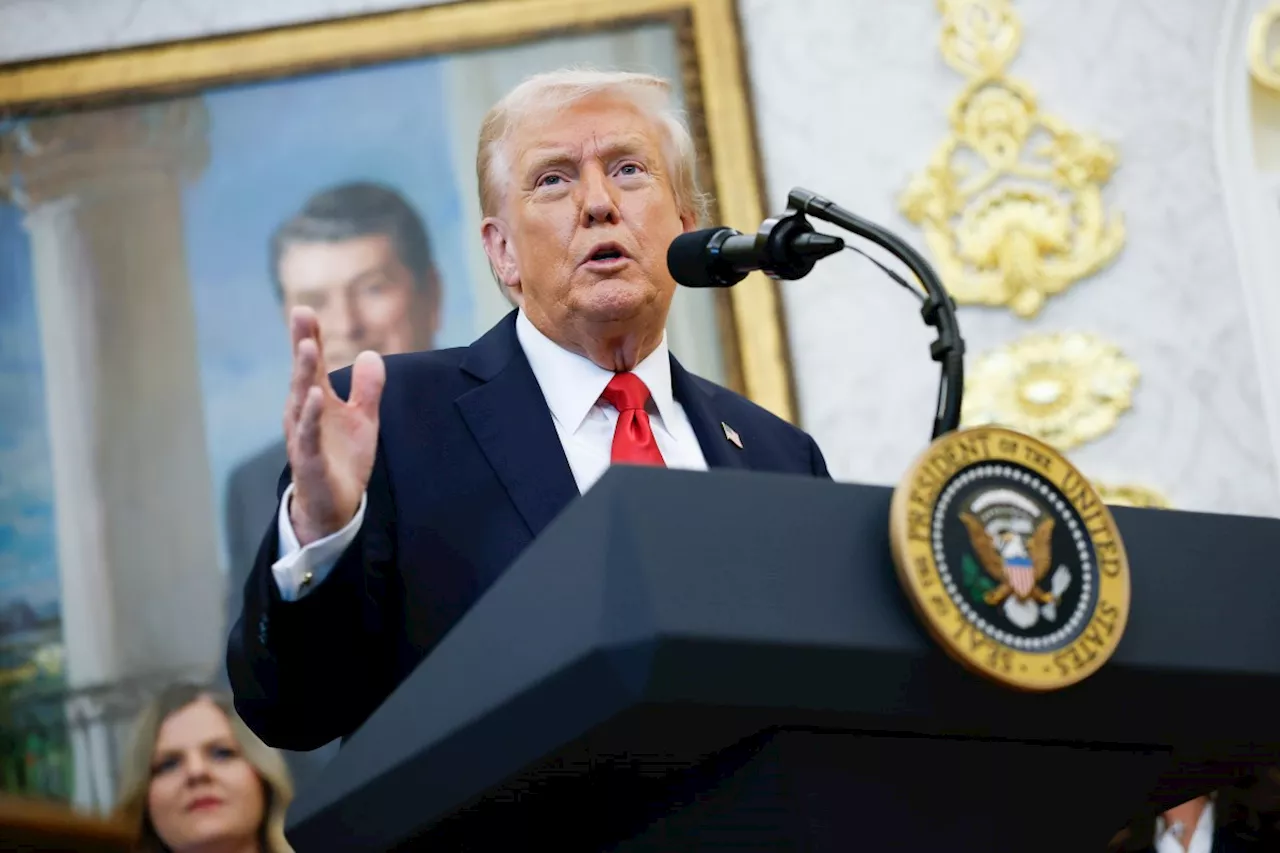
The Trump administration has enacted the Working Families Tax Cut Act, aiming to safeguard Medicaid services for the most vulnerable populations, particularly in rural and underserved areas. This legislation counteracts regulatory changes proposed by the Biden administration that critics argue would have jeopardized the viability of numerous nursing homes across the United States.
In 2024, the Biden administration introduced a rule mandating minimum staffing levels for long-term care facilities. This rule was criticized for imposing strict, uniform standards that did not account for the diverse needs and resources of local communities. According to the American Health Care Association, it was projected that nursing homes would need to hire approximately 102,154 additional full-time employees, including 80,077 nurse aides and 22,077 registered nurses, to comply with the new requirements.
Reports indicated that four out of five nursing homes would struggle to meet these staffing standards, potentially leading to closures that would diminish access to care for Medicaid patients. The Centers for Medicare & Medicaid Services (CMS) estimated that the associated costs could reach between $7 billion and $10 billion annually, placing further financial strain on facilities already operating on narrow margins.
The Biden mandate faced bipartisan opposition, with a group of senators from different parties introducing legislation in December 2023 to halt its implementation. Although this effort ultimately failed, it highlighted a widespread desire for regulatory reform.
On October 16, 2025, during a press briefing, President Donald Trump emphasized the importance of community empowerment in health care decisions, stating that local input is crucial for effective care delivery. He argued that the Biden administration’s approach undermined local knowledge, leading to decisions that could adversely affect care quality.
Under the authority of Health and Human Services Secretary Robert F. Kennedy Jr. and CMS Administrator Mehmet Oz, the Working Families Tax Cut Act has suspended the enforcement of the contentious staffing mandate. This move allows long-term care facilities to operate under existing state and federal quality standards that reflect the realities of their specific communities.
By prioritizing local governance over federal mandates, the Trump administration aims to protect essential health care services for populations in need, particularly in rural regions where staffing challenges are pronounced. The administration contends that this legislative action is a necessary step to ensure that nursing homes can remain operational and effectively serve their communities.
While the future of Medicaid and its associated regulations continues to evolve, the Working Families Tax Cut Act represents a significant shift in approach, with implications for the delivery of health care services across the nation. The ongoing debate surrounding these policies reflects broader discussions about the balance between federal oversight and local autonomy in health care.

Mint Mobile Offers Unbelievable Pixel 10 Pro XL Deal – Only $499!

Urgent Discovery: Radiation-Eating Mold Thrives in Chernobyl

New LEGO Set Brings Vecna’s Creel House to Life for Fans

Dave Coulier Faces New Battle with Tongue Cancer After Lymphoma

Trump Administration’s Act Aims to Safeguard Medicaid for Rural Care

Researchers Develop Innovative Bacterial Cocktails to Combat Cancer

Winnipeg Jets Struggle: Player Report Cards After 25 Games

Urgent Tax Shift: Boomers Hold Homes, Impacting Housing Market

Lil Uzi Vert Drops Colorful ‘Regular’ Video, Sparks Excitement

University of Hawaiʻi Joins $25.6M AI Initiative to Monitor Disasters

Toledo City League Announces Hall of Fame Inductees for 2024

DOJ Seizes $15 Billion in Bitcoin from Major Crypto Fraud Network

Sharp Launches Five New Aquos QLED 4K Ultra HD Smart TVs

Celtics Coach Joe Mazzulla Dominates Local Media in Scrimmage

Mutual Advisors LLC Increases Stake in SPDR Portfolio ETF

Community Unites for 7th Annual Walk to Raise Mental Health Awareness

Western Executives Confront Harsh Realities of China’s Manufacturing Edge

INK Entertainment Launches Exclusive Sofia Pop-Up at Virgin Hotels
-
Science4 weeks ago
University of Hawaiʻi Joins $25.6M AI Initiative to Monitor Disasters
-
 Lifestyle2 months ago
Toledo City League Announces Hall of Fame Inductees for 2024
-
 Business2 months ago
DOJ Seizes $15 Billion in Bitcoin from Major Crypto Fraud Network
-
 Top Stories2 months ago
Sharp Launches Five New Aquos QLED 4K Ultra HD Smart TVs
-
 Sports2 months ago
Celtics Coach Joe Mazzulla Dominates Local Media in Scrimmage
-
 Politics2 months ago
Mutual Advisors LLC Increases Stake in SPDR Portfolio ETF
-
 Health2 months ago
Community Unites for 7th Annual Walk to Raise Mental Health Awareness
-
 Science2 months ago
Western Executives Confront Harsh Realities of China’s Manufacturing Edge
-
 World2 months ago
INK Entertainment Launches Exclusive Sofia Pop-Up at Virgin Hotels
-

 Politics2 months ago
Major Networks Reject Pentagon’s New Reporting Guidelines
-

 Science2 months ago
Astronomers Discover Twin Cosmic Rings Dwarfing Galaxies
-

 Top Stories1 month ago
Randi Mahomes Launches Game Day Clothing Line with Chiefs