
Top Stories
Urgent Discovery: Radiation-Eating Mold Thrives in Chernobyl

BREAKING: A newly discovered life form, a mold known as Cladosporium sphaerospermum, is thriving in the toxic wasteland of Chernobyl, defying all odds by seemingly feeding on radiation. Nearly 40 years after the catastrophic explosion at the Chernobyl Nuclear Power Plant, scientists have confirmed this remarkable finding, raising questions about life’s resilience in extreme environments.
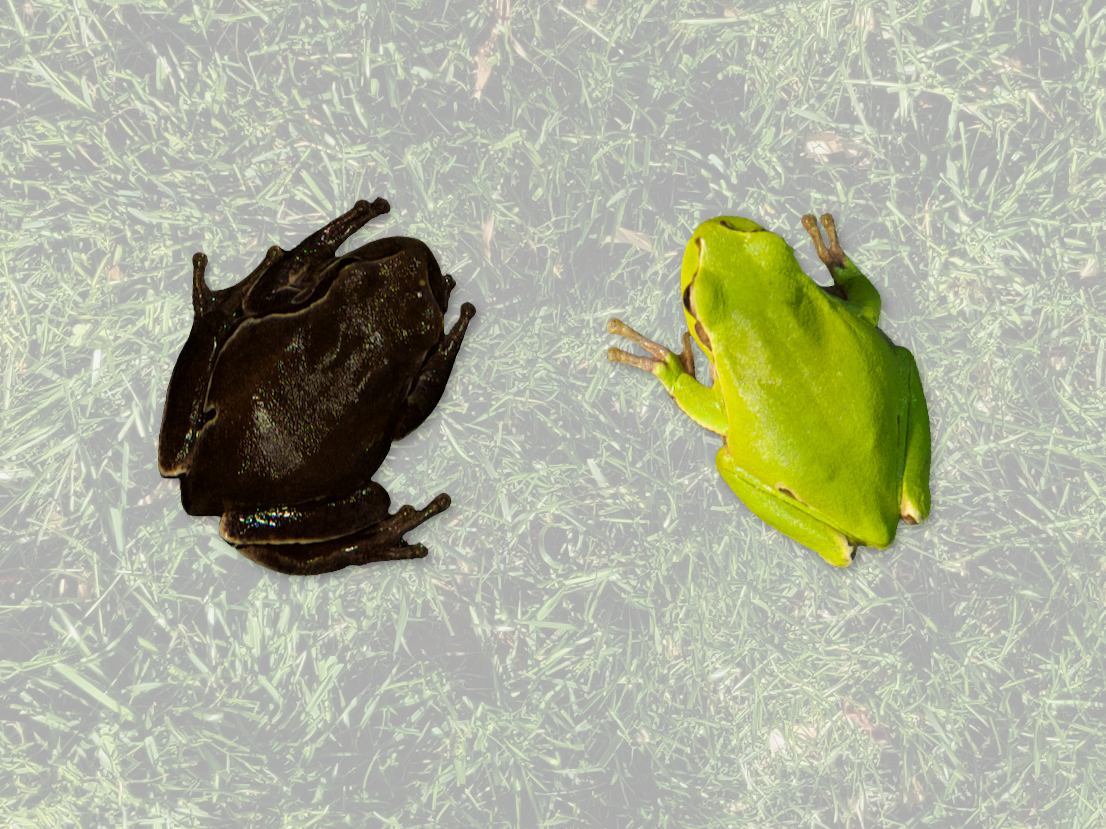
This resilient mold was first identified by a research team from the Ukrainian National Academy of Sciences led by Nelli Zhdanova during a field survey in the late 1990s. The team discovered that not only this species but also 37 different species of fungi were flourishing in the exclusion zone, all exhibiting dark pigmentation. Researchers speculate that the pigment, melanin, may enable the mold to harness ionizing radiation for energy, a process termed radiosynthesis.
UPDATE: In an astonishing twist, in December 2018, this unique mold was sent to the International Space Station for further study. Initial results indicate that it grew even more robustly in space, suggesting it could potentially protect astronauts from harmful cosmic rays. This groundbreaking research could redefine our understanding of life and survival in space.
The implications of this discovery extend beyond the mold itself. Wild wolves in the Chernobyl area have also displayed unexpected resilience, exhibiting genetic adaptations that enhance their resistance to cancer after years of radiation exposure. Researchers are now investigating if the descendants of pets left behind by Chernobyl residents share similar cancer-resistant traits.
This latest development not only highlights the survival capabilities of life in extreme conditions but also opens up new avenues for scientific exploration. If the radiosynthesis theory is validated, it could revolutionize how we approach life in space, allowing astronauts to utilize this mold as a shield against cosmic radiation.
Scientists are calling for further studies to understand the full potential of Cladosporium sphaerospermum and its applications in potential space missions. As research continues, this remarkable mold stands as a testament to nature’s ability to adapt and thrive even in the most hostile environments.
Stay tuned for more updates on this fascinating discovery and its implications for the future of space travel and our understanding of life on Earth.

Former Candidate Adem Bunkeddeko Launches 2026 Comptroller Bid

Mint Mobile Offers Unbelievable Pixel 10 Pro XL Deal – Only $499!

Urgent Discovery: Radiation-Eating Mold Thrives in Chernobyl

New LEGO Set Brings Vecna’s Creel House to Life for Fans

Dave Coulier Faces New Battle with Tongue Cancer After Lymphoma

Trump Administration’s Act Aims to Safeguard Medicaid for Rural Care

Researchers Develop Innovative Bacterial Cocktails to Combat Cancer

Winnipeg Jets Struggle: Player Report Cards After 25 Games

Urgent Tax Shift: Boomers Hold Homes, Impacting Housing Market

University of Hawaiʻi Joins $25.6M AI Initiative to Monitor Disasters

Toledo City League Announces Hall of Fame Inductees for 2024

DOJ Seizes $15 Billion in Bitcoin from Major Crypto Fraud Network

Sharp Launches Five New Aquos QLED 4K Ultra HD Smart TVs

Celtics Coach Joe Mazzulla Dominates Local Media in Scrimmage

Community Unites for 7th Annual Walk to Raise Mental Health Awareness

Mutual Advisors LLC Increases Stake in SPDR Portfolio ETF

Western Executives Confront Harsh Realities of China’s Manufacturing Edge

INK Entertainment Launches Exclusive Sofia Pop-Up at Virgin Hotels
-
Science4 weeks ago
University of Hawaiʻi Joins $25.6M AI Initiative to Monitor Disasters
-
 Lifestyle2 months ago
Toledo City League Announces Hall of Fame Inductees for 2024
-
 Business2 months ago
DOJ Seizes $15 Billion in Bitcoin from Major Crypto Fraud Network
-
 Top Stories2 months ago
Sharp Launches Five New Aquos QLED 4K Ultra HD Smart TVs
-
 Sports2 months ago
Celtics Coach Joe Mazzulla Dominates Local Media in Scrimmage
-
 Health2 months ago
Community Unites for 7th Annual Walk to Raise Mental Health Awareness
-
 Politics2 months ago
Mutual Advisors LLC Increases Stake in SPDR Portfolio ETF
-
 Science2 months ago
Western Executives Confront Harsh Realities of China’s Manufacturing Edge
-
 World2 months ago
INK Entertainment Launches Exclusive Sofia Pop-Up at Virgin Hotels
-

 Politics2 months ago
Major Networks Reject Pentagon’s New Reporting Guidelines
-

 Science2 months ago
Astronomers Discover Twin Cosmic Rings Dwarfing Galaxies
-

 Top Stories1 month ago
Randi Mahomes Launches Game Day Clothing Line with Chiefs