
World
San Francisco Airport Set to Welcome 16 Airlines to Europe in 2026

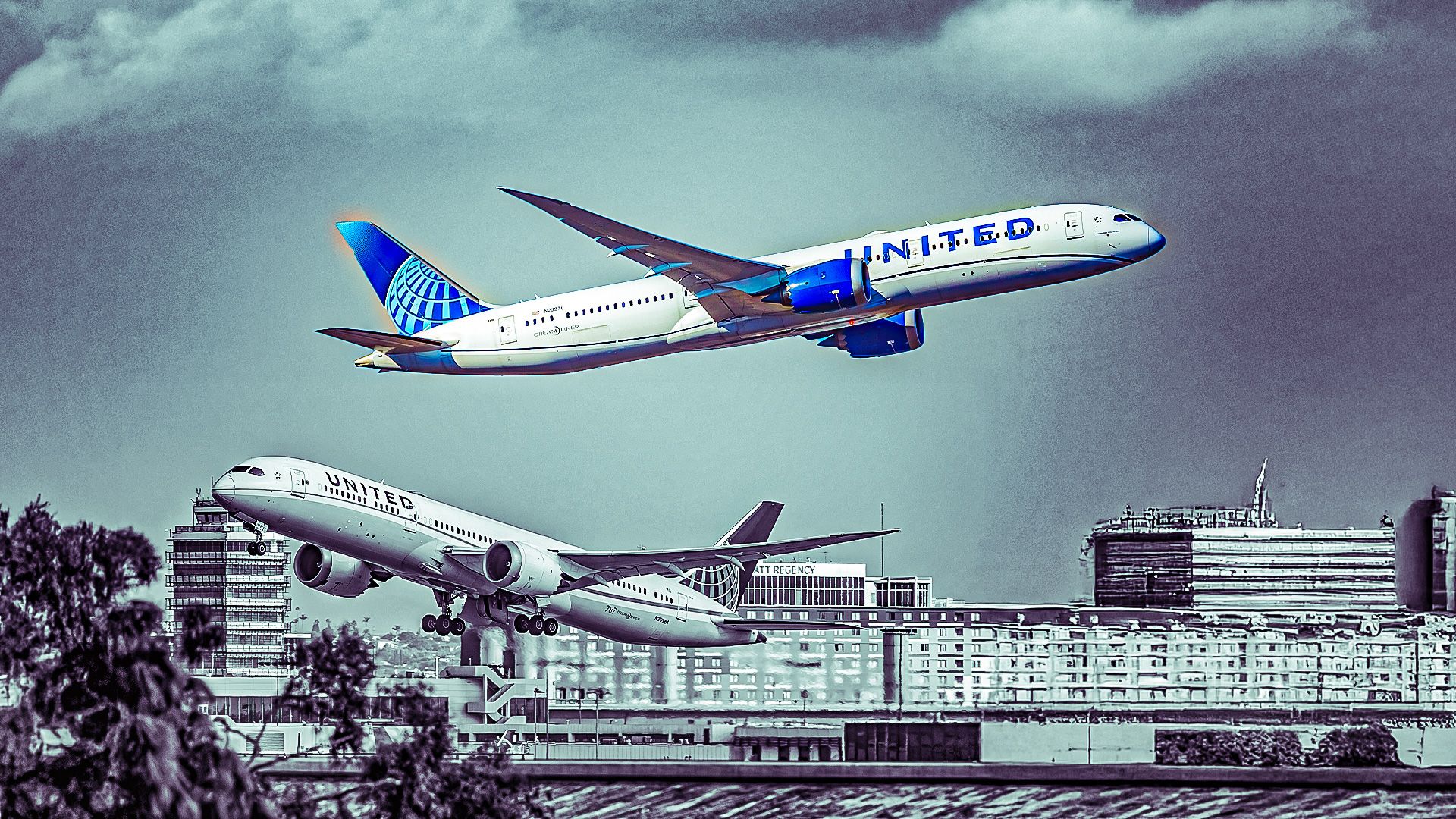
San Francisco International Airport (SFO) is poised to enhance its intercontinental offerings significantly in 2026, with a total of 16 airlines slated to operate nonstop flights to Europe. The airport serves as a vital hub on the West Coast of the United States, catering to both leisure and business travelers while facilitating connections to numerous domestic destinations.
According to data from Cirium, an aviation analytics firm, SFO will see an impressive **8,682 scheduled departures** to Europe, providing over **2.65 million seats** throughout the year. This surge in European routes underscores San Francisco’s importance as a gateway for transpacific travel and long-haul flights across the Atlantic.
United Airlines Dominates European Route Market
United Airlines emerges as the leading operator from San Francisco, accounting for **3,106 flights** and **850,948 seats**, which translates to **35.8%** of the market share and **32%** of seat capacity. The airline offers year-round services to major destinations such as Frankfurt (FRA), London Heathrow (LHR), Munich (MUC), and Paris Charles de Gaulle (CDG), while seasonal routes reach Amsterdam (AMS), Barcelona (BCN), Rome (FCO), and Zürich (ZRH). The airline predominantly utilizes widebody aircraft from the Boeing 777 and 787 families for these routes.
United Airlines CEO Scott Kirby highlighted the airline’s growth in the region, stating, “We’re winning more Bay Area customers because of our investments in the product, the experience, and the places we fly. Our growth is a direct result of United’s ambitious network strategy.”
European Carriers Join the Competition
Several European airlines are also expanding their presence at SFO, with five carriers expected to operate more than one departure daily. British Airways and Lufthansa lead this group, each planning **722 departures**. Lufthansa edges ahead in terms of seat capacity with **266,137 seats** compared to British Airways’ **261,863 seats**. British Airways utilizes the Boeing 777 and Airbus A380 for flights to London, while Lufthansa operates the Boeing 747-400 and 747-8 to Frankfurt, as well as the Airbus A350-900 and A380 to Munich.
Turkish Airlines is set to conduct **564 departures** to its hub in Istanbul (IST), employing the Airbus A350-900. The airline’s monthly flights will peak during the summer, with **53 departures** scheduled in July and August.
Virgin Atlantic and Air France round out the major players, with **552** and **541 departures** respectively. Virgin Atlantic primarily serves London Heathrow using the Airbus A350-1000 and Boeing 787-9, while Air France utilizes a mix of Airbus A350-900, Boeing 777-200ER, and 777-300ER for flights to Paris.
Beyond these major carriers, other airlines such as KLM, Aer Lingus, and SWISS will maintain a presence with less-than-daily flights. KLM leads this group with **356 departures** to Amsterdam, followed closely by Aer Lingus and SWISS, each planning **351 flights** to Dublin and Zürich, respectively.
ITA Airways is also making its mark with **231 departures** to Rome, while TAP Air Portugal will offer **227 flights** to Lisbon and Terceira. Additionally, French bee plans **186 departures** to Paris Orly, while Iberia will operate **184 flights** to Madrid and Barcelona, and Condor has **157** scheduled flights to Frankfurt. Notably, LOT Polish Airlines, the newest European carrier at SFO, will launch **98 flights** to Warsaw between May and October.
The strategic expansion of nonstop routes from San Francisco to Europe reflects the growing demand for international travel and the ongoing recovery of the aviation industry. With 16 airlines poised to service these routes, travelers can expect increased connectivity and options for travel between the US and Europe in the upcoming year.

Salesforce CEO Calls AI-Related Suicides ‘Darkest Aspect’ of Tech

Navigating Family Dynamics: Finding Your Voice Amid Exclusion

Tensions Rise as Denmark and U.S. Discuss Greenland’s Future

New Study Redefines Dark Matter: From Cold to Hot Origins

Penguins Secure Victory, Reclaim First Place in Atlantic Division

Investigators Identify Faulty Part in UPS MD-11 Crash

Elon Musk Denies Grok AI Generated Explicit Images of Minors

Willow Smith Stuns in Daring Swimwear Look, Fans React Now!

South Korea Unveils Ramen Experiences for Tourists at Airports

University of Hawaiʻi Joins $25.6M AI Initiative to Monitor Disasters

Interstellar Object 3I/ATLAS Emits Unprecedented Metal Alloy

Toledo City League Announces Hall of Fame Inductees for 2024

DOJ Seizes $15 Billion in Bitcoin from Major Crypto Fraud Network

Western Executives Confront Harsh Realities of China’s Manufacturing Edge

Sharp Launches Five New Aquos QLED 4K Ultra HD Smart TVs

Mutual Advisors LLC Increases Stake in SPDR Portfolio ETF

Celtics Coach Joe Mazzulla Dominates Local Media in Scrimmage

Community Unites for 7th Annual Walk to Raise Mental Health Awareness
-
Science2 months ago
University of Hawaiʻi Joins $25.6M AI Initiative to Monitor Disasters
-
 Science3 months ago
Interstellar Object 3I/ATLAS Emits Unprecedented Metal Alloy
-
 Lifestyle3 months ago
Toledo City League Announces Hall of Fame Inductees for 2024
-
 Business3 months ago
DOJ Seizes $15 Billion in Bitcoin from Major Crypto Fraud Network
-
 Science3 months ago
Western Executives Confront Harsh Realities of China’s Manufacturing Edge
-
 Top Stories3 months ago
Sharp Launches Five New Aquos QLED 4K Ultra HD Smart TVs
-
 Politics3 months ago
Mutual Advisors LLC Increases Stake in SPDR Portfolio ETF
-
 Sports3 months ago
Celtics Coach Joe Mazzulla Dominates Local Media in Scrimmage
-
 Health3 months ago
Community Unites for 7th Annual Walk to Raise Mental Health Awareness
-

 Politics3 months ago
Major Networks Reject Pentagon’s New Reporting Guidelines
-

 World3 months ago
INK Entertainment Launches Exclusive Sofia Pop-Up at Virgin Hotels
-

 Top Stories3 months ago
Microsoft Releases Urgent Windows 11 25H2 Update for All Users