
Politics
Lawmakers Propose Reversing RIFs Amid Shutdown Negotiations

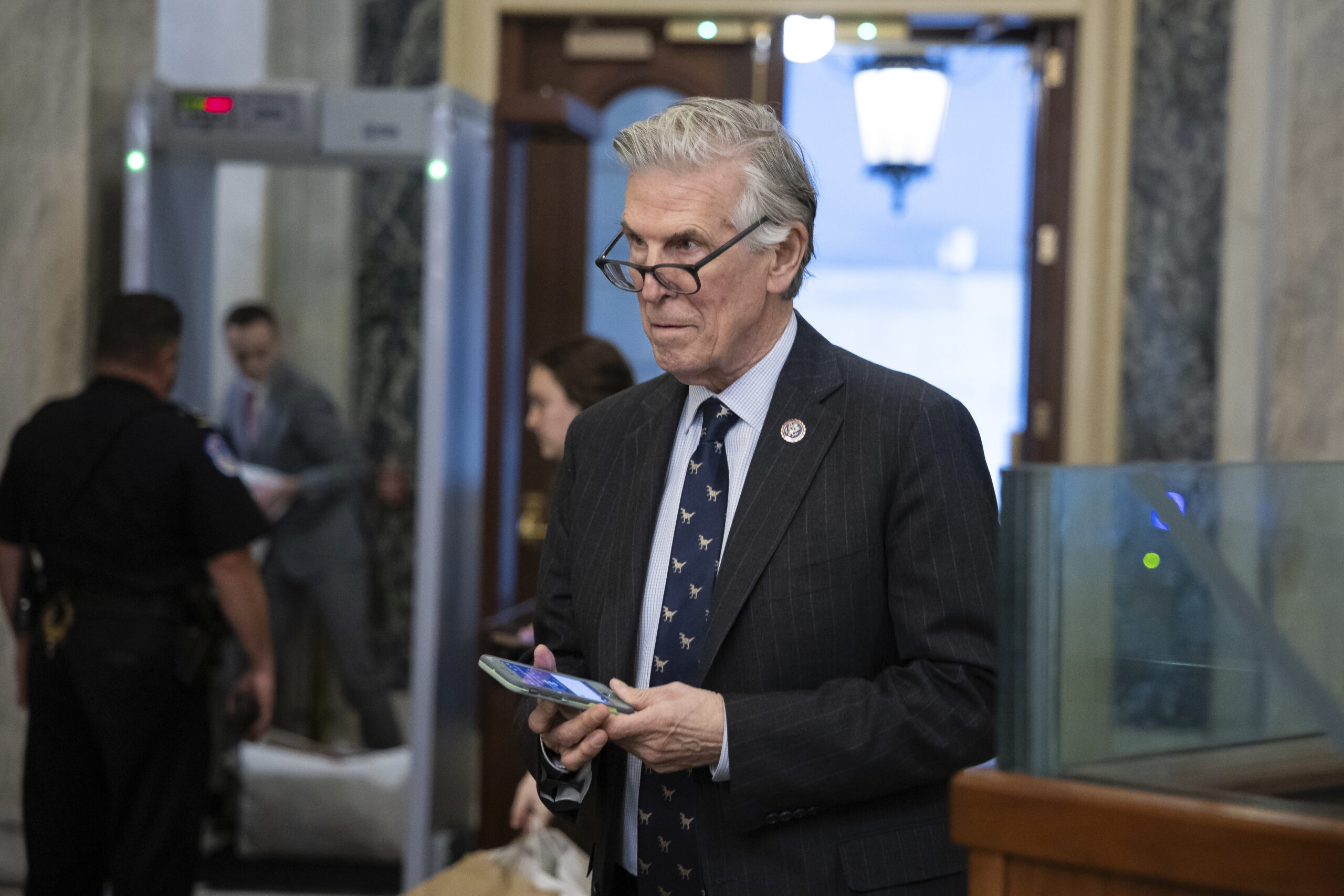
As negotiations intensify in the U.S. Congress regarding a potential government shutdown, some lawmakers are advocating for the reversal of proposed reductions in force (RIFs). This push comes amidst ongoing court interventions that aim to protect workers during a standoff that could significantly impact federal employment.
Democratic legislators are voicing concerns that any agreement to end the shutdown must prioritize the protection of federal workers. With a shutdown looming, they argue that reversing RIFs is essential to safeguard jobs and maintain workforce stability. The discussions reflect a broader commitment to worker rights, especially during periods of fiscal uncertainty.
Shifting Priorities in Shutdown Negotiations
As of October 2023, the U.S. government faces the possibility of a shutdown if lawmakers cannot reach an agreement on funding. This situation has prompted urgent discussions among various factions within Congress. The Democrats, in particular, are emphasizing the need to protect workers from layoffs that could arise from budget cuts.
The proposed RIF reversals aim to ensure that federal employees are not left vulnerable in the event of a budget impasse. According to several Democratic representatives, any deal must explicitly address the needs of workers who could face sudden job losses during a shutdown. This sentiment is echoed by labor advocates who are closely monitoring the developments in Congress.
Impact on Federal Workforce and Legislative Dynamics
The potential RIF reversals are not without opposition. Some lawmakers argue that budget constraints necessitate difficult decisions, including workforce reductions. However, the Democrats maintain that protecting jobs should be a priority, especially given the ongoing challenges posed by the current economic climate.
Federal courts have been actively involved in addressing issues related to government employment and worker rights. Their rulings have significant implications for how lawmakers approach negotiations. By seeking to reverse RIFs, Democrats are not only advocating for immediate protections but also signaling a longer-term commitment to workforce stability.
As discussions progress, stakeholders are closely watching how these debates will shape the outcome of the government funding negotiations. The outcome could have lasting effects on federal employment and the broader economy, underscoring the importance of legislative decisions in times of fiscal uncertainty.
In summary, the push to reverse RIFs reflects a critical moment in U.S. politics, highlighting the intersection of employment rights and government operations. With the threat of a shutdown looming, the stakes have never been higher for federal workers and the lawmakers advocating on their behalf.

Shark Teeth Research Reveals Urgent Need to Protect Species

Church Members Unite in Resilience After Thanksgiving Fire

Community Unites to Attempt World Record for Largest Cookie Exchange

Mayor Lurie Appoints Alan Wong to District 4 Seat Amid Controversy

Mayor Appoints Alan Wong as New Supervisor for District 4

UK Report Reveals AI’s Role in Evaluating University Research Quality

Gabriela Jaquez Shines as No. 3 UCLA Dominates No. 14 Tennessee

Trump Promises to Release MRI Results Despite Uncertainty on Scan

Japan’s Q3 Capital Expenditure Slows Despite Surge in Profits

University of Hawaiʻi Joins $25.6M AI Initiative to Monitor Disasters

Toledo City League Announces Hall of Fame Inductees for 2024

DOJ Seizes $15 Billion in Bitcoin from Major Crypto Fraud Network

Sharp Launches Five New Aquos QLED 4K Ultra HD Smart TVs

Celtics Coach Joe Mazzulla Dominates Local Media in Scrimmage

Mutual Advisors LLC Increases Stake in SPDR Portfolio ETF

Community Unites for 7th Annual Walk to Raise Mental Health Awareness

Western Executives Confront Harsh Realities of China’s Manufacturing Edge

INK Entertainment Launches Exclusive Sofia Pop-Up at Virgin Hotels
-
Science4 weeks ago
University of Hawaiʻi Joins $25.6M AI Initiative to Monitor Disasters
-
 Lifestyle2 months ago
Toledo City League Announces Hall of Fame Inductees for 2024
-
 Business2 months ago
DOJ Seizes $15 Billion in Bitcoin from Major Crypto Fraud Network
-
 Top Stories2 months ago
Sharp Launches Five New Aquos QLED 4K Ultra HD Smart TVs
-
 Sports2 months ago
Celtics Coach Joe Mazzulla Dominates Local Media in Scrimmage
-
 Politics2 months ago
Mutual Advisors LLC Increases Stake in SPDR Portfolio ETF
-
 Health2 months ago
Community Unites for 7th Annual Walk to Raise Mental Health Awareness
-
 Science2 months ago
Western Executives Confront Harsh Realities of China’s Manufacturing Edge
-
 World2 months ago
INK Entertainment Launches Exclusive Sofia Pop-Up at Virgin Hotels
-
 Politics2 months ago
Major Networks Reject Pentagon’s New Reporting Guidelines
-

 Science1 month ago
Astronomers Discover Twin Cosmic Rings Dwarfing Galaxies
-

 Top Stories1 month ago
Randi Mahomes Launches Game Day Clothing Line with Chiefs