
Top Stories
Urgent Update: Can You Plant Lavender This Fall? Key Tips Inside

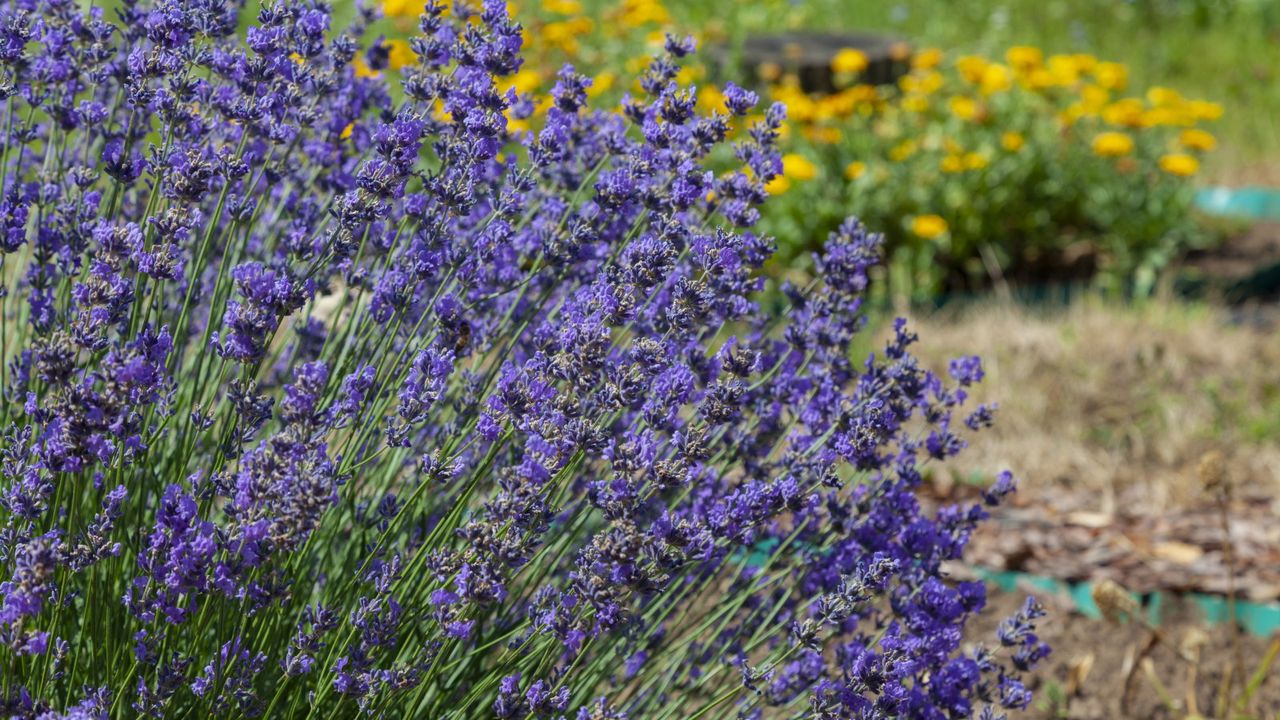
UPDATE: Gardeners are facing crucial decisions as fall approaches—can you plant lavender now? The answer hinges on several factors that could make or break your gardening season. Recent insights reveal essential dos and don’ts for fall planting, particularly for hardy lavender varieties.
As temperatures begin to drop, potential lavender growers must act swiftly. If you’re in US hardiness zones 7 to 10, you may have an opportunity to plant hardy lavender this fall. However, you must ensure your plants have at least six weeks to establish roots before the first hard frost.
For those in milder climates, fall planting can be advantageous. Warm soil and seasonal rainfall can support lavender’s root development, provided the soil drains well. Remember, lavender thrives in dry conditions; soggy soils could lead to root rot, especially in colder regions.
“Fall planting is only recommended in regions where the winters are mild and the soil is suitable,” gardening experts caution.
But what if you reside in zones 6 or below? Unfortunately, planting lavender in these areas is a risky endeavor. Harsh winters, early frosts, and prolonged snow make it nearly impossible for young plants to survive. Instead, experts advise waiting until spring to allow the plants to grow robust roots during the warmer months.
Even if you are in an appropriate zone, consider your soil type. Lavender requires well-draining soil. If your garden retains moisture, it’s best to delay planting. Adding organic matter or coarse sand can improve drainage, making fall planting feasible.
For those who planted lavender seeds earlier this year but haven’t transferred them outdoors, there are options. You can nurture your plants indoors over the winter or keep them protected in a greenhouse, allowing you to enjoy their lovely fragrance throughout the colder months.
So, when should you plant? If you’re considering September or October, you’re in luck. These months can be optimal for hardy varieties, provided conditions are right. Regular watering and mulching around the plants can help them establish before frost.
If you’re worried about winter survival, consider propagating lavender. Taking softwood cuttings in spring or early summer—or hardwood cuttings in late fall—can provide a reliable backup plan.
With the clock ticking, it’s essential to assess your local conditions and make informed decisions about your lavender plants. Whether you choose to plant now or wait until spring, understanding these factors can ensure a successful gardening experience.
Don’t miss out on the chance to grow this beloved plant. Act quickly, and share this information with fellow gardening enthusiasts to help them make the right choices this fall!

Knicks Dominate Raptors 116-94 at Home, Extend Winning Streak

Hallmark’s ‘Christmas at the Catnip Café’ Premieres Tonight!

Millville Woman Arrested for Threatening U-Haul Worker with Baton

Japan’s PM Takaichi Confirms Continued Fiscal Management Strategy

Bitcoin Plummets Below $88K Amid Tether Concerns and Warnings

Designers Unveil 5 Urgent Tricks to Transform Outdoor Eyesores

Shark Teeth Research Reveals Urgent Need to Protect Species

Church Members Unite in Resilience After Thanksgiving Fire

Community Unites to Attempt World Record for Largest Cookie Exchange

University of Hawaiʻi Joins $25.6M AI Initiative to Monitor Disasters

Toledo City League Announces Hall of Fame Inductees for 2024

DOJ Seizes $15 Billion in Bitcoin from Major Crypto Fraud Network

Sharp Launches Five New Aquos QLED 4K Ultra HD Smart TVs

Celtics Coach Joe Mazzulla Dominates Local Media in Scrimmage

Community Unites for 7th Annual Walk to Raise Mental Health Awareness

Mutual Advisors LLC Increases Stake in SPDR Portfolio ETF

Western Executives Confront Harsh Realities of China’s Manufacturing Edge

INK Entertainment Launches Exclusive Sofia Pop-Up at Virgin Hotels
-
Science4 weeks ago
University of Hawaiʻi Joins $25.6M AI Initiative to Monitor Disasters
-
 Lifestyle2 months ago
Toledo City League Announces Hall of Fame Inductees for 2024
-
 Business2 months ago
DOJ Seizes $15 Billion in Bitcoin from Major Crypto Fraud Network
-
 Top Stories2 months ago
Sharp Launches Five New Aquos QLED 4K Ultra HD Smart TVs
-
 Sports2 months ago
Celtics Coach Joe Mazzulla Dominates Local Media in Scrimmage
-
 Health2 months ago
Community Unites for 7th Annual Walk to Raise Mental Health Awareness
-
 Politics2 months ago
Mutual Advisors LLC Increases Stake in SPDR Portfolio ETF
-
 Science2 months ago
Western Executives Confront Harsh Realities of China’s Manufacturing Edge
-
 World2 months ago
INK Entertainment Launches Exclusive Sofia Pop-Up at Virgin Hotels
-

 Politics2 months ago
Major Networks Reject Pentagon’s New Reporting Guidelines
-

 Science1 month ago
Astronomers Discover Twin Cosmic Rings Dwarfing Galaxies
-

 Top Stories1 month ago
Randi Mahomes Launches Game Day Clothing Line with Chiefs