
Politics
Pakistan and Afghanistan Officials to Discuss Border Tensions in Qatar

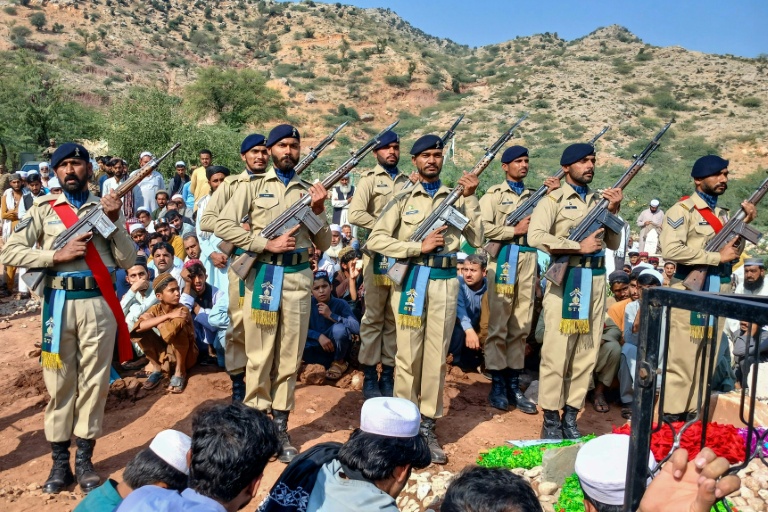
Pakistani and Afghan officials are set to meet in Qatar on October 14, 2023, in an effort to restore peace following a series of violent incidents along their shared border. This meeting comes a day after airstrikes conducted by Pakistan resulted in the deaths of at least ten Afghan civilians, raising tensions between the two nations.
The Pakistani airstrikes, which occurred just after a brief 48-hour ceasefire, targeted what security sources identified as a militant group linked to the Pakistani Taliban in border areas of Afghanistan. The ceasefire had been established following nearly a week of intense cross-border clashes that resulted in significant casualties, including dozens of troops and civilians from both sides.
The Pakistani Foreign Ministry has stated that the discussions in Doha aim to “end cross-border terrorism against Pakistan emanating from Afghanistan and restore peace and stability along the Pak-Afghan border.” Leading the Pakistani delegation are Defence Minister Khawaja Asif and intelligence chief General Asim Malik. The Afghan side will be represented by defence chief Mohammad Yaqoob, who has arrived in Qatar for the talks.
The role of Qatar as a mediator has been recognized by Pakistan’s foreign ministry, although the Qatari government has not publicly commented on the situation. A senior Taliban official reported that Pakistan had bombed three locations in Paktika province on October 13, warning that “Afghanistan will retaliate.” Despite this, Taliban spokesman Zabihullah Mujahid indicated on social media that their forces had been instructed to refrain from responding in order to preserve the integrity of the negotiation process.
In the attacks on October 13, a hospital official in Paktika confirmed that ten civilians, including two children, were killed and twelve others sustained injuries. Among the deceased were three cricket players participating in a domestic tournament, as noted by the Afghanistan Cricket Board. An individual from Urgun, Anwar Bidar, expressed concern about the prevailing atmosphere of fear and urged for a ceasefire, although he acknowledged the historical pattern of Pakistani military actions in border regions.
The ongoing violence has escalated longstanding security tensions, with Pakistan accusing Afghanistan of harboring militant groups such as the Tehreek-e-Taliban Pakistan (TTP), a claim that has been firmly denied by Kabul. General Asim Munir, Pakistan’s army chief, reiterated concerns over the use of Afghan territory to launch attacks against Pakistan. He remarked during a military parade that “proxies have sanctuaries in Afghanistan” and are responsible for “heinous attacks” within Pakistan.
In a further escalation of accusations, Defence Minister Asif accused Kabul of acting as a “proxy of India” and conspiring against Pakistan. In response, Afghan Deputy Interior Minister Mullah Mohammad Nabi Omari rejected these claims, asserting, “We neither brought the TTP here, nor supported them, nor did they come during our time.”
The cross-border violence intensified notably on October 11, 2023, coinciding with a significant visit by the Taliban’s foreign minister, Amir Muttaqi, to India, Pakistan’s long-standing rival. Following this visit, the Taliban initiated an aggressive offensive along its southern border with Pakistan, prompting Islamabad to vow a robust response.
On the ground, officials in Spin Boldak, a southern Afghan district, noted a slight return to normalcy but acknowledged that fear still pervades the community. Minister Saadullah Torjan remarked, “For now, the situation is returning to normal,” but added that “there is still a state of war and people are afraid.”
Iran, which shares borders with both countries, has offered to mediate and help alleviate tensions. In a recent conversation between the Iranian and Afghan foreign ministers, Tehran cautioned that ongoing hostilities could “undermine the stability of the entire region,” as reported by the state news agency IRNA.
As the discussions in Qatar unfold, they hold the potential to reshape the precarious relationship between Pakistan and Afghanistan, a relationship marked by cycles of violence and attempts at diplomacy.

Japan’s PM Takaichi Confirms Continued Fiscal Management Strategy

Bitcoin Plummets Below $88K Amid Tether Concerns and Warnings

Designers Unveil 5 Urgent Tricks to Transform Outdoor Eyesores

Shark Teeth Research Reveals Urgent Need to Protect Species

Church Members Unite in Resilience After Thanksgiving Fire

Community Unites to Attempt World Record for Largest Cookie Exchange

Mayor Lurie Appoints Alan Wong to District 4 Seat Amid Controversy

Mayor Appoints Alan Wong as New Supervisor for District 4

UK Report Reveals AI’s Role in Evaluating University Research Quality

University of Hawaiʻi Joins $25.6M AI Initiative to Monitor Disasters

Toledo City League Announces Hall of Fame Inductees for 2024

DOJ Seizes $15 Billion in Bitcoin from Major Crypto Fraud Network

Sharp Launches Five New Aquos QLED 4K Ultra HD Smart TVs

Celtics Coach Joe Mazzulla Dominates Local Media in Scrimmage

Community Unites for 7th Annual Walk to Raise Mental Health Awareness

Mutual Advisors LLC Increases Stake in SPDR Portfolio ETF

Western Executives Confront Harsh Realities of China’s Manufacturing Edge

INK Entertainment Launches Exclusive Sofia Pop-Up at Virgin Hotels
-
Science4 weeks ago
University of Hawaiʻi Joins $25.6M AI Initiative to Monitor Disasters
-
 Lifestyle2 months ago
Toledo City League Announces Hall of Fame Inductees for 2024
-
 Business2 months ago
DOJ Seizes $15 Billion in Bitcoin from Major Crypto Fraud Network
-
 Top Stories2 months ago
Sharp Launches Five New Aquos QLED 4K Ultra HD Smart TVs
-
 Sports2 months ago
Celtics Coach Joe Mazzulla Dominates Local Media in Scrimmage
-
 Health2 months ago
Community Unites for 7th Annual Walk to Raise Mental Health Awareness
-
 Politics2 months ago
Mutual Advisors LLC Increases Stake in SPDR Portfolio ETF
-
 Science2 months ago
Western Executives Confront Harsh Realities of China’s Manufacturing Edge
-
 World2 months ago
INK Entertainment Launches Exclusive Sofia Pop-Up at Virgin Hotels
-

 Politics2 months ago
Major Networks Reject Pentagon’s New Reporting Guidelines
-

 Science1 month ago
Astronomers Discover Twin Cosmic Rings Dwarfing Galaxies
-

 Top Stories1 month ago
Randi Mahomes Launches Game Day Clothing Line with Chiefs