
World
Boeing’s Ambitious 737-8ERX Never Takes Flight as Market Evolves

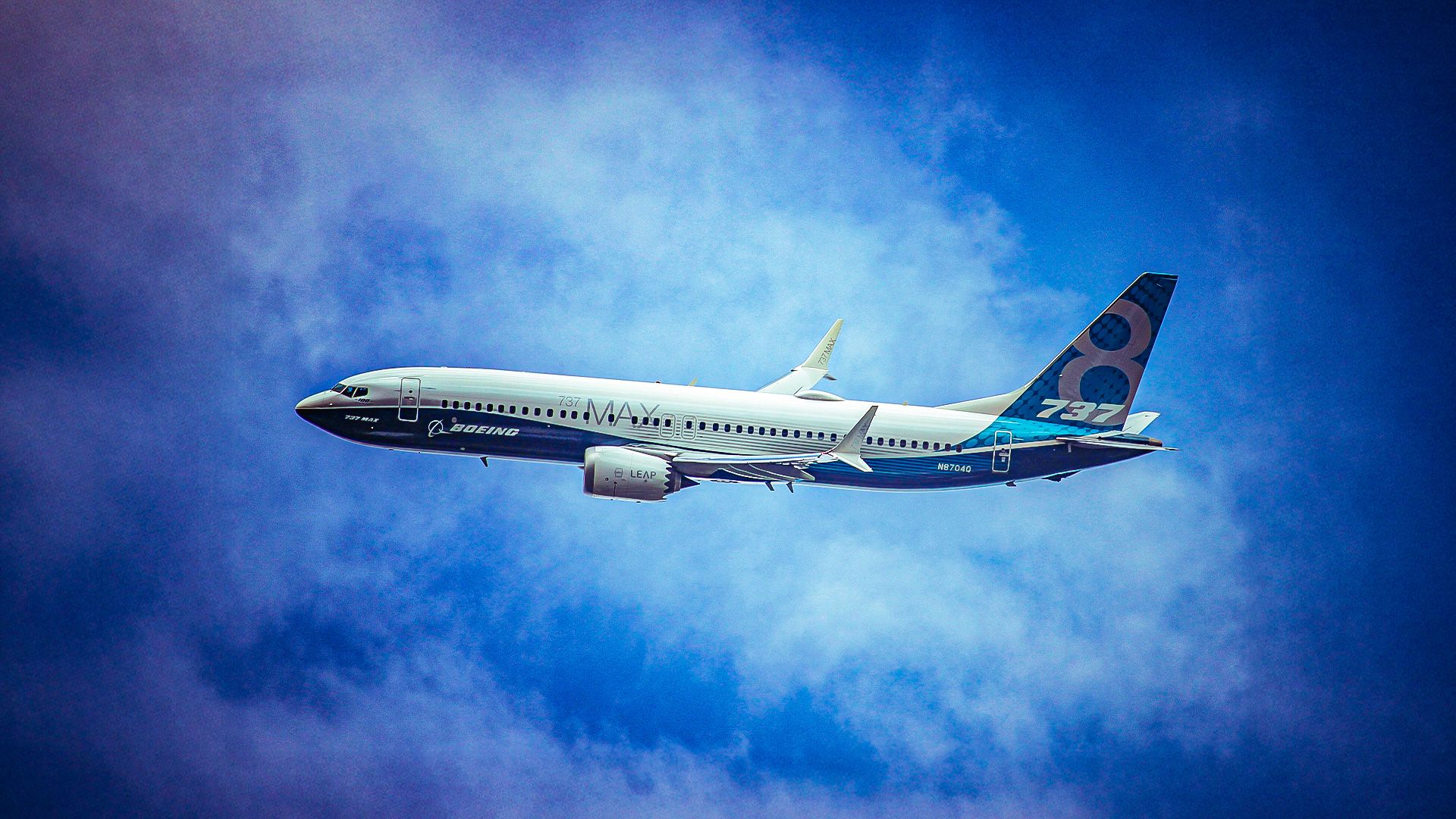
Boeing’s plans for the long-range 737-8ERX variant, based on its 737 MAX 8 model, have not come to fruition as of 2025. Initially conceived over a decade ago, the aircraft aimed to fill a niche in the expanding market for narrowbody jets. However, the 737-8ERX remains a design on paper, highlighting the complexities and challenges of aircraft development in a highly competitive industry.
Technical Specifications and Design Aspirations
The 737-8ERX was designed with a higher Maximum Take-Off Weight (MTOW) of 88.3 tons, compared to 82.2 tons for the 737 MAX 8. MTOW is critical for aircraft performance, encompassing the empty weight plus passengers, cargo, and fuel. Boeing intended to enhance the 737-8ERX by incorporating elements from the larger 737 MAX 9, including its wings, landing gear, and a central fuselage section. The proposed modifications promised to extend the aircraft’s range to approximately 4,603 miles, providing a competitive edge in the market.
Despite these ambitious plans, the 737-8ERX never progressed beyond the design phase. Boeing has historically explored various conceptual aircraft, but many never reach production due to unforeseen challenges in the design and regulatory process. This is believed to have been the case for the 737-8ERX, which never produced a prototype.
Market Dynamics and Competing Models
The decision to halt development of the 737-8ERX likely stemmed from several factors, including ongoing issues with the Boeing 737 MAX series. The 737-8ERX would have faced stiff competition from the Airbus A321XLR, which has emerged as a dominant player in the long-range narrowbody market. With a range of 5,400 miles, the A321XLR has been tailored to meet the demands of airlines seeking efficient operations on longer routes.
The 737-8ERX would have offered a slightly longer range than the A321LR but would have been limited in passenger capacity, accommodating around 160 passengers in a typical two-class configuration. This limitation placed it at a disadvantage in a market increasingly favoring higher-capacity aircraft. Furthermore, the A321XLR’s features, including a rear center tank and structural reinforcements, enhance its operational efficiency and attractiveness to airlines.
As of October 2025, Airbus has received over 500 orders for the A321XLR, with a growing number of airlines integrating the aircraft into their fleets. Major operators include Aer Lingus, Iberia, and Qantas, each leveraging the A321XLR’s capabilities to serve diverse international routes.
Boeing’s strategy appears to have shifted towards focusing on other aircraft programs, like the upcoming Boeing 777X, as the narrowbody market becomes increasingly saturated. The 737 MAX series continues to be operational, with Southwest Airlines leading the fleet with 273 737 MAX 8s and a total of 510 on order.
In conclusion, while the Boeing 737-8ERX held promise as a long-range variant, its failure to materialize reflects the complexities of aircraft development and the rapidly evolving landscape of commercial aviation. The emergence of the Airbus A321XLR further underscores the competitive pressures that manufacturers face in delivering innovative and economically viable solutions to airlines worldwide.

Japan’s PM Takaichi Confirms Continued Fiscal Management Strategy

Bitcoin Plummets Below $88K Amid Tether Concerns and Warnings

Designers Unveil 5 Urgent Tricks to Transform Outdoor Eyesores

Shark Teeth Research Reveals Urgent Need to Protect Species

Church Members Unite in Resilience After Thanksgiving Fire

Community Unites to Attempt World Record for Largest Cookie Exchange

Mayor Lurie Appoints Alan Wong to District 4 Seat Amid Controversy

Mayor Appoints Alan Wong as New Supervisor for District 4

UK Report Reveals AI’s Role in Evaluating University Research Quality

University of Hawaiʻi Joins $25.6M AI Initiative to Monitor Disasters

Toledo City League Announces Hall of Fame Inductees for 2024

DOJ Seizes $15 Billion in Bitcoin from Major Crypto Fraud Network

Sharp Launches Five New Aquos QLED 4K Ultra HD Smart TVs

Celtics Coach Joe Mazzulla Dominates Local Media in Scrimmage

Mutual Advisors LLC Increases Stake in SPDR Portfolio ETF

Community Unites for 7th Annual Walk to Raise Mental Health Awareness

Western Executives Confront Harsh Realities of China’s Manufacturing Edge

INK Entertainment Launches Exclusive Sofia Pop-Up at Virgin Hotels
-
Science4 weeks ago
University of Hawaiʻi Joins $25.6M AI Initiative to Monitor Disasters
-
 Lifestyle2 months ago
Toledo City League Announces Hall of Fame Inductees for 2024
-
 Business2 months ago
DOJ Seizes $15 Billion in Bitcoin from Major Crypto Fraud Network
-
 Top Stories2 months ago
Sharp Launches Five New Aquos QLED 4K Ultra HD Smart TVs
-
 Sports2 months ago
Celtics Coach Joe Mazzulla Dominates Local Media in Scrimmage
-
 Politics2 months ago
Mutual Advisors LLC Increases Stake in SPDR Portfolio ETF
-
 Health2 months ago
Community Unites for 7th Annual Walk to Raise Mental Health Awareness
-
 Science2 months ago
Western Executives Confront Harsh Realities of China’s Manufacturing Edge
-
 World2 months ago
INK Entertainment Launches Exclusive Sofia Pop-Up at Virgin Hotels
-

 Politics2 months ago
Major Networks Reject Pentagon’s New Reporting Guidelines
-

 Science1 month ago
Astronomers Discover Twin Cosmic Rings Dwarfing Galaxies
-

 Top Stories1 month ago
Randi Mahomes Launches Game Day Clothing Line with Chiefs