
Top Stories
Millions Protest as Surveillance Concerns Rise After Events

UPDATE: This weekend, an estimated 7 million people participated in the “No Kings” protests across major cities, including Los Angeles and New York City. While reports indicate minimal unrest—with zero protest-related arrests in NYC—the implications of surveillance on demonstrators are raising urgent concerns.
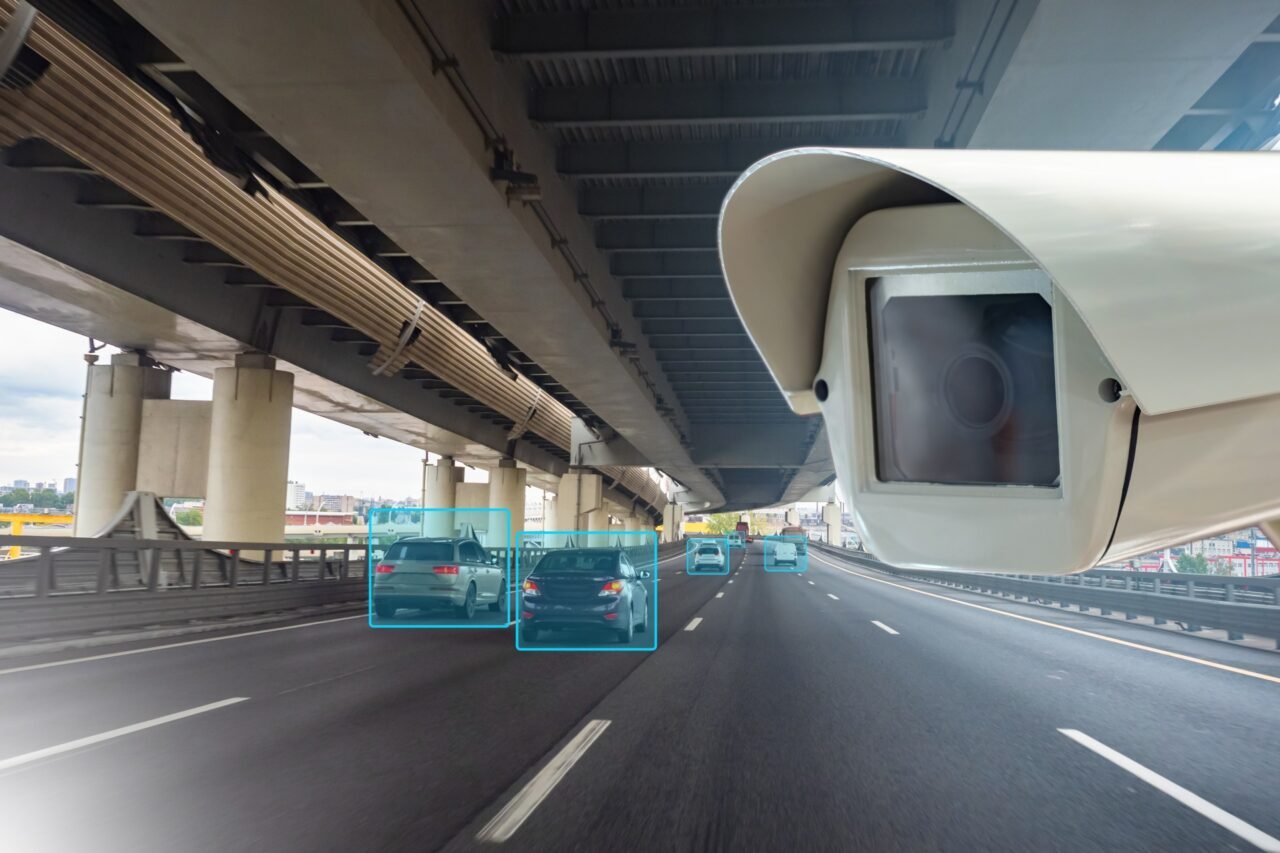
Authorities confirm that law enforcement is leveraging a range of technologies to monitor and track participants at these events. Surveillance cameras, particularly those linked to automated license plate reader systems (ALPRs), can easily identify vehicles near protest locations. This includes both fixed cameras and those mounted on police vehicles, gathering data from cars parked close to rallies.
For those using public transit, paying with cash minimizes tracking risks. However, digital payment methods linked to personal IDs may expose users’ locations to law enforcement. Additionally, smartphones leave a digital trail, potentially revealing users’ whereabouts even if they were in airplane mode during the protest.
The Electronic Frontier Foundation (EFF) warns that location data can be stored and transmitted when connected back to the internet. Moreover, even basic mobile phones can provide location information by connecting to cell towers, raising alarms about privacy.
Ryan Shapiro, executive director of Property of the People, expressed deep concerns about the narrative surrounding these peaceful protests. “The Trump regime would have us believe that somehow peaceful, pro-democracy protesters are terrorists,” he stated, emphasizing the dangers of conflating dissent with extremism.
In the political landscape, Speaker of the House Mike Johnson labeled the protests as “hate America” rallies, while Secretary of Transportation Sean Duffy suggested ties to antifa and dark money funding. Such rhetoric intensifies fears that the Trump Administration aims to “identify and disrupt financial networks” associated with what it deems as “domestic terrorism and political violence.”
In the age of social media, sharing protest photos raises further risks. The EFF highlights that images posted online can be accessed by agencies like the Department of Homeland Security (DHS) and U.S. Immigration and Customs Enforcement (ICE). Tools like Image Scrubber can help obscure identities and remove metadata, but once online, images can spread rapidly.
Moreover, law enforcement may capture images from protests using drones, while companies like Clearview AI scan vast photo databases to identify individuals. This reflects a broader trend of surveillance that has alarming implications for civil liberties.
As protests continue, the availability of a centralized database of information about Americans, as reported by the New York Times, raises significant ethical questions. The potential collaboration between the Trump Administration and data firms like Palantir could create a powerful surveillance apparatus, heightening fears of a crackdown on dissent.
What happens next? Activists and civil rights advocates are urging demonstrators to be aware of their digital footprints and to take steps to protect their privacy. The conversation surrounding surveillance, civil liberties, and the right to protest is more crucial than ever as the nation grapples with these pivotal issues.
Stay tuned for developing updates on how this situation unfolds and its impact on future demonstrations.

Shark Teeth Research Reveals Urgent Need to Protect Species

Church Members Unite in Resilience After Thanksgiving Fire

Community Unites to Attempt World Record for Largest Cookie Exchange

Mayor Lurie Appoints Alan Wong to District 4 Seat Amid Controversy

Mayor Appoints Alan Wong as New Supervisor for District 4

UK Report Reveals AI’s Role in Evaluating University Research Quality

Gabriela Jaquez Shines as No. 3 UCLA Dominates No. 14 Tennessee

Trump Promises to Release MRI Results Despite Uncertainty on Scan

Japan’s Q3 Capital Expenditure Slows Despite Surge in Profits

University of Hawaiʻi Joins $25.6M AI Initiative to Monitor Disasters

Toledo City League Announces Hall of Fame Inductees for 2024

DOJ Seizes $15 Billion in Bitcoin from Major Crypto Fraud Network

Sharp Launches Five New Aquos QLED 4K Ultra HD Smart TVs

Celtics Coach Joe Mazzulla Dominates Local Media in Scrimmage

Mutual Advisors LLC Increases Stake in SPDR Portfolio ETF

Community Unites for 7th Annual Walk to Raise Mental Health Awareness

Western Executives Confront Harsh Realities of China’s Manufacturing Edge

INK Entertainment Launches Exclusive Sofia Pop-Up at Virgin Hotels
-
Science4 weeks ago
University of Hawaiʻi Joins $25.6M AI Initiative to Monitor Disasters
-
 Lifestyle2 months ago
Toledo City League Announces Hall of Fame Inductees for 2024
-
 Business2 months ago
DOJ Seizes $15 Billion in Bitcoin from Major Crypto Fraud Network
-
 Top Stories2 months ago
Sharp Launches Five New Aquos QLED 4K Ultra HD Smart TVs
-
 Sports2 months ago
Celtics Coach Joe Mazzulla Dominates Local Media in Scrimmage
-
 Politics2 months ago
Mutual Advisors LLC Increases Stake in SPDR Portfolio ETF
-
 Health2 months ago
Community Unites for 7th Annual Walk to Raise Mental Health Awareness
-
 Science2 months ago
Western Executives Confront Harsh Realities of China’s Manufacturing Edge
-
 World2 months ago
INK Entertainment Launches Exclusive Sofia Pop-Up at Virgin Hotels
-

 Politics2 months ago
Major Networks Reject Pentagon’s New Reporting Guidelines
-

 Science1 month ago
Astronomers Discover Twin Cosmic Rings Dwarfing Galaxies
-

 Top Stories1 month ago
Randi Mahomes Launches Game Day Clothing Line with Chiefs