
Top Stories
Urgent Warning: 10 Risky Foods Linked to Illness Revealed Now

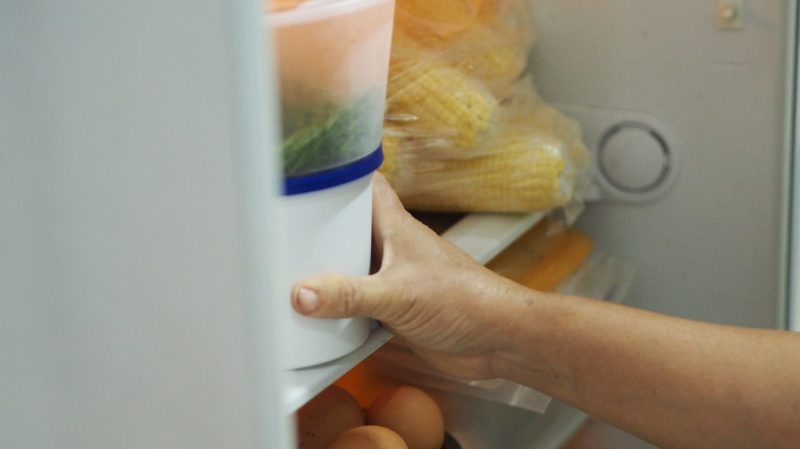
UPDATE: A new analysis by Consumer Reports has revealed the top 10 foods most frequently linked to foodborne illnesses in 2024. This urgent warning highlights significant health risks associated with everyday items such as deli meats, leafy greens, and soft cheeses. Food safety expert Rosalee S. Hellberg, Ph.D., emphasizes the need for increased awareness as Halloween approaches, a time when homemade treats and unwrapped goods can pose serious contamination risks.
The analysis identifies cucumbers, onions, organic carrots, and leafy greens among the most dangerous foods. Leafy greens are particularly concerning due to their high surface area, which can easily be contaminated by unsafe water or soil. Hellberg states that while carrots are generally safer, they can still be risky when consumed raw or mishandled.
Alarmingly, foodborne illnesses linked to cotija and queso fresco cheeses have resulted in 26 illnesses, 23 hospitalizations, and 2 deaths this year alone. “Soft cheeses retain more moisture, making them a breeding ground for Listeria monocytogenes,” Hellberg warns. The aging process of these cheeses can also fail to eliminate harmful pathogens, especially in those made from unpasteurized milk.
As Halloween nears, Hellberg urges caution regarding homemade treats, which often lack proper sanitation. She stresses that products containing dairy or eggs, like custards and cream-filled pastries, should be kept refrigerated to prevent spoilage. “Avoiding raw dough or batter is essential to reduce the risk of salmonella or E. coli,” she adds.
To combat these risks, producers must adhere to safe irrigation and sanitation practices. Processing facilities are legally required to follow Good Manufacturing Practices (GMPs), which enforce standards for equipment sanitation, pest control, and employee hygiene.
Consumers can actively reduce their risk of foodborne illnesses by implementing the following measures:
– Thoroughly wash produce before consumption
– Cook meats, eggs, and seafood to safe internal temperatures
– Avoid raw dairy and undercooked meats
– Check expiration dates and storage instructions carefully
– Maintain safe temperatures for cold and hot foods
– Use separate cutting boards for raw and cooked items to prevent cross-contamination
As food safety concerns escalate, it is crucial for consumers to stay informed and take proactive steps to protect their health. Share this urgent update to spread awareness about the risks associated with these common foods and help keep your loved ones safe this Halloween season.

Fire Erupts at Indigo Apartments in OKC, Residents Fearful

Arlene Hartman, Beloved Community Member, Passes at 87

Urgent: Vehicle Fire Closes Two Lanes on I-215 in Salt Lake City

Knicks Dominate Raptors 116-94 at Home, Extend Winning Streak

Hallmark’s ‘Christmas at the Catnip Café’ Premieres Tonight!

Millville Woman Arrested for Threatening U-Haul Worker with Baton

Japan’s PM Takaichi Confirms Continued Fiscal Management Strategy

Bitcoin Plummets Below $88K Amid Tether Concerns and Warnings

Designers Unveil 5 Urgent Tricks to Transform Outdoor Eyesores

University of Hawaiʻi Joins $25.6M AI Initiative to Monitor Disasters

Toledo City League Announces Hall of Fame Inductees for 2024

DOJ Seizes $15 Billion in Bitcoin from Major Crypto Fraud Network

Sharp Launches Five New Aquos QLED 4K Ultra HD Smart TVs

Celtics Coach Joe Mazzulla Dominates Local Media in Scrimmage

Mutual Advisors LLC Increases Stake in SPDR Portfolio ETF

Community Unites for 7th Annual Walk to Raise Mental Health Awareness

Western Executives Confront Harsh Realities of China’s Manufacturing Edge

INK Entertainment Launches Exclusive Sofia Pop-Up at Virgin Hotels
-
Science4 weeks ago
University of Hawaiʻi Joins $25.6M AI Initiative to Monitor Disasters
-
 Lifestyle2 months ago
Toledo City League Announces Hall of Fame Inductees for 2024
-
 Business2 months ago
DOJ Seizes $15 Billion in Bitcoin from Major Crypto Fraud Network
-
 Top Stories2 months ago
Sharp Launches Five New Aquos QLED 4K Ultra HD Smart TVs
-
 Sports2 months ago
Celtics Coach Joe Mazzulla Dominates Local Media in Scrimmage
-
 Politics2 months ago
Mutual Advisors LLC Increases Stake in SPDR Portfolio ETF
-
 Health2 months ago
Community Unites for 7th Annual Walk to Raise Mental Health Awareness
-
 Science2 months ago
Western Executives Confront Harsh Realities of China’s Manufacturing Edge
-
 World2 months ago
INK Entertainment Launches Exclusive Sofia Pop-Up at Virgin Hotels
-

 Politics2 months ago
Major Networks Reject Pentagon’s New Reporting Guidelines
-

 Science1 month ago
Astronomers Discover Twin Cosmic Rings Dwarfing Galaxies
-

 Top Stories1 month ago
Randi Mahomes Launches Game Day Clothing Line with Chiefs