
World
UK Government Borrowing Hits £20.2 Billion in September Surge

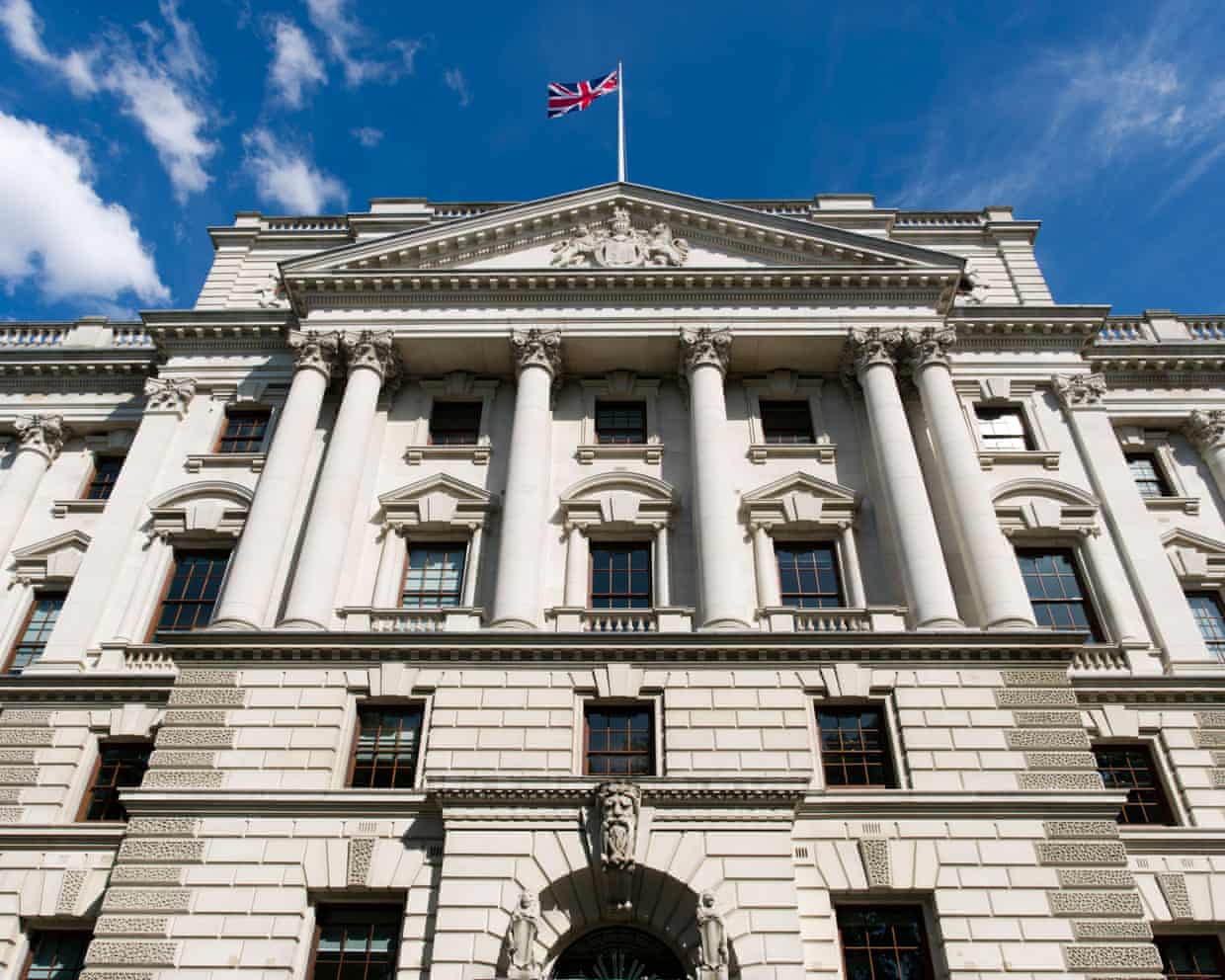
Government borrowing in the United Kingdom reached its highest level for September in five years, amounting to £20.2 billion. This increase is largely attributed to rising debt interest costs and higher welfare payments, which have deepened the public finances deficit. According to the Office for National Statistics (ONS), public sector net borrowing—the difference between spending and income—rose by £1.6 billion compared to September 2022.
Despite a rise in tax receipts, the growth in debt interest costs and welfare expenditures could not be mitigated. The ONS noted that these welfare costs have significantly increased due to ongoing inflationary pressures. Economists surveyed by Reuters had anticipated borrowing would reach £20.8 billion in September, indicating that the actual figures fell slightly below expectations.
As of now, total borrowing for the current financial year stands at £99.8 billion, which is £7.2 billion higher than the forecast made by the Office for Budget Responsibility in March. This situation presents a considerable challenge for Chancellor Rachel Reeves, who is preparing for her budget announcement on November 26, 2023.
While UK borrowing costs on international money markets have decreased recently, reducing the expenses associated with financing government debt, the overall interest bill remains historically elevated. Annual borrowing is projected to surpass £100 billion this year, accounting for almost 10% of the annual budget. This creates constraints on spending for various departments within Whitehall.
In her upcoming budget, Reeves is expected to confront a deficit ranging between £20 billion and £40 billion. To address these financial challenges, she has hinted at potential significant tax increases and plans to revisit measures aimed at reducing the welfare bill. This comes in light of a recent downgrade to the OBR’s productivity forecast, which complicates the fiscal landscape.
The UK economy experienced a modest growth of 0.1% in August. However, a downward revision of growth figures for July indicates that the economy only expanded by 0.3% over the three months leading to the end of August.
As the Chancellor prepares to navigate these fiscal hurdles, the implications for government policy and public services remain a critical focus for both policymakers and the public. Further details on the budget and its impact on the UK economy will be revealed in the coming weeks.

Japan’s PM Takaichi Confirms Continued Fiscal Management Strategy

Bitcoin Plummets Below $88K Amid Tether Concerns and Warnings

Designers Unveil 5 Urgent Tricks to Transform Outdoor Eyesores

Shark Teeth Research Reveals Urgent Need to Protect Species

Church Members Unite in Resilience After Thanksgiving Fire

Community Unites to Attempt World Record for Largest Cookie Exchange

Mayor Lurie Appoints Alan Wong to District 4 Seat Amid Controversy

Mayor Appoints Alan Wong as New Supervisor for District 4

UK Report Reveals AI’s Role in Evaluating University Research Quality

University of Hawaiʻi Joins $25.6M AI Initiative to Monitor Disasters

Toledo City League Announces Hall of Fame Inductees for 2024

DOJ Seizes $15 Billion in Bitcoin from Major Crypto Fraud Network

Sharp Launches Five New Aquos QLED 4K Ultra HD Smart TVs

Celtics Coach Joe Mazzulla Dominates Local Media in Scrimmage

Community Unites for 7th Annual Walk to Raise Mental Health Awareness

Mutual Advisors LLC Increases Stake in SPDR Portfolio ETF

Western Executives Confront Harsh Realities of China’s Manufacturing Edge

INK Entertainment Launches Exclusive Sofia Pop-Up at Virgin Hotels
-
Science4 weeks ago
University of Hawaiʻi Joins $25.6M AI Initiative to Monitor Disasters
-
 Lifestyle2 months ago
Toledo City League Announces Hall of Fame Inductees for 2024
-
 Business2 months ago
DOJ Seizes $15 Billion in Bitcoin from Major Crypto Fraud Network
-
 Top Stories2 months ago
Sharp Launches Five New Aquos QLED 4K Ultra HD Smart TVs
-
 Sports2 months ago
Celtics Coach Joe Mazzulla Dominates Local Media in Scrimmage
-
 Health2 months ago
Community Unites for 7th Annual Walk to Raise Mental Health Awareness
-
 Politics2 months ago
Mutual Advisors LLC Increases Stake in SPDR Portfolio ETF
-
 Science2 months ago
Western Executives Confront Harsh Realities of China’s Manufacturing Edge
-
 World2 months ago
INK Entertainment Launches Exclusive Sofia Pop-Up at Virgin Hotels
-

 Politics2 months ago
Major Networks Reject Pentagon’s New Reporting Guidelines
-

 Science1 month ago
Astronomers Discover Twin Cosmic Rings Dwarfing Galaxies
-

 Top Stories1 month ago
Randi Mahomes Launches Game Day Clothing Line with Chiefs