
Health
Washington State University Marks 100 Years of Speech Sciences

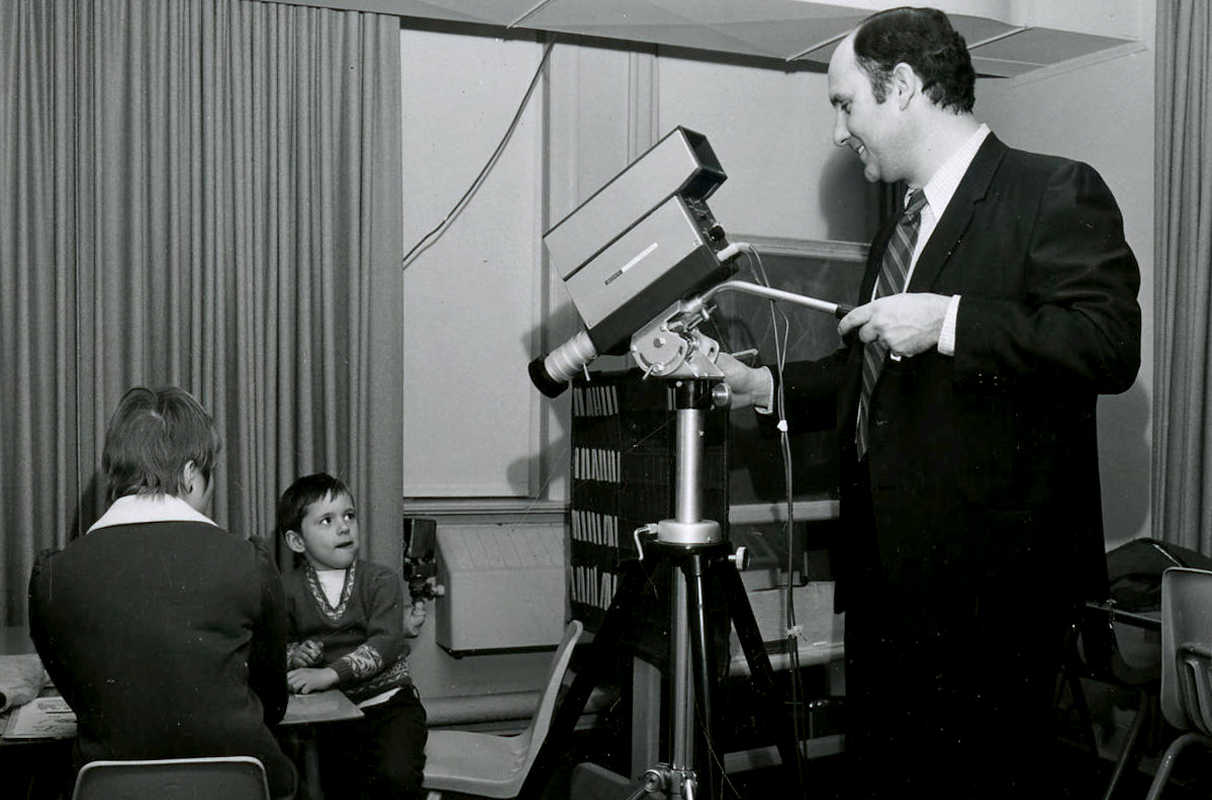
Washington State University (WSU) recently celebrated a significant milestone as its Department of Speech and Hearing Sciences marked its 100th anniversary. Established in 1925, the department has transitioned from its artistic roots to a comprehensive scientific approach in the field of communication and speech-language pathology.
The journey began under the leadership of Professor Maynard Lee Daggy, who reorganized existing “oral expression” courses into distinct units, laying the foundation for what would eventually evolve into the modern department. “We’ve been here since the beginning,” reflected Professor Emerita Gail Chermak, who served as department chair from 1990 to 2021. Her sentiment underscores the department’s legacy and its vital role in both the university and the communities it serves.
Evolution of Communication Studies
In its early days, the department focused on elocution and “correct speech,” a reflection of the societal emphasis on public speaking during the Roaring Twenties. As the field grew, so did the need for a more clinical approach to speech and language disorders. The onset of World War II increased student enrollment and spurred the development of speech pathology as a recognized healthcare field. This shift prompted the department to adopt clinical methodologies and hire faculty specifically trained in speech pathology.
Students were able to gain practical experience through the department’s Communication Disorders Clinic, which later partnered with a private clinic in Spokane. This collaboration established the clinic as a regional hub for medical education and healthcare, culminating in the program receiving accreditation by the mid-1970s, allowing it to grant master’s degrees in speech pathology and audiology.
By the late 1980s, the department underwent significant restructuring as its artistic and scientific components diverged. This led to the renaming of the department to Speech and Hearing Sciences in 1987, reflecting its broader educational scope and commitment to the science of human communication. That year also saw WSU form a partnership with Eastern Washington University, expanding educational offerings in healthcare fields.
New Horizons in Healthcare Education
The past decade has ushered in transformative changes for the department. In 2015, it became the founding department of WSU’s Elson S. Floyd College of Medicine, enhancing its integration within the medical education landscape. This transition has fostered collaboration across disciplines, allowing faculty and students to work alongside medical professionals. “Our colleagues in medicine understand us. We speak the same language,” Chermak noted, emphasizing the benefits of this partnership.
Today, the department offers a range of academic programs that prepare students for careers in clinical practice and research. Faculty and students are engaged in research addressing communication disorders across the lifespan, exploring issues from autism and neurodevelopmental disorders in infants to age-related changes in speech and swallowing.
As WSU celebrates its centennial, the department is not merely looking back at its history but is focused on the future. Associate Professor David Jenson, who will assume the role of department chair on July 7, 2025, stated, “As we celebrate 100 years of excellence, we’re not just looking back — we’re looking forward to the challenges and opportunities that lie ahead.” The commitment to evolving alongside community needs remains a cornerstone of the department’s mission, ensuring it continues to impact the field of speech and hearing sciences for years to come.

ECB Confirms Interest Rates Remain Steady Ahead of Year-End

Rolette Record Transitions to New Ownership in Cando Deal

Reverend Thomas Perry Resigns Amid Controversy Over Conduct

University of Arizona Researchers Discover Key to Preventing Scar Tissue

Missouri Sports Betting Launches Amid Ongoing Scandals

Four Arrested in Australia for Alleged International Child Abuse Ring

Rolette Record Sold to Cando Men: Major Change in Local Media

Marsh & McLennan Faces Challenges as Stock Underperforms Financial Sector

Fire Erupts at Indigo Apartments in OKC, Residents Fearful

University of Hawaiʻi Joins $25.6M AI Initiative to Monitor Disasters

Toledo City League Announces Hall of Fame Inductees for 2024

DOJ Seizes $15 Billion in Bitcoin from Major Crypto Fraud Network

Sharp Launches Five New Aquos QLED 4K Ultra HD Smart TVs

Celtics Coach Joe Mazzulla Dominates Local Media in Scrimmage

Mutual Advisors LLC Increases Stake in SPDR Portfolio ETF

Community Unites for 7th Annual Walk to Raise Mental Health Awareness

Western Executives Confront Harsh Realities of China’s Manufacturing Edge

INK Entertainment Launches Exclusive Sofia Pop-Up at Virgin Hotels
-
Science4 weeks ago
University of Hawaiʻi Joins $25.6M AI Initiative to Monitor Disasters
-
 Lifestyle2 months ago
Toledo City League Announces Hall of Fame Inductees for 2024
-
 Business2 months ago
DOJ Seizes $15 Billion in Bitcoin from Major Crypto Fraud Network
-
 Top Stories2 months ago
Sharp Launches Five New Aquos QLED 4K Ultra HD Smart TVs
-
 Sports2 months ago
Celtics Coach Joe Mazzulla Dominates Local Media in Scrimmage
-
 Politics2 months ago
Mutual Advisors LLC Increases Stake in SPDR Portfolio ETF
-
 Health2 months ago
Community Unites for 7th Annual Walk to Raise Mental Health Awareness
-
 Science2 months ago
Western Executives Confront Harsh Realities of China’s Manufacturing Edge
-
 World2 months ago
INK Entertainment Launches Exclusive Sofia Pop-Up at Virgin Hotels
-

 Politics2 months ago
Major Networks Reject Pentagon’s New Reporting Guidelines
-

 Science1 month ago
Astronomers Discover Twin Cosmic Rings Dwarfing Galaxies
-

 Top Stories1 month ago
Randi Mahomes Launches Game Day Clothing Line with Chiefs