
Entertainment
Halloween’s Global Roots: Uncovering a 2,000-Year Tradition

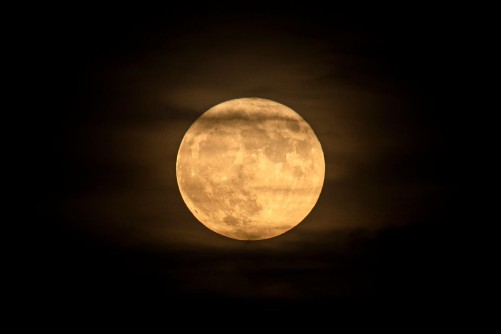
Halloween, celebrated on October 31, has a rich history that spans thousands of years and crosses cultural boundaries. Scholars from West Virginia University (WVU) assert that many modern traditions associated with Halloween, such as trick-or-treating, have their origins in ancient rituals and beliefs from various parts of the world. According to Aaron Gale and Alex Snow, associate professors of religious studies at the WVU Eberly College of Arts and Sciences, Halloween’s roots can be traced back to ancient Celtic practices and have evolved significantly over time.
The origins of Halloween can be linked to the Celtic druids, who celebrated Samhain, a festival marking the transition from summer to winter. This festival, which dates back approximately 2,000 years, held significant importance in marking the changing of the seasons. The traditional colors of orange and black symbolize the contrast between the life of summer and the death associated with winter. The Celts believed that on October 31, the barriers between the living and the dead were blurred, prompting them to leave food offerings and disguise themselves to avoid unwanted interactions with wandering spirits. Gale notes that these practices likely inspired the modern custom of trick-or-treating.
As Halloween traditions continued to develop, they were influenced by the European witch craze during the Middle Ages. Thousands of individuals, primarily women, were accused of witchcraft, leading to the popularization of symbols like cauldrons, cats, and broomsticks. This period, often referred to as the “Golden Age” of witches, helped shape many of the visual elements that define Halloween today. By the 1920s, Halloween had become a staple of American culture, evolving into a multibillion-dollar industry centered on costumes, candy, and community festivities.
The fascination with ghosts is not exclusive to Western cultures, as many parts of Asia also celebrate similar beliefs. Snow highlights that Halloween-like traditions exist in countries such as the Philippines and China, where the Festival of Hungry Ghosts is observed annually on July 15. This festival reflects a deep-seated cultural understanding of ghosts as the spirits of the deceased who wander among the living.
During the Festival of Hungry Ghosts, offerings are made to appease these spirits, mirroring the themes of reverence and fear present in Halloween. The concept of “hungry ghosts,” or “egui,” has roots in Buddhist mythology and portrays these entities as eternally tormented by unfulfilled needs. Snow explains that this festival serves as a significant cultural and economic event, akin to Halloween in its ability to blend celebration with a sense of caution regarding the supernatural.
Both Gale and Snow emphasize that Halloween’s enduring appeal lies in its ability to connect various cultural narratives around death, the supernatural, and the changing seasons. As traditions continue to evolve, the holiday has grown to encompass a wide range of practices and beliefs, making it a unique celebration that resonates across different societies. The interplay between fear and festivity continues to shape Halloween, ensuring its lasting presence in the global cultural landscape.

Fire Erupts at Indigo Apartments in OKC, Residents Fearful

Arlene Hartman, Beloved Community Member, Passes at 87

Urgent: Vehicle Fire Closes Two Lanes on I-215 in Salt Lake City

Knicks Dominate Raptors 116-94 at Home, Extend Winning Streak

Hallmark’s ‘Christmas at the Catnip Café’ Premieres Tonight!

Millville Woman Arrested for Threatening U-Haul Worker with Baton

Japan’s PM Takaichi Confirms Continued Fiscal Management Strategy

Bitcoin Plummets Below $88K Amid Tether Concerns and Warnings

Designers Unveil 5 Urgent Tricks to Transform Outdoor Eyesores

University of Hawaiʻi Joins $25.6M AI Initiative to Monitor Disasters

Toledo City League Announces Hall of Fame Inductees for 2024

DOJ Seizes $15 Billion in Bitcoin from Major Crypto Fraud Network

Sharp Launches Five New Aquos QLED 4K Ultra HD Smart TVs

Celtics Coach Joe Mazzulla Dominates Local Media in Scrimmage

Community Unites for 7th Annual Walk to Raise Mental Health Awareness

Mutual Advisors LLC Increases Stake in SPDR Portfolio ETF

Western Executives Confront Harsh Realities of China’s Manufacturing Edge

INK Entertainment Launches Exclusive Sofia Pop-Up at Virgin Hotels
-
Science4 weeks ago
University of Hawaiʻi Joins $25.6M AI Initiative to Monitor Disasters
-
 Lifestyle2 months ago
Toledo City League Announces Hall of Fame Inductees for 2024
-
 Business2 months ago
DOJ Seizes $15 Billion in Bitcoin from Major Crypto Fraud Network
-
 Top Stories2 months ago
Sharp Launches Five New Aquos QLED 4K Ultra HD Smart TVs
-
 Sports2 months ago
Celtics Coach Joe Mazzulla Dominates Local Media in Scrimmage
-
 Health2 months ago
Community Unites for 7th Annual Walk to Raise Mental Health Awareness
-
 Politics2 months ago
Mutual Advisors LLC Increases Stake in SPDR Portfolio ETF
-
 Science2 months ago
Western Executives Confront Harsh Realities of China’s Manufacturing Edge
-
 World2 months ago
INK Entertainment Launches Exclusive Sofia Pop-Up at Virgin Hotels
-

 Politics2 months ago
Major Networks Reject Pentagon’s New Reporting Guidelines
-
 Science1 month ago
Astronomers Discover Twin Cosmic Rings Dwarfing Galaxies
-

 Top Stories1 month ago
Randi Mahomes Launches Game Day Clothing Line with Chiefs