
Top Stories
Trump’s Military Authority Under Fire as Courts Challenge Deployments

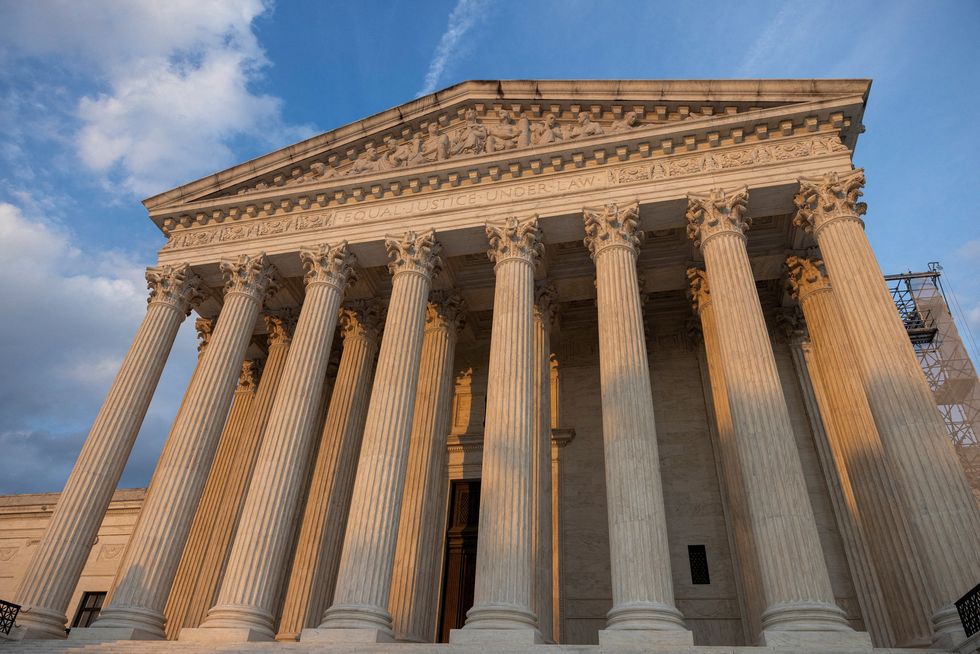
URGENT UPDATE: Legal battles intensify as President Donald Trump seeks to assert unprecedented military authority, prompting critical court decisions across the nation. Recent rulings could reshape the future of executive power and military deployment in domestic settings.
The Seventh Circuit Court of Appeals has unanimously blocked Trump’s deployment of the National Guard in Chicago, reinforcing judicial oversight of presidential actions. This ruling adds to a series of legal challenges facing Trump’s use of military forces in American cities, including Los Angeles and Portland. The implications are profound, as these decisions could establish vital precedents for executive authority in emergency situations.
Trump’s administration claims to have the right to “federalize” the National Guard without state approval, arguing that courts lack the power to review his factual determinations. However, the Ninth Circuit Court of Appeals rejected this claim, stating that while the president deserves deference, he cannot ignore established facts. Judge Karin Immergut, a Trump appointee, previously ruled against the president’s deployment in Portland, noting that his decisions were “untethered to the facts.”
In a troubling pattern, Trump is appealing these decisions to the U.S. Supreme Court, where he has previously benefited from a conservative majority. As of September 22, 2023, Trump has won 21 cases on the Court’s “shadow docket,” with only two losses. This raises concerns about the potential for unchecked executive power, especially during the upcoming 2026 midterm elections, where military presence could suppress voter turnout.
The legal battles stem from Trump’s insistence that he has absolute authority over the deployment of federal forces, a claim his critics argue could lead to authoritarian rule. Trump’s lawyers cite a historical case from 1827 involving a militiaman’s refusal to serve, which could allow him to bypass judicial scrutiny entirely. However, the courts have consistently pushed back against this interpretation, emphasizing the importance of fact-based judicial reviews.
The stakes are high. As armed troops patrol neighborhoods, fears of militarization are growing among citizens. Legal experts warn that if the Supreme Court sides with Trump, it could set a dangerous precedent, enabling future presidents to deploy military forces without accountability.
The dissenting opinion from Judge Susan Graber in the Ninth Circuit highlights the critical need for judicial oversight. She advocates for a thorough review of the majority’s decision, asserting that facts and evidence must guide such significant presidential powers.
As these cases unfold, the nation watches closely. The next steps will unfold as the Supreme Court considers Trump’s appeals, a process that could redefine the balance of power between state and federal authorities and impact the lives of millions of Americans.
Stay tuned for more updates as the situation develops. The outcome of these legal battles may determine the future of civil liberties and the role of military forces in the United States.

Fed Chair Powell to Speak Tonight; No Monetary Policy Insights Expected

NSW Government Orders 6-Hour Shutdown of Gambling Machines

Research Sheds Light on ‘Covert Consciousness’ in Patients

Chicago Remembers Tragic Our Lady of the Angels Fire, 92 Lives Lost

Michael Jordan’s Racing Team Takes NASCAR to Court Over Antitrust Claims

Star-Studded British Independent Film Awards Celebrate Top Talent

Cyber Monday 2023: Top Deals and Discounts to Grab Now

TikTok Shop Transforms Shopping with $19 Billion in Sales

Investigating Organ Transplant Waitlist Manipulation Practices

University of Hawaiʻi Joins $25.6M AI Initiative to Monitor Disasters

Toledo City League Announces Hall of Fame Inductees for 2024

DOJ Seizes $15 Billion in Bitcoin from Major Crypto Fraud Network

Sharp Launches Five New Aquos QLED 4K Ultra HD Smart TVs

Celtics Coach Joe Mazzulla Dominates Local Media in Scrimmage

Mutual Advisors LLC Increases Stake in SPDR Portfolio ETF

Community Unites for 7th Annual Walk to Raise Mental Health Awareness

Western Executives Confront Harsh Realities of China’s Manufacturing Edge

Major Networks Reject Pentagon’s New Reporting Guidelines
-
Science4 weeks ago
University of Hawaiʻi Joins $25.6M AI Initiative to Monitor Disasters
-
 Lifestyle2 months ago
Toledo City League Announces Hall of Fame Inductees for 2024
-
 Business2 months ago
DOJ Seizes $15 Billion in Bitcoin from Major Crypto Fraud Network
-
 Top Stories2 months ago
Sharp Launches Five New Aquos QLED 4K Ultra HD Smart TVs
-
 Sports2 months ago
Celtics Coach Joe Mazzulla Dominates Local Media in Scrimmage
-
 Politics2 months ago
Mutual Advisors LLC Increases Stake in SPDR Portfolio ETF
-
 Health2 months ago
Community Unites for 7th Annual Walk to Raise Mental Health Awareness
-
 Science2 months ago
Western Executives Confront Harsh Realities of China’s Manufacturing Edge
-
 Politics2 months ago
Major Networks Reject Pentagon’s New Reporting Guidelines
-

 World2 months ago
INK Entertainment Launches Exclusive Sofia Pop-Up at Virgin Hotels
-

 Science1 month ago
Astronomers Discover Twin Cosmic Rings Dwarfing Galaxies
-

 Top Stories1 month ago
Randi Mahomes Launches Game Day Clothing Line with Chiefs