
Top Stories
Don’t Buy a 3D Printer Yet: Essential Tips for Beginners

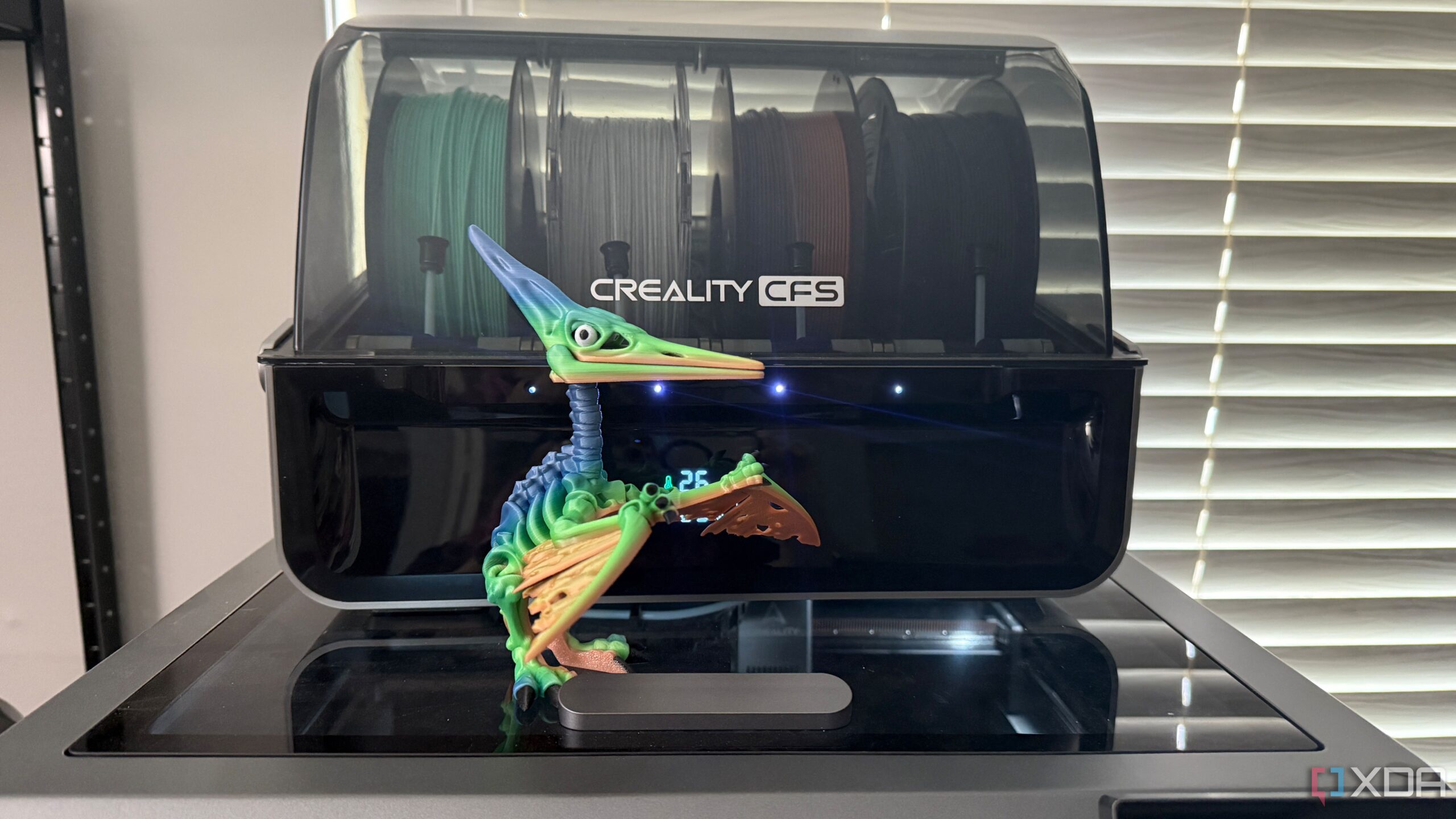
URGENT UPDATE: New insights reveal critical information for anyone considering purchasing a 3D printer. As the excitement around 3D printing grows, potential buyers must understand the real challenges involved before making a purchase.
While the allure of creating custom designs is strong, experts warn that many newcomers face unexpected hurdles. Most 3D printers require extensive setup and calibration, a process that can be time-consuming and frustrating for beginners.
According to industry insiders, failed prints are common in the initial stages. Many first-time users mistakenly expect instant, flawless results, unaware that 3D printing involves significant trial and error. Those who enter the hobby with unrealistic expectations often find themselves disheartened by the reality of nozzle clogs, bed leveling, and print adhesion issues.
NEW REPORTS confirm that aspiring 3D printing enthusiasts should prepare for a learning curve. Experts stress the importance of understanding the various materials available. For example, filaments like PLA, PETG, and ABS each have distinct properties affecting print quality and durability.
Furthermore, the total cost of ownership extends far beyond the initial price tag of the printer. Buyers must account for ongoing expenses, including filament, replacement parts, and necessary tools, which can add up rapidly, particularly during the learning phase.
Authorities recommend that potential buyers carefully assess their goals. Do you want quick results or are you interested in tinkering and customization? This decision will guide you toward the right printer—whether it’s a more user-friendly, closed-frame model or an open-frame option that allows for upgrades.
Experts advise: Research thoroughly before making a purchase. Check user reviews for reliability and community support. Brands like Prusa and Bambu Lab are noted for producing dependable machines that yield high-quality prints right out of the box.
In addition to technical considerations, space is a crucial factor. 3D printers can be noisy, and some materials emit unpleasant odors during operation. Ensuring you have a dedicated workspace can enhance your overall experience.
Despite these challenges, 3D printing remains an incredibly rewarding hobby. Once the learning curve is overcome, users report immense satisfaction from creating functional and creative items. Skills acquired during this process, such as problem-solving and basic engineering, can lead to further personal and professional development.
The 3D printing community is also a valuable resource, offering support and shared knowledge. Newcomers are encouraged to engage with local maker groups and online forums, fostering collaboration and creativity.
In summary, before diving into the world of 3D printing, it’s essential to approach the hobby with realistic expectations. Prepare for a journey filled with learning, troubleshooting, and creativity. If you’re ready to embrace the challenges, the rewards can be extraordinary.
Stay tuned for ongoing updates and insights into the world of 3D printing, and share this information to help others navigate their journey!

NSW Government Orders 6-Hour Shutdown of Gambling Machines

Research Sheds Light on ‘Covert Consciousness’ in Patients

Chicago Remembers Tragic Our Lady of the Angels Fire, 92 Lives Lost

Michael Jordan’s Racing Team Takes NASCAR to Court Over Antitrust Claims

Star-Studded British Independent Film Awards Celebrate Top Talent

Cyber Monday 2023: Top Deals and Discounts to Grab Now

TikTok Shop Transforms Shopping with $19 Billion in Sales

Investigating Organ Transplant Waitlist Manipulation Practices

Homemade Ding Dong Cake Recipe Surges in Popularity, Perfect for Crowds

University of Hawaiʻi Joins $25.6M AI Initiative to Monitor Disasters

Toledo City League Announces Hall of Fame Inductees for 2024

DOJ Seizes $15 Billion in Bitcoin from Major Crypto Fraud Network

Sharp Launches Five New Aquos QLED 4K Ultra HD Smart TVs

Celtics Coach Joe Mazzulla Dominates Local Media in Scrimmage

Community Unites for 7th Annual Walk to Raise Mental Health Awareness

Mutual Advisors LLC Increases Stake in SPDR Portfolio ETF

Western Executives Confront Harsh Realities of China’s Manufacturing Edge

INK Entertainment Launches Exclusive Sofia Pop-Up at Virgin Hotels
-
Science4 weeks ago
University of Hawaiʻi Joins $25.6M AI Initiative to Monitor Disasters
-
 Lifestyle2 months ago
Toledo City League Announces Hall of Fame Inductees for 2024
-
 Business2 months ago
DOJ Seizes $15 Billion in Bitcoin from Major Crypto Fraud Network
-
 Top Stories2 months ago
Sharp Launches Five New Aquos QLED 4K Ultra HD Smart TVs
-
 Sports2 months ago
Celtics Coach Joe Mazzulla Dominates Local Media in Scrimmage
-
 Health2 months ago
Community Unites for 7th Annual Walk to Raise Mental Health Awareness
-
 Politics2 months ago
Mutual Advisors LLC Increases Stake in SPDR Portfolio ETF
-
 Science2 months ago
Western Executives Confront Harsh Realities of China’s Manufacturing Edge
-
 World2 months ago
INK Entertainment Launches Exclusive Sofia Pop-Up at Virgin Hotels
-

 Politics2 months ago
Major Networks Reject Pentagon’s New Reporting Guidelines
-

 Science1 month ago
Astronomers Discover Twin Cosmic Rings Dwarfing Galaxies
-

 Top Stories1 month ago
Randi Mahomes Launches Game Day Clothing Line with Chiefs