
Top Stories
Free Tool Timeshift Transforms Linux Systems with Instant Restore

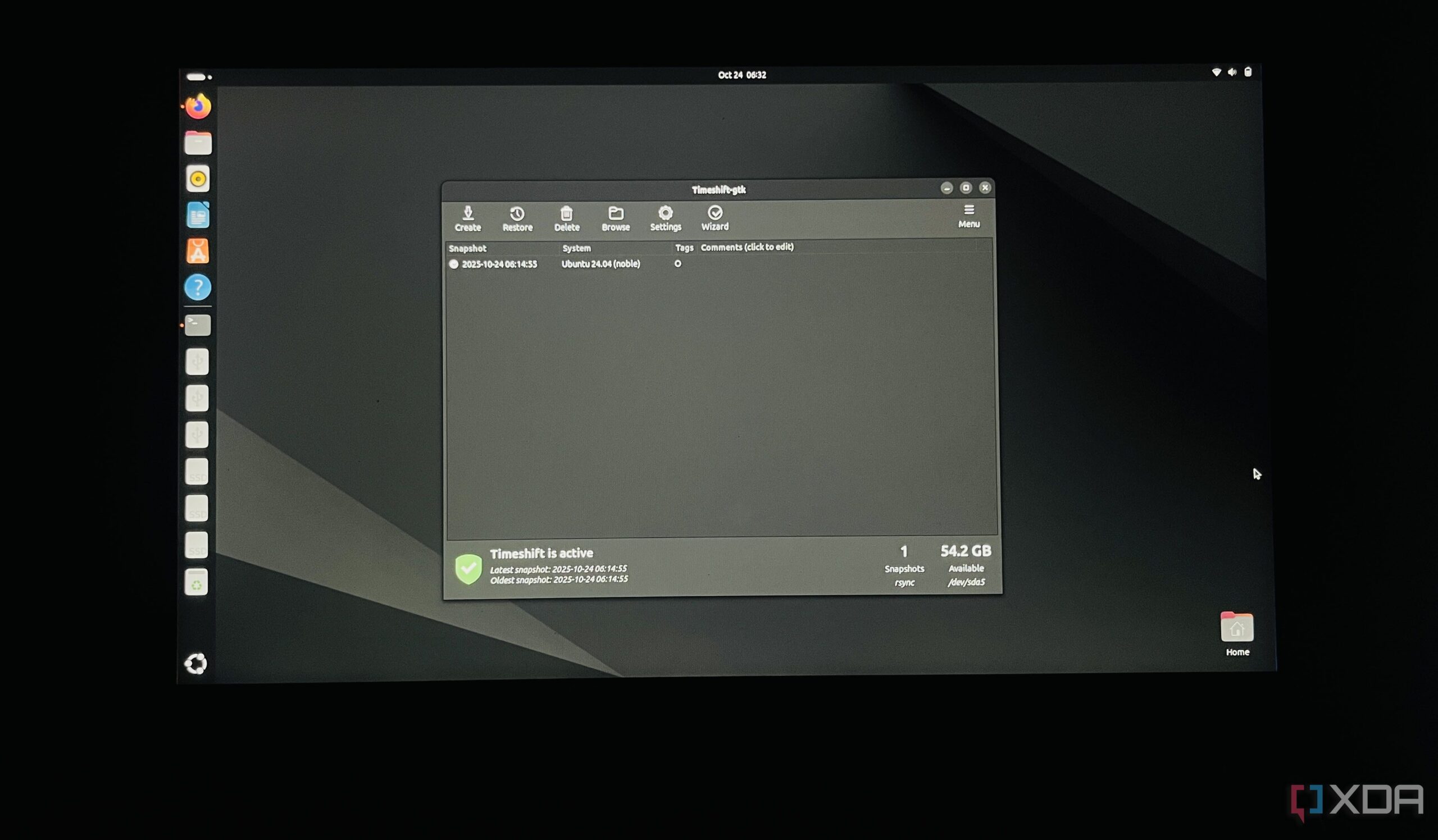
URGENT UPDATE: A revolutionary tool named Timeshift has just been launched, bringing a game-changing system restore capability to all Linux users. This innovative software allows users to create instant system snapshots, mimicking the beloved Time Machine feature found on MacOS, making it easier than ever to recover from system failures.
Timeshift is essential for anyone who frequently experiments with new kernels, distributions, or updates. With the ability to roll back to a previously saved state, Linux enthusiasts can now proceed with confidence, knowing that a simple restore can save them from potential disasters.
This powerful, free, open-source tool focuses on system-level files and configurations, ensuring that your personal files remain untouched during recovery processes. Timeshift supports two snapshot methods: RSYNC for traditional file copying and BTRFS for advanced filesystem snapshots, compatible with all major Linux distributions including Ubuntu, Linux Mint, Debian, and Arch.
Installation is straightforward. Users can get up and running in just minutes by executing a single terminal command. Before installation, ensure your system meets the following prerequisites: meson, help2man, gettext, valac, libvte-2.91-dev, libgee-0.8-dev, libjson-glib-dev, and libxapp-dev. Once these dependencies are in place, installation is rapid and seamless.
Once installed, launching Timeshift is as easy as navigating to the App menu or entering sudo timeshift-gtk in the terminal. Users can select between the RSYNC or BTRFS snapshot types, choose a snapshot location, and set a backup schedule—options include Daily, Weekly, Monthly, or at Boot.
The automatic snapshot feature allows Timeshift to work quietly in the background, creating backups based on your chosen schedule. Its incremental backup capability only saves files that have changed, making the process fast and efficient, even for those with limited storage space.
For those who experience system crashes, Timeshift can be accessed directly from Linux or even through the GRUB boot menu. The tool’s ability to restore a system to a previous state provides peace of mind for both casual users and power users alike.
However, users should be aware of some limitations. Timeshift does not back up personal files by default, which means users should consider additional backup solutions for their documents and media. Additionally, regular monitoring of restore points is essential, as repeated snapshots can consume significant disk space.
Timeshift is designed for both novice and experienced Linux users. It empowers new users to explore and experiment with their systems without fear of failure, while seasoned system administrators can tweak configurations and install unstable packages with the assurance of a reliable recovery option.
In summary, if you are a Linux user looking to enhance your system’s safety and reliability, now is the time to try Timeshift. With its robust features and easy setup, it’s poised to become an essential tool in your Linux toolkit. Don’t wait—install it today and safeguard your system against unexpected issues. Share this news with fellow Linux enthusiasts to spread the word!
Fed Chair Powell to Speak Tonight; No Monetary Policy Insights Expected

NSW Government Orders 6-Hour Shutdown of Gambling Machines

Research Sheds Light on ‘Covert Consciousness’ in Patients

Chicago Remembers Tragic Our Lady of the Angels Fire, 92 Lives Lost

Michael Jordan’s Racing Team Takes NASCAR to Court Over Antitrust Claims

Star-Studded British Independent Film Awards Celebrate Top Talent

Cyber Monday 2023: Top Deals and Discounts to Grab Now

TikTok Shop Transforms Shopping with $19 Billion in Sales

Investigating Organ Transplant Waitlist Manipulation Practices

University of Hawaiʻi Joins $25.6M AI Initiative to Monitor Disasters

Toledo City League Announces Hall of Fame Inductees for 2024

DOJ Seizes $15 Billion in Bitcoin from Major Crypto Fraud Network

Sharp Launches Five New Aquos QLED 4K Ultra HD Smart TVs

Celtics Coach Joe Mazzulla Dominates Local Media in Scrimmage

Community Unites for 7th Annual Walk to Raise Mental Health Awareness

Mutual Advisors LLC Increases Stake in SPDR Portfolio ETF

Western Executives Confront Harsh Realities of China’s Manufacturing Edge

INK Entertainment Launches Exclusive Sofia Pop-Up at Virgin Hotels
-
Science4 weeks ago
University of Hawaiʻi Joins $25.6M AI Initiative to Monitor Disasters
-
 Lifestyle2 months ago
Toledo City League Announces Hall of Fame Inductees for 2024
-
 Business2 months ago
DOJ Seizes $15 Billion in Bitcoin from Major Crypto Fraud Network
-
 Top Stories2 months ago
Sharp Launches Five New Aquos QLED 4K Ultra HD Smart TVs
-
 Sports2 months ago
Celtics Coach Joe Mazzulla Dominates Local Media in Scrimmage
-
 Health2 months ago
Community Unites for 7th Annual Walk to Raise Mental Health Awareness
-
 Politics2 months ago
Mutual Advisors LLC Increases Stake in SPDR Portfolio ETF
-
 Science2 months ago
Western Executives Confront Harsh Realities of China’s Manufacturing Edge
-
 World2 months ago
INK Entertainment Launches Exclusive Sofia Pop-Up at Virgin Hotels
-

 Politics2 months ago
Major Networks Reject Pentagon’s New Reporting Guidelines
-

 Science1 month ago
Astronomers Discover Twin Cosmic Rings Dwarfing Galaxies
-

 Top Stories1 month ago
Randi Mahomes Launches Game Day Clothing Line with Chiefs