
Top Stories
PG&E Expands Power Capacity in San Jose Amid Growing Demand

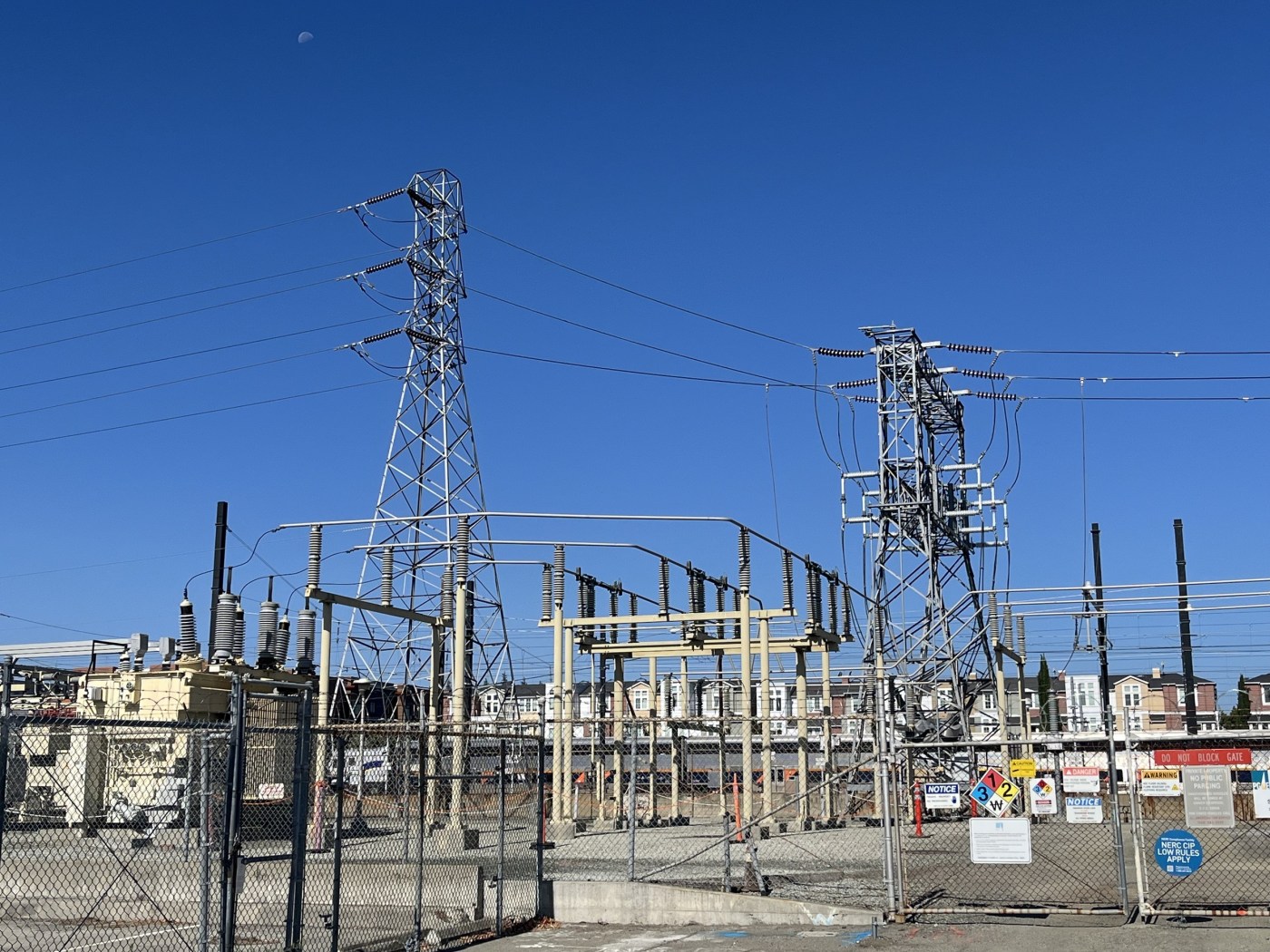
UPDATE: PG&E is accelerating its expansion plans in San Jose as electricity demand surges, with projections indicating a significant increase in the South Bay’s energy needs. During a recent interview, PG&E Chief Executive Officer Patricia Poppe announced that the utility is focusing on vital upgrades to meet the demands of the booming tech industry.
Officials predict that electricity requirements in the area will exceed current projections, pushing PG&E to enhance its infrastructure. “San Jose is very important because it has room to grow,” Poppe stated, underscoring the city’s unique ability to accommodate tech companies eager for power.
PG&E is moving forward with critical upgrades at two substations in downtown San Jose—Substation A at the intersection of South Montgomery Street and Otterson Street, and Substation B located at 260 Coleman Ave. These upgrades are crucial as the tech sector’s appetite for energy continues to soar, particularly due to an influx of data centers and electric vehicle demands.
According to PG&E Vice President Jake Zigelman, the utility anticipates that the load growth driven by the tech industry could reach approximately 2.8 gigawatts by 2040, nearly tripling the current energy usage of 1 gigawatt in San Jose. “About 20% of that projected data center load growth, or nearly 2 gigawatts, is concentrated in San Jose,” Zigelman explained.
Poppe revealed that misconceptions about PG&E’s capacity had previously hindered growth. “One of the big misunderstandings was that tech companies thought PG&E was out of power, but they were wrong about that,” she said. “Once tech companies found out we had power, they wanted to grow here.” This newfound confidence has sparked a rush for new power hubs.
As PG&E prepares to accommodate this demand, it has received inquiries for additional power capacity from various locations, including San Francisco, Sacramento, and the Central Valley. The utility is responding to a pipeline of projects requiring around 10 gigawatts of capacity, with 17 data centers totaling roughly 1.5 gigawatts already in the final engineering phase.
The implications of these developments extend beyond corporate interests. PG&E estimates that every gigawatt of new demand generated by data centers could potentially lower electricity bills for consumers by 1% to 2%. “When we share the grid with more customers, we can lower the cost for everyone,” Poppe noted.
However, not everyone is on board with PG&E’s aggressive plans. Consumer advocacy group The Utility Reform Network (TURN) has expressed concerns that data centers may drive up electric rates for California residents. “It’s essential that those costs are recovered fairly and don’t cause electric rates to increase for households who are already struggling,” said TURN Executive Director Mark Toney.
As of September, PG&E reported a decrease in monthly bills by an average of $5 for typical residential ratepayers, signaling a rare relief amid a history of rising costs.
Looking ahead, PG&E is poised to support transformative projects in the region, including Google’s proposed transit-oriented neighborhood near downtown San Jose. Poppe confirmed, “We’re ready to power major infrastructure projects like Google’s, which is why we are investing in those substations.”
With the demand for power escalating, PG&E’s strategic decisions in San Jose could have lasting impacts on the region’s economic landscape and residents’ utility costs. As the utility ramps up its efforts, all eyes will be on the forthcoming developments in this rapidly evolving energy landscape.

Fed Chair Powell to Speak Tonight; No Monetary Policy Insights Expected

NSW Government Orders 6-Hour Shutdown of Gambling Machines

Research Sheds Light on ‘Covert Consciousness’ in Patients

Chicago Remembers Tragic Our Lady of the Angels Fire, 92 Lives Lost

Michael Jordan’s Racing Team Takes NASCAR to Court Over Antitrust Claims

Star-Studded British Independent Film Awards Celebrate Top Talent

Cyber Monday 2023: Top Deals and Discounts to Grab Now

TikTok Shop Transforms Shopping with $19 Billion in Sales

Investigating Organ Transplant Waitlist Manipulation Practices

University of Hawaiʻi Joins $25.6M AI Initiative to Monitor Disasters

Toledo City League Announces Hall of Fame Inductees for 2024

DOJ Seizes $15 Billion in Bitcoin from Major Crypto Fraud Network

Sharp Launches Five New Aquos QLED 4K Ultra HD Smart TVs

Celtics Coach Joe Mazzulla Dominates Local Media in Scrimmage

Community Unites for 7th Annual Walk to Raise Mental Health Awareness

Mutual Advisors LLC Increases Stake in SPDR Portfolio ETF

Western Executives Confront Harsh Realities of China’s Manufacturing Edge

INK Entertainment Launches Exclusive Sofia Pop-Up at Virgin Hotels
-
Science4 weeks ago
University of Hawaiʻi Joins $25.6M AI Initiative to Monitor Disasters
-
 Lifestyle2 months ago
Toledo City League Announces Hall of Fame Inductees for 2024
-
 Business2 months ago
DOJ Seizes $15 Billion in Bitcoin from Major Crypto Fraud Network
-
 Top Stories2 months ago
Sharp Launches Five New Aquos QLED 4K Ultra HD Smart TVs
-
 Sports2 months ago
Celtics Coach Joe Mazzulla Dominates Local Media in Scrimmage
-
 Health2 months ago
Community Unites for 7th Annual Walk to Raise Mental Health Awareness
-
 Politics2 months ago
Mutual Advisors LLC Increases Stake in SPDR Portfolio ETF
-
 Science2 months ago
Western Executives Confront Harsh Realities of China’s Manufacturing Edge
-
 World2 months ago
INK Entertainment Launches Exclusive Sofia Pop-Up at Virgin Hotels
-

 Politics2 months ago
Major Networks Reject Pentagon’s New Reporting Guidelines
-

 Science1 month ago
Astronomers Discover Twin Cosmic Rings Dwarfing Galaxies
-

 Top Stories1 month ago
Randi Mahomes Launches Game Day Clothing Line with Chiefs