
Science
Researchers Uncover Acoustic Secrets of Inca Building in Peru

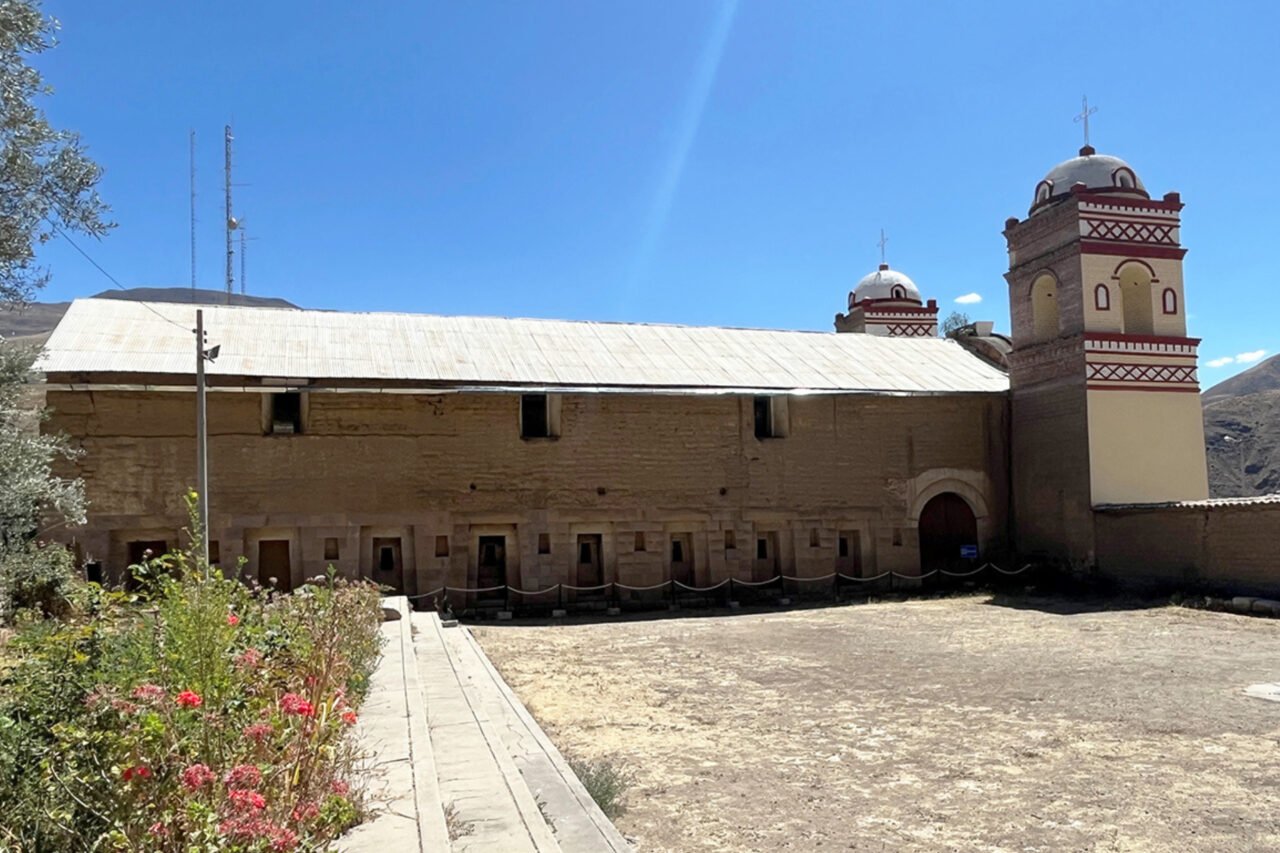
In the remote town of Huaytará, Peru, researchers are shedding light on a unique Incan structure known as the carpa uasi, revealing its potential acoustic properties. Built in the 15th century, this three-walled formation underlies the Church of San Juan Bautista and may have served a distinct purpose beyond mere stability. The ongoing study emphasizes the need to explore the less visible aspects of ancient civilizations, particularly their sonic environments.
Stella Nair, an associate professor of Indigenous arts of the Americas at the University of California, Los Angeles, leads the investigation. In an official statement, she noted, “We’re exploring the possibility that the carpa uasi may have amplified low-frequency sounds, such as drumming, with minimal reverberation.” This research aims to provide insights into what the Incas valued in their auditory experiences.
The Inca Empire, which thrived during the 15th and early 16th centuries, extended along the western coast of South America, from modern-day Ecuador to Chile. The carpa uasi, meaning “tent house,” features an open design that likely directed sound waves outward, facilitating communication and musical expression in their communities.
Nair elaborated on the architectural significance of this structure, stating, “Many people look at Inca architecture and are impressed with the stonework, but that’s just the tip of the iceberg. They were also concerned with the ephemeral, temporary and impermanent, and sound was one of those things.” This perspective highlights the importance of sound in Andean culture, suggesting that the Incas deliberately compromised some structural stability for enhanced acoustic potential.
While the carpa uasi has been known to scholars for years, Nair and her team may be the first to fully recognize its sound amplification capabilities. This remarkable structure has withstood the test of time for over 600 years, primarily due to the church built atop it, which provides necessary support.
The team is currently developing a model to demonstrate how sound would have traveled through the carpa uasi, aiming to contribute to the broader understanding of Incan architecture and culture. Nair emphasized the vital role of sound in shaping human experiences, stating, “Sound studies are really critical because we tend to emphasize the visual in how we understand the world around us, including our past.”
Incorporating sound into historical studies can significantly alter perceptions of ancient societies. By examining the acoustic features of the carpa uasi, researchers are not only expanding knowledge of Inca engineering but also enriching the narrative of how sound influenced daily life and communal activities in pre-Hispanic Peru.
This exploration serves as a reminder of the multifaceted nature of cultural heritage, encouraging a more holistic approach to understanding the lives and values of ancient civilizations. The insights gained from such research are invaluable in appreciating the complexities of human history beyond what is visually apparent.

Fire Erupts at Indigo Apartments in OKC, Residents Fearful

Arlene Hartman, Beloved Community Member, Passes at 87

Urgent: Vehicle Fire Closes Two Lanes on I-215 in Salt Lake City

Knicks Dominate Raptors 116-94 at Home, Extend Winning Streak

Hallmark’s ‘Christmas at the Catnip Café’ Premieres Tonight!

Millville Woman Arrested for Threatening U-Haul Worker with Baton

Japan’s PM Takaichi Confirms Continued Fiscal Management Strategy

Bitcoin Plummets Below $88K Amid Tether Concerns and Warnings

Designers Unveil 5 Urgent Tricks to Transform Outdoor Eyesores

University of Hawaiʻi Joins $25.6M AI Initiative to Monitor Disasters

Toledo City League Announces Hall of Fame Inductees for 2024

DOJ Seizes $15 Billion in Bitcoin from Major Crypto Fraud Network

Sharp Launches Five New Aquos QLED 4K Ultra HD Smart TVs

Celtics Coach Joe Mazzulla Dominates Local Media in Scrimmage

Mutual Advisors LLC Increases Stake in SPDR Portfolio ETF

Community Unites for 7th Annual Walk to Raise Mental Health Awareness

Western Executives Confront Harsh Realities of China’s Manufacturing Edge

INK Entertainment Launches Exclusive Sofia Pop-Up at Virgin Hotels
-
Science4 weeks ago
University of Hawaiʻi Joins $25.6M AI Initiative to Monitor Disasters
-
 Lifestyle2 months ago
Toledo City League Announces Hall of Fame Inductees for 2024
-
 Business2 months ago
DOJ Seizes $15 Billion in Bitcoin from Major Crypto Fraud Network
-
 Top Stories2 months ago
Sharp Launches Five New Aquos QLED 4K Ultra HD Smart TVs
-
 Sports2 months ago
Celtics Coach Joe Mazzulla Dominates Local Media in Scrimmage
-
 Politics2 months ago
Mutual Advisors LLC Increases Stake in SPDR Portfolio ETF
-
 Health2 months ago
Community Unites for 7th Annual Walk to Raise Mental Health Awareness
-
 Science2 months ago
Western Executives Confront Harsh Realities of China’s Manufacturing Edge
-
 World2 months ago
INK Entertainment Launches Exclusive Sofia Pop-Up at Virgin Hotels
-

 Politics2 months ago
Major Networks Reject Pentagon’s New Reporting Guidelines
-

 Science1 month ago
Astronomers Discover Twin Cosmic Rings Dwarfing Galaxies
-

 Top Stories1 month ago
Randi Mahomes Launches Game Day Clothing Line with Chiefs