
Top Stories
Full Moon May Disrupt Sleep, Neurologist Confirms Urgent Findings

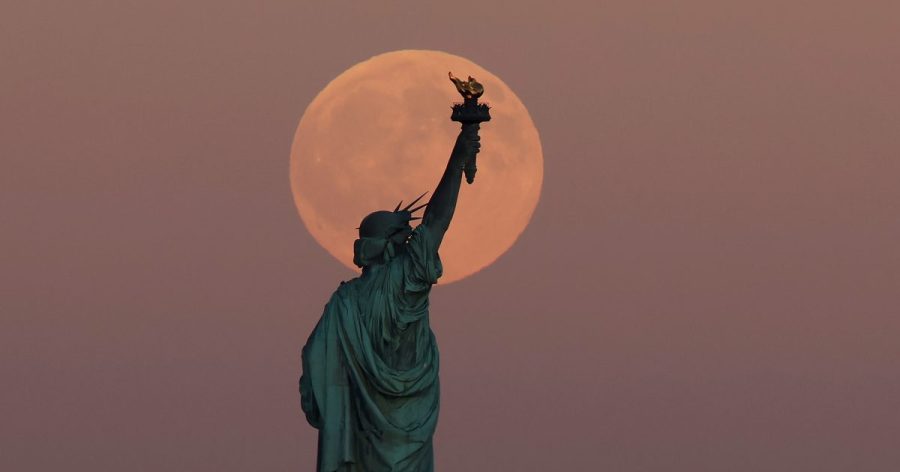
UPDATE: New findings confirm that the upcoming Harvest Supermoon on October 6, 2025, may disrupt sleep patterns for many individuals. This revelation, brought to light by a prominent neurologist specializing in sleep medicine, highlights the potential impact of the full moon on our nightly rest.
Research shows that during the days leading up to a full moon, people typically experience a decrease in sleep by approximately 20 minutes. The bright moonlight can delay the body’s internal clock, reducing melatonin levels and keeping the brain alert. This phenomenon is especially pronounced in rural areas where artificial light is minimal.
The implications are significant. While most individuals may lose 15 to 30 minutes of sleep, for those with pre-existing mental health conditions, this disruption could be far more severe. Individuals with disorders such as bipolar disorder or schizophrenia may be more vulnerable. Sleep loss has been linked to heightened anxiety, mood dips, and exacerbation of psychiatric conditions.
Despite centuries of folklore attributing mental health crises to the full moon, modern science presents a more complex picture. Large-scale studies have not confirmed a consistent link between lunar phases and psychiatric emergencies. Notably, data from India showed increased use of restraints in psychiatric hospitals during full moons, while China noted a slight rise in admissions for schizophrenia. However, these trends do not appear universally and may reflect specific cultural factors.
What’s clear is that the full moon can affect sleep, and sleep loss can influence mental health. “Even a single night of poor sleep can have serious repercussions for vulnerable individuals,” the neurologist remarked.
Moreover, as society grapples with sleep disruption, it’s essential to note that the light from sources like streetlights and screens is a far more significant disruptor than moonlight. This underscores the need to manage exposure to artificial light, especially in the evening.
Psychologists point to the phenomenon of illusory correlation to explain why many still believe in the “full moon effect.” People tend to remember unusual events that coincide with a full moon while forgetting the many nights without incident. The full moon’s visibility makes it an easy scapegoat for sleeplessness.
As the Harvest Supermoon approaches, individuals may want to prepare for potential sleep disruption. It’s crucial to prioritize a sleep-friendly environment, reducing both artificial light and stressors that can exacerbate restlessness.
In conclusion, while the full moon’s glow may not be the sole cause of sleeplessness, its influence is real and measurable. For some, this lunar event can serve as a reminder of the importance of healthy sleep habits and the need to address light exposure in our modern lives.
As the full moon rises, the world watches not only for its beauty but also for its subtle, yet impactful, effects on our sleep and mental health. Stay tuned for more updates as we continue to explore the intersection of nature and human behavior.

Urgent: Apple TV’s Cyber Monday Deal Slashes Prices Over 50%!

Astronomers Assess First-Ever Planetary Defense Test with 2024 YR4

Siblings Shine in Macy’s Thanksgiving Day Parade in NYC

U.S.-Wanted Fentanyl Kingpin Killed in Mexican Military Operation

Investors Urged to Rethink Bond Strategies in Changing Market

‘Zootopia 2’ Dominates Thanksgiving Weekend Box Office

New Research Suggests Baby Movements Can Alleviate Back Pain

Easton Launches Free Business Consulting Program with Lehigh U

Fed Chair Powell to Speak Tonight; No Monetary Policy Insights Expected

University of Hawaiʻi Joins $25.6M AI Initiative to Monitor Disasters

Toledo City League Announces Hall of Fame Inductees for 2024

DOJ Seizes $15 Billion in Bitcoin from Major Crypto Fraud Network

Sharp Launches Five New Aquos QLED 4K Ultra HD Smart TVs

Celtics Coach Joe Mazzulla Dominates Local Media in Scrimmage

Community Unites for 7th Annual Walk to Raise Mental Health Awareness

Mutual Advisors LLC Increases Stake in SPDR Portfolio ETF

Western Executives Confront Harsh Realities of China’s Manufacturing Edge

INK Entertainment Launches Exclusive Sofia Pop-Up at Virgin Hotels
-
Science4 weeks ago
University of Hawaiʻi Joins $25.6M AI Initiative to Monitor Disasters
-
 Lifestyle2 months ago
Toledo City League Announces Hall of Fame Inductees for 2024
-
 Business2 months ago
DOJ Seizes $15 Billion in Bitcoin from Major Crypto Fraud Network
-
 Top Stories2 months ago
Sharp Launches Five New Aquos QLED 4K Ultra HD Smart TVs
-
 Sports2 months ago
Celtics Coach Joe Mazzulla Dominates Local Media in Scrimmage
-
 Health2 months ago
Community Unites for 7th Annual Walk to Raise Mental Health Awareness
-
 Politics2 months ago
Mutual Advisors LLC Increases Stake in SPDR Portfolio ETF
-
 Science2 months ago
Western Executives Confront Harsh Realities of China’s Manufacturing Edge
-
 World2 months ago
INK Entertainment Launches Exclusive Sofia Pop-Up at Virgin Hotels
-

 Politics2 months ago
Major Networks Reject Pentagon’s New Reporting Guidelines
-
 Science1 month ago
Astronomers Discover Twin Cosmic Rings Dwarfing Galaxies
-

 Top Stories1 month ago
Randi Mahomes Launches Game Day Clothing Line with Chiefs