
Business
Millions Face SNAP Benefit Cuts as New Rules Take Effect

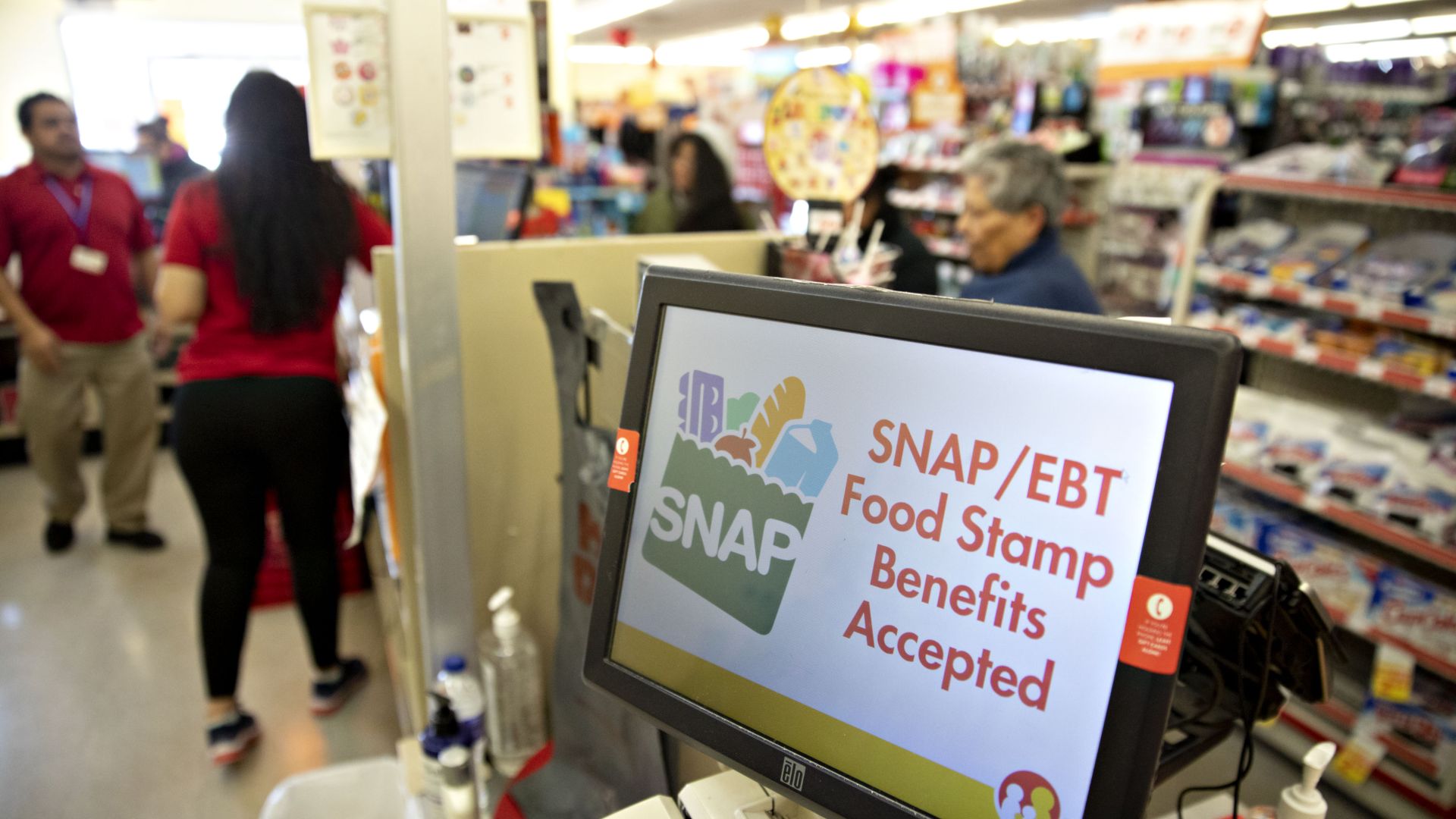
A significant shift in the Supplemental Nutrition Assistance Program (SNAP) is set to impact millions of low-income Americans. Starting on November 1, 2023, new federal and state regulations will disrupt monthly payments, potentially reducing checks by $187, delaying disbursements, or even eliminating benefits entirely. SNAP currently assists approximately 42 million people across the United States, providing crucial support for food security.
The impending changes stem from a combination of federal guidelines and state-level interpretations that aim to streamline SNAP operations. According to the U.S. Department of Agriculture (USDA), these alterations are necessary to improve program efficiency, but many advocates warn that they may inadvertently harm vulnerable populations.
Implications for Beneficiaries
The adjustments target several critical areas within the program. One major aspect involves tightening eligibility requirements, which could disqualify numerous applicants who rely on SNAP for essential food purchases. Advocates for low-income families are particularly concerned that these changes will disproportionately affect those already struggling to make ends meet.
In addition, the changes could impact the amount beneficiaries receive each month. Currently, SNAP provides an average benefit of approximately $250 per person. With the new rules, some families may see their monthly assistance reduced significantly. For example, a household of four may experience a cut of $748 annually, making it increasingly difficult for them to secure adequate nutrition.
Timeline for Implementation
The modifications come as part of a broader effort to reassess food assistance programs nationwide. Officials at the USDA emphasize that these updates are designed to ensure that funds are allocated effectively and reach those most in need. Yet, with the deadline for implementation drawing near, many individuals are left uncertain about the future of their benefits.
As November 1 approaches, state agencies are expected to ramp up communications with beneficiaries to clarify the specifics of the changes. However, many recipients are already expressing anxiety over the potential loss of support. The possibility of delayed payments adds to the uncertainty, as families may struggle to plan their budgets without clear information about their upcoming assistance.
The impact of these alterations extends beyond financial considerations. Access to nutritious food is critical for health and well-being, particularly for children and the elderly. Public health advocates warn that any reduction in SNAP benefits could exacerbate food insecurity and lead to increased health issues in affected populations.
The upcoming changes to SNAP demonstrate the complex interplay between government policy and individual livelihoods. While officials assert that the moves are necessary for program sustainability, the real-life consequences for millions remain a pressing concern. As the implementation date nears, the focus will remain on how these adjustments will affect those who rely on SNAP as a vital resource for their daily needs.

Arlene Hartman, Beloved Community Member, Passes at 87

Urgent: Vehicle Fire Closes Two Lanes on I-215 in Salt Lake City

Knicks Dominate Raptors 116-94 at Home, Extend Winning Streak

Hallmark’s ‘Christmas at the Catnip Café’ Premieres Tonight!

Millville Woman Arrested for Threatening U-Haul Worker with Baton

Japan’s PM Takaichi Confirms Continued Fiscal Management Strategy

Bitcoin Plummets Below $88K Amid Tether Concerns and Warnings

Designers Unveil 5 Urgent Tricks to Transform Outdoor Eyesores

Shark Teeth Research Reveals Urgent Need to Protect Species

University of Hawaiʻi Joins $25.6M AI Initiative to Monitor Disasters

Toledo City League Announces Hall of Fame Inductees for 2024

DOJ Seizes $15 Billion in Bitcoin from Major Crypto Fraud Network

Sharp Launches Five New Aquos QLED 4K Ultra HD Smart TVs

Celtics Coach Joe Mazzulla Dominates Local Media in Scrimmage

Mutual Advisors LLC Increases Stake in SPDR Portfolio ETF

Community Unites for 7th Annual Walk to Raise Mental Health Awareness

Western Executives Confront Harsh Realities of China’s Manufacturing Edge

Major Networks Reject Pentagon’s New Reporting Guidelines
-
Science4 weeks ago
University of Hawaiʻi Joins $25.6M AI Initiative to Monitor Disasters
-
 Lifestyle2 months ago
Toledo City League Announces Hall of Fame Inductees for 2024
-
 Business2 months ago
DOJ Seizes $15 Billion in Bitcoin from Major Crypto Fraud Network
-
 Top Stories2 months ago
Sharp Launches Five New Aquos QLED 4K Ultra HD Smart TVs
-
 Sports2 months ago
Celtics Coach Joe Mazzulla Dominates Local Media in Scrimmage
-
 Politics2 months ago
Mutual Advisors LLC Increases Stake in SPDR Portfolio ETF
-
 Health2 months ago
Community Unites for 7th Annual Walk to Raise Mental Health Awareness
-
 Science2 months ago
Western Executives Confront Harsh Realities of China’s Manufacturing Edge
-
 Politics2 months ago
Major Networks Reject Pentagon’s New Reporting Guidelines
-

 World2 months ago
INK Entertainment Launches Exclusive Sofia Pop-Up at Virgin Hotels
-

 Science1 month ago
Astronomers Discover Twin Cosmic Rings Dwarfing Galaxies
-

 Top Stories1 month ago
Randi Mahomes Launches Game Day Clothing Line with Chiefs