
World
Trump’s Icebreaker Deal Risks Future of U.S. Shipbuilding Industry

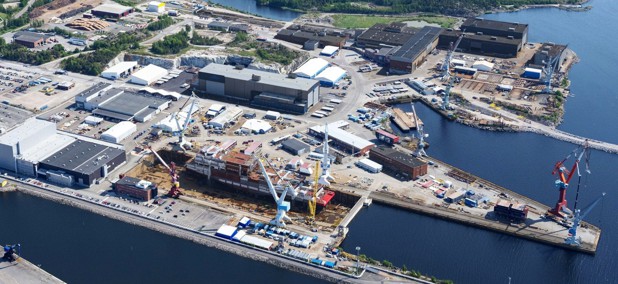
On October 9, President Donald Trump signed a memorandum of understanding with Finland concerning the construction of U.S. Coast Guard icebreakers. This agreement entails that the first four vessels will be built in Finnish shipyards, followed by seven constructed in the United States. Critics argue that this deal jeopardizes the future of American shipbuilding, a crucial sector for national security and economic stability.
The deal has sparked significant debate within the maritime community. Jerry Hendrix, who now leads the White House Shipbuilding Office, praised the arrangement as a demonstration of Trump’s negotiating skills. He suggested that this model could potentially extend to foreign construction of U.S. Navy warships. However, many see this outsourcing as a troubling precedent that could undermine a bipartisan initiative aimed at revitalizing American maritime production.
American shipbuilding has faced challenges in recent decades, with significant reductions in government support leading to a decline in both commercial shipping and naval construction capabilities. The consequences of these policies are evident today, as the United States grapples with a diminished maritime industry compared to its strength during World War II.
Concerns Over Outsourcing
The historical context serves as a reminder of the importance of maintaining a robust domestic shipbuilding capacity. During the Battle of Midway, Admiral Chester Nimitz made a decisive move by committing nearly all of the Pacific Fleet to confront a superior Japanese force. His ability to take such risks was predicated on the knowledge that American shipyards were capable of rapidly replenishing losses. This strategic advantage, however, is at risk if the U.S. continues to outsource naval construction.
The current administration’s agreement with Finland is being criticized for potentially undermining the progress made in reinvigorating the U.S. shipbuilding industry. Outsourcing naval production not only raises questions about the security of U.S. military designs but also places American interests at the mercy of foreign shipyards, many of which are within range of hostile nations.
Moreover, the business implications of such a decision cannot be overlooked. By allowing foreign shipbuilders to secure contracts for U.S. government projects, the United States may be diminishing its leverage to attract investment in domestic shipyards. A more prudent strategy would require foreign companies to establish operations in the U.S., ensuring that any outsourced work contributes to long-term domestic growth.
Upcoming Trade Opportunities
The timing of this deal coincides with significant diplomatic engagement between the United States and South Korea. At the upcoming Asia Pacific Economic Community summit, President Trump is expected to finalize discussions with South Korean officials regarding a proposal that aims to bolster American shipbuilding. The “Make American Shipbuilding Great Again” initiative includes a commitment of $150 billion in loans and guarantees to encourage South Korean investments in U.S. shipyards.
This initiative does not rely on outsourcing, aligning more closely with U.S. laws that mandate domestic construction of warships. Critics argue that the icebreaker agreement sets a troubling precedent that could undermine these more favorable negotiations. President Trump’s previous remarks with South Korean President Moon Jae-in appeared to hint at a willingness to consider outsourcing, raising concerns that this could derail the potential for increased investment.
As the summit approaches, the implications of the icebreaker deal loom large. If the administration continues down the path of outsourcing, it risks squandering an opportunity for significant growth in the American maritime sector. A more strategic approach would emphasize domestic production and long-term partnerships with allied shipbuilders, ensuring that the U.S. maintains its naval capabilities and economic interests.
In conclusion, the challenges facing America’s shipbuilding industry are complex and multifaceted. The decision to outsource icebreaker production may provide short-term benefits but could ultimately hinder the revitalization of a foundational American industry. A commitment to domestic shipbuilding, supported by foreign investment, is essential for the future of U.S. maritime power.

Hallmark’s ‘Christmas at the Catnip Café’ Premieres Tonight!

Millville Woman Arrested for Threatening U-Haul Worker with Baton

Japan’s PM Takaichi Confirms Continued Fiscal Management Strategy

Bitcoin Plummets Below $88K Amid Tether Concerns and Warnings

Designers Unveil 5 Urgent Tricks to Transform Outdoor Eyesores

Shark Teeth Research Reveals Urgent Need to Protect Species

Church Members Unite in Resilience After Thanksgiving Fire

Community Unites to Attempt World Record for Largest Cookie Exchange

Mayor Lurie Appoints Alan Wong to District 4 Seat Amid Controversy

University of Hawaiʻi Joins $25.6M AI Initiative to Monitor Disasters

Toledo City League Announces Hall of Fame Inductees for 2024

DOJ Seizes $15 Billion in Bitcoin from Major Crypto Fraud Network

Sharp Launches Five New Aquos QLED 4K Ultra HD Smart TVs

Celtics Coach Joe Mazzulla Dominates Local Media in Scrimmage

Community Unites for 7th Annual Walk to Raise Mental Health Awareness

Mutual Advisors LLC Increases Stake in SPDR Portfolio ETF

Western Executives Confront Harsh Realities of China’s Manufacturing Edge

INK Entertainment Launches Exclusive Sofia Pop-Up at Virgin Hotels
-
Science4 weeks ago
University of Hawaiʻi Joins $25.6M AI Initiative to Monitor Disasters
-
 Lifestyle2 months ago
Toledo City League Announces Hall of Fame Inductees for 2024
-
 Business2 months ago
DOJ Seizes $15 Billion in Bitcoin from Major Crypto Fraud Network
-
 Top Stories2 months ago
Sharp Launches Five New Aquos QLED 4K Ultra HD Smart TVs
-
 Sports2 months ago
Celtics Coach Joe Mazzulla Dominates Local Media in Scrimmage
-
 Health2 months ago
Community Unites for 7th Annual Walk to Raise Mental Health Awareness
-
 Politics2 months ago
Mutual Advisors LLC Increases Stake in SPDR Portfolio ETF
-
 Science2 months ago
Western Executives Confront Harsh Realities of China’s Manufacturing Edge
-
 World2 months ago
INK Entertainment Launches Exclusive Sofia Pop-Up at Virgin Hotels
-

 Politics2 months ago
Major Networks Reject Pentagon’s New Reporting Guidelines
-

 Science1 month ago
Astronomers Discover Twin Cosmic Rings Dwarfing Galaxies
-

 Top Stories1 month ago
Randi Mahomes Launches Game Day Clothing Line with Chiefs