
Health
Immigration Enforcement Disrupts Health Care Access in Chicago

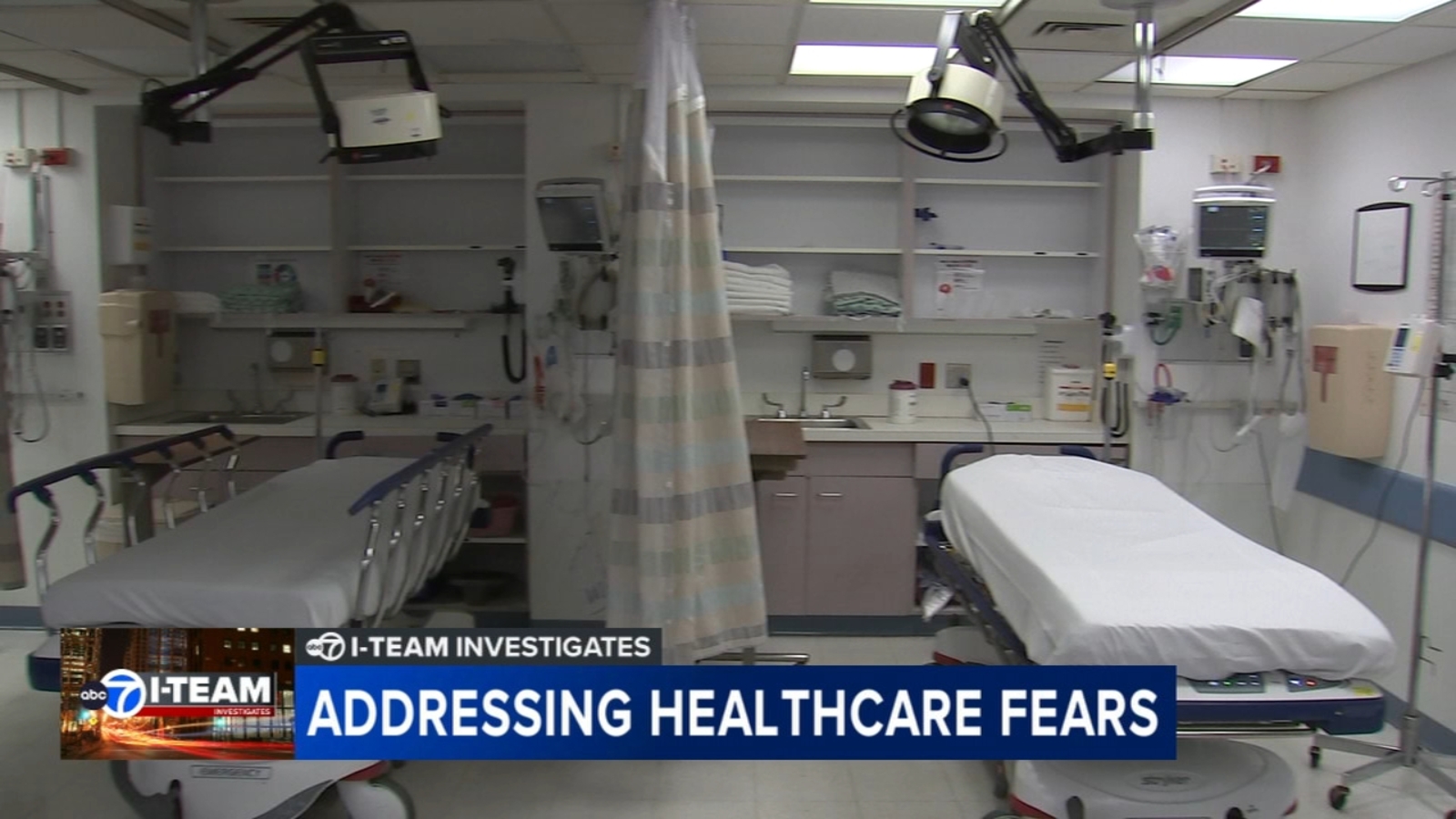
Immigration enforcement is significantly impacting access to essential health care in Chicago, with many health safety net organizations reporting alarming trends. Providers indicate that missed appointments have surged, leaving immigrant communities hesitant to seek treatment, even for serious health issues. This has created a climate of fear that health care providers are striving to alleviate.
Steph Willding, CEO of CommunityHealth, expressed concern about the anxiety experienced by many individuals. “They don’t necessarily want to travel even a few blocks to come and get health care because they’re worried they’ll never go home again,” Willding stated. This fear is a barrier to accessing necessary medical services, placing vulnerable populations at greater risk.
Health care facilities like Humboldt Park Health and Cook County Health are witnessing the dire consequences of this environment. According to Jose Sanchez, President and CEO of Humboldt Park Health, the health profile of their community is deteriorating. “I’m extremely concerned, because the health profile of this community is worse off than other affluent communities,” he explained. Many residents suffer from chronic conditions requiring consistent medical attention, and delays in care can lead to worsening health outcomes.
One particularly troubling case highlighted by Dr. Erik Mikaitis, CEO of Cook County Health, involved an undocumented patient undergoing treatment for prostate cancer. The patient expressed his fear by requesting that his medical records be erased, illustrating the desperate measures some are taking to avoid potential immigration enforcement.
Rising No-Show Rates Highlight the Crisis
At Humboldt Park Health, located in a predominantly Latino area of Chicago, no-show rates for appointments have dramatically increased. “Our no-show rate in the clinics definitely doubled. In some clinics, it even tripled,” said Dr. Dagoberto Camacho, Chief Medical Officer at Humboldt Park Health. This escalation in missed appointments underscores the growing reluctance to seek preventive and primary care services.
In response to these challenges, Cook County Health is prioritizing patient safety and privacy. “We’ve spent the better part of this year really training up our team so they feel informed and empowered,” Dr. Mikaitis noted. While no incidents of immigration enforcement have occurred within their facilities so far, the organization remains vigilant, preparing for any potential future threats.
To combat the fear surrounding in-person visits, health care providers are implementing solutions such as offering free transportation to clinics and facilitating telehealth services. Willding reported a remarkable increase in remote consultations, stating, “We’ve actually seen in the month of October, a 733% increase in telehealth.” This shift aims to provide continuous care while addressing safety concerns.
Community Outreach and Legislative Efforts
Health care institutions are actively encouraging patients to continue seeking necessary treatment. Camacho urged the community not to give up on their health. “Don’t let this be a reason why you’re not coming to receive your care here at Humboldt Park Health. We’re here. We speak your language, we understand your culture,” he affirmed.
In light of ongoing concerns, new legislation has been proposed in Springfield to establish guidelines for health care facilities on how to manage potential immigration operations. This move aims to create a safer environment for patients, ensuring they can seek medical attention without fear of repercussions.
The situation in Chicago reflects a broader national issue regarding the intersection of immigration policy and health care access. As providers work to support their communities, the challenge remains to eliminate the climate of fear that prevents individuals from receiving critical medical care.

ECB Confirms Interest Rates Remain Steady Ahead of Year-End

Rolette Record Transitions to New Ownership in Cando Deal

Reverend Thomas Perry Resigns Amid Controversy Over Conduct

University of Arizona Researchers Discover Key to Preventing Scar Tissue

Missouri Sports Betting Launches Amid Ongoing Scandals

Four Arrested in Australia for Alleged International Child Abuse Ring

Rolette Record Sold to Cando Men: Major Change in Local Media

Marsh & McLennan Faces Challenges as Stock Underperforms Financial Sector

Fire Erupts at Indigo Apartments in OKC, Residents Fearful

University of Hawaiʻi Joins $25.6M AI Initiative to Monitor Disasters

Toledo City League Announces Hall of Fame Inductees for 2024

DOJ Seizes $15 Billion in Bitcoin from Major Crypto Fraud Network

Sharp Launches Five New Aquos QLED 4K Ultra HD Smart TVs

Celtics Coach Joe Mazzulla Dominates Local Media in Scrimmage

Mutual Advisors LLC Increases Stake in SPDR Portfolio ETF

Community Unites for 7th Annual Walk to Raise Mental Health Awareness

Western Executives Confront Harsh Realities of China’s Manufacturing Edge

INK Entertainment Launches Exclusive Sofia Pop-Up at Virgin Hotels
-
Science4 weeks ago
University of Hawaiʻi Joins $25.6M AI Initiative to Monitor Disasters
-
 Lifestyle2 months ago
Toledo City League Announces Hall of Fame Inductees for 2024
-
 Business2 months ago
DOJ Seizes $15 Billion in Bitcoin from Major Crypto Fraud Network
-
 Top Stories2 months ago
Sharp Launches Five New Aquos QLED 4K Ultra HD Smart TVs
-
 Sports2 months ago
Celtics Coach Joe Mazzulla Dominates Local Media in Scrimmage
-
 Politics2 months ago
Mutual Advisors LLC Increases Stake in SPDR Portfolio ETF
-
 Health2 months ago
Community Unites for 7th Annual Walk to Raise Mental Health Awareness
-
 Science2 months ago
Western Executives Confront Harsh Realities of China’s Manufacturing Edge
-
 World2 months ago
INK Entertainment Launches Exclusive Sofia Pop-Up at Virgin Hotels
-

 Politics2 months ago
Major Networks Reject Pentagon’s New Reporting Guidelines
-

 Science1 month ago
Astronomers Discover Twin Cosmic Rings Dwarfing Galaxies
-

 Top Stories1 month ago
Randi Mahomes Launches Game Day Clothing Line with Chiefs