
Science
New Research Confirms Tiny T. rex Relative as Distinct Species

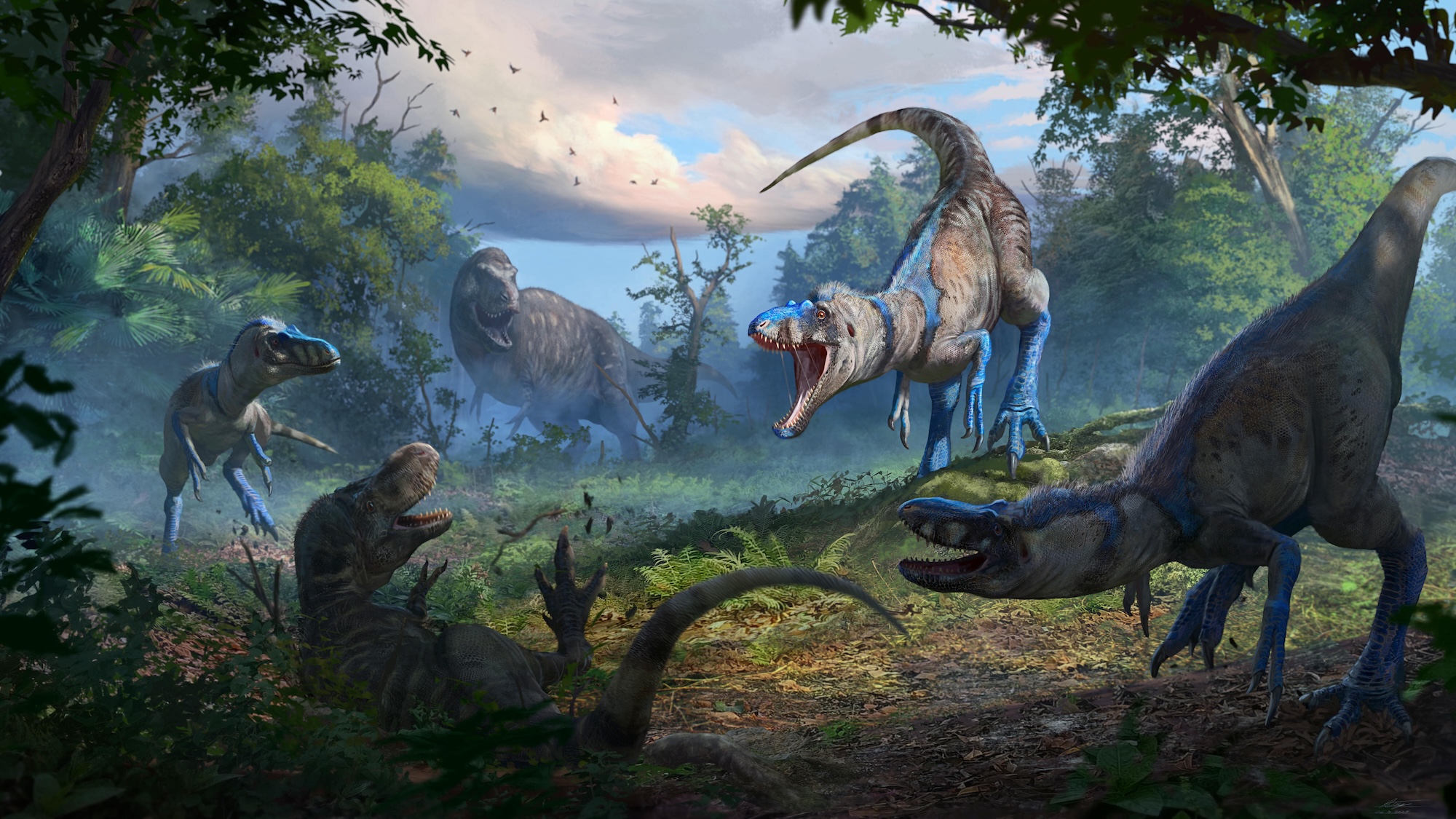
Paleontologists have concluded that a small dinosaur previously thought to be a juvenile *Tyrannosaurus rex* is actually a distinct species. Research conducted by scientists from North Carolina State University and Ohio University provides compelling evidence that the creature known as *Nanotyrannus lancensis* was a separate, smaller relative of the iconic predator, marking a significant shift in understanding of Cretaceous dinosaur diversity.
The debate surrounding the classification of *Nanotyrannus* has persisted for decades. Initial discoveries of a small skull in 1946 from the fossil-rich Hell Creek Formation in Montana sparked contention among experts. While some initially categorized the skull as belonging to a species of Gorgosaurus, others argued it represented a distinct genus of tyrannosaurid. The implications of this classification were considerable—if *Nanotyrannus* were a separate species, it would challenge the long-held notion that *T. rex* was the only prominent tyrannosauroid in North America during the late Cretaceous period.
New Findings from the Hell Creek Formation
The recent study, published on October 30, 2023, in the journal *Nature*, offers fresh insights into *Nanotyrannus*. Paleontologists Lindsay Zanno and Lawrence Witmer led a team that unearthed a remarkably preserved, complete specimen during a field expedition. Their examination of the approximately 67-million-year-old remains confirmed that both this new find and the original 1946 skull belong to the same genus.
Key to the researchers’ conclusions was the age and morphology of the new specimen. The analysis indicated that its bones were nearly fully grown, suggesting it was not a juvenile as previously thought. Further modeling revealed distinct bone-growth patterns in *Nanotyrannus* compared to *T. rex*. This evidence led the authors to propose that the *Nanotyrannus* genus contains at least two species: *Nanotyrannus lancensis* and *Nanotyrannus lethaeus*.
Implications for Dinosaur Diversity
In stark contrast to *T. rex*, which could grow over 42 feet long and weigh more than nine tons, *Nanotyrannus* reached only about 18 feet in length and weighed approximately 1,550 pounds. While *T. rex* evolved with robust limbs and a powerful bite, *Nanotyrannus* developed longer legs and stronger arms, making it an agile predator capable of swift ambush tactics.
The confirmation of *Nanotyrannus* as a distinct species suggests that *T. rex* had contemporaries in North America for at least one million years leading up to the Cretaceous-Paleogene extinction event. This finding challenges previous assumptions that dinosaurs were in decline prior to their mass extinction and underscores the diversity within dinosaur ecosystems.
“Our results undermine a nearly uniform consensus among theropod specialists and rectify a significant taxonomic error underpinning decades of research,” Zanno and Witmer stated. “The impact is beyond our ability to summarize here.”
The research not only clarifies the classification of *Nanotyrannus* but also enriches the narrative of dinosaur evolution during a critical period. As paleontologists continue to explore the complexities of these ancient creatures, each discovery reshapes our understanding of their world.

Arlene Hartman, Beloved Community Member, Passes at 87

Urgent: Vehicle Fire Closes Two Lanes on I-215 in Salt Lake City

Knicks Dominate Raptors 116-94 at Home, Extend Winning Streak

Hallmark’s ‘Christmas at the Catnip Café’ Premieres Tonight!

Millville Woman Arrested for Threatening U-Haul Worker with Baton

Japan’s PM Takaichi Confirms Continued Fiscal Management Strategy

Bitcoin Plummets Below $88K Amid Tether Concerns and Warnings

Designers Unveil 5 Urgent Tricks to Transform Outdoor Eyesores

Shark Teeth Research Reveals Urgent Need to Protect Species

University of Hawaiʻi Joins $25.6M AI Initiative to Monitor Disasters

Toledo City League Announces Hall of Fame Inductees for 2024

DOJ Seizes $15 Billion in Bitcoin from Major Crypto Fraud Network

Sharp Launches Five New Aquos QLED 4K Ultra HD Smart TVs

Celtics Coach Joe Mazzulla Dominates Local Media in Scrimmage

Mutual Advisors LLC Increases Stake in SPDR Portfolio ETF

Community Unites for 7th Annual Walk to Raise Mental Health Awareness

Western Executives Confront Harsh Realities of China’s Manufacturing Edge

Major Networks Reject Pentagon’s New Reporting Guidelines
-
Science4 weeks ago
University of Hawaiʻi Joins $25.6M AI Initiative to Monitor Disasters
-
 Lifestyle2 months ago
Toledo City League Announces Hall of Fame Inductees for 2024
-
 Business2 months ago
DOJ Seizes $15 Billion in Bitcoin from Major Crypto Fraud Network
-
 Top Stories2 months ago
Sharp Launches Five New Aquos QLED 4K Ultra HD Smart TVs
-
 Sports2 months ago
Celtics Coach Joe Mazzulla Dominates Local Media in Scrimmage
-
 Politics2 months ago
Mutual Advisors LLC Increases Stake in SPDR Portfolio ETF
-
 Health2 months ago
Community Unites for 7th Annual Walk to Raise Mental Health Awareness
-
 Science2 months ago
Western Executives Confront Harsh Realities of China’s Manufacturing Edge
-
 Politics2 months ago
Major Networks Reject Pentagon’s New Reporting Guidelines
-

 World2 months ago
INK Entertainment Launches Exclusive Sofia Pop-Up at Virgin Hotels
-

 Science1 month ago
Astronomers Discover Twin Cosmic Rings Dwarfing Galaxies
-

 Top Stories1 month ago
Randi Mahomes Launches Game Day Clothing Line with Chiefs