
Business
Evaluating Trump’s First Nine Months: A Comparative Analysis

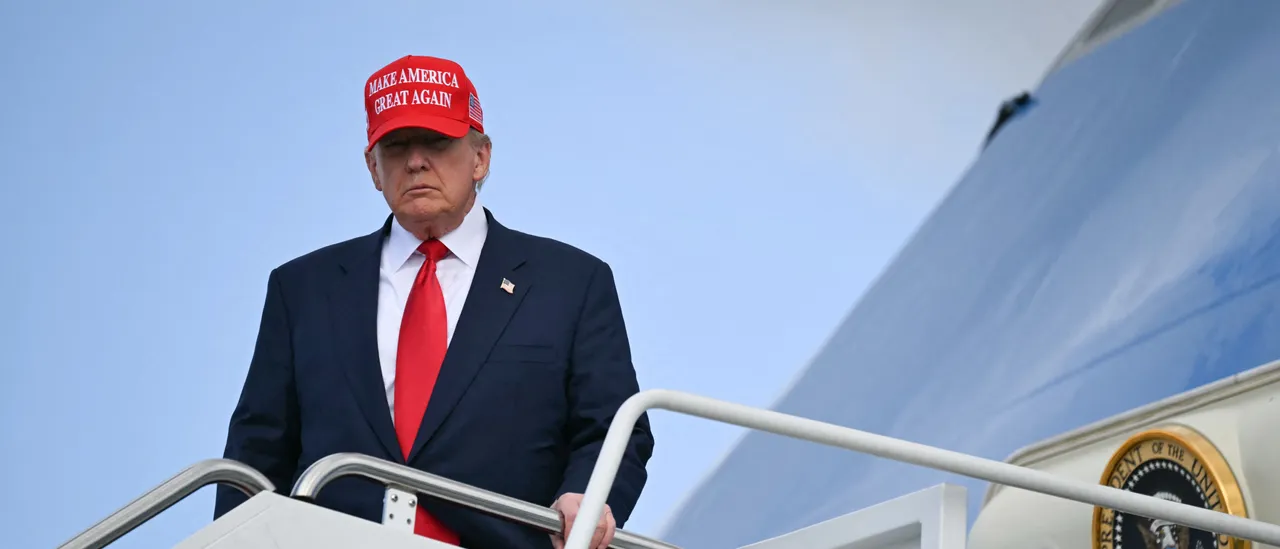
The first nine months of Donald Trump’s second term, commencing on January 20, 2025, have sparked significant debate regarding the state of the United States compared to the previous administration under Joe Biden. Analysts, including Victor Davis Hanson, emphasize the importance of evaluating tangible data and facts rather than the tumultuous political landscape that often dominates headlines.
In terms of border control, the situation has seen a dramatic shift. Under Biden, the U.S. recorded over seven million illegal entries during his tenure, marking a significant increase in undocumented immigration. In contrast, Trump’s administration has reportedly led to the deportation or self-deportation of approximately two million individuals within just nine months. The current rate of illegal crossings has reached its lowest level since 1970, a notable achievement for the present administration.
Energy policy also reveals stark differences. Gas prices averaged $3.19 per gallon during Trump’s initial months, slightly lower than Biden’s average of $3.30 in 2024. Furthermore, oil production has increased under Trump, averaging 13.5 million barrels per day compared to Biden’s 12.3 million barrels. The U.S. Strategic Petroleum Reserve has seen a slight recovery, with levels rising from 394 million barrels at the end of Biden’s term to 406 million barrels.
Economic indicators present a mixed picture. Biden’s administration averaged 2.9 percent GDP growth annually, while Trump’s second quarter of 2025 indicated a growth rate of 3.8 percent. Inflation rates also diverge significantly; Trump has maintained an average inflation rate of approximately 3 percent compared to an average of 5.3 percent during Biden’s four years, which collectively saw an increase of 21.4 percent.
Military recruitment and defense readiness further highlight the contrasting approaches of the two administrations. Under Biden, the military faced a shortfall of around 41,000 recruits in 2023, whereas all branches of the military have reportedly met or exceeded their recruitment goals during Trump’s current term. NATO’s commitment to defense spending has also strengthened, with the number of member nations meeting the 2 percent GDP target rising from 23 in 2024 to a projected 31 in 2025.
In the realm of international relations, the situation in the Middle East has seen significant turmoil during Biden’s presidency, marked by the escalation of conflicts involving Israel and Iran. The Biden administration’s approach, which included lifting sanctions on Iran, has led to increased tensions and a potential nuclear threat. In contrast, Trump’s previous term was characterized by a reduction in major conflicts, including the weakening of ISIS and the establishment of the Abraham Accords, which aimed to foster peace in the region.
The aftermath of the chaotic withdrawal from Afghanistan in August 2021 remains a critical point of discussion, with many citing the event as a significant failure of the Biden administration. The abrupt exit resulted in chaos, loss of lives, and a substantial compromise of U.S. deterrence capabilities. In stark contrast, a sense of tentative calm has emerged in the Middle East following Trump’s assertive policies.
Despite the ongoing political drama surrounding Trump’s presidency, including executive orders that have sparked outrage among critics, public opinion appears to favor several of his initiatives. Polls indicate significant support for measures aimed at combating drug trafficking and addressing concerns around gender issues in sports.
As the political landscape continues to evolve, the focus on factual data and concrete policy outcomes remains crucial. While the media often highlights sensational stories, the underlying trends suggest a narrative of recovery and progress that contrasts sharply with the perceived failures of the recent past.

Fire Erupts at Indigo Apartments in OKC, Residents Fearful

Arlene Hartman, Beloved Community Member, Passes at 87

Urgent: Vehicle Fire Closes Two Lanes on I-215 in Salt Lake City

Knicks Dominate Raptors 116-94 at Home, Extend Winning Streak

Hallmark’s ‘Christmas at the Catnip Café’ Premieres Tonight!

Millville Woman Arrested for Threatening U-Haul Worker with Baton

Japan’s PM Takaichi Confirms Continued Fiscal Management Strategy

Bitcoin Plummets Below $88K Amid Tether Concerns and Warnings

Designers Unveil 5 Urgent Tricks to Transform Outdoor Eyesores

University of Hawaiʻi Joins $25.6M AI Initiative to Monitor Disasters

Toledo City League Announces Hall of Fame Inductees for 2024

DOJ Seizes $15 Billion in Bitcoin from Major Crypto Fraud Network

Sharp Launches Five New Aquos QLED 4K Ultra HD Smart TVs

Celtics Coach Joe Mazzulla Dominates Local Media in Scrimmage

Mutual Advisors LLC Increases Stake in SPDR Portfolio ETF

Community Unites for 7th Annual Walk to Raise Mental Health Awareness

Western Executives Confront Harsh Realities of China’s Manufacturing Edge

INK Entertainment Launches Exclusive Sofia Pop-Up at Virgin Hotels
-
Science4 weeks ago
University of Hawaiʻi Joins $25.6M AI Initiative to Monitor Disasters
-
 Lifestyle2 months ago
Toledo City League Announces Hall of Fame Inductees for 2024
-
 Business2 months ago
DOJ Seizes $15 Billion in Bitcoin from Major Crypto Fraud Network
-
 Top Stories2 months ago
Sharp Launches Five New Aquos QLED 4K Ultra HD Smart TVs
-
 Sports2 months ago
Celtics Coach Joe Mazzulla Dominates Local Media in Scrimmage
-
 Politics2 months ago
Mutual Advisors LLC Increases Stake in SPDR Portfolio ETF
-
 Health2 months ago
Community Unites for 7th Annual Walk to Raise Mental Health Awareness
-
 Science2 months ago
Western Executives Confront Harsh Realities of China’s Manufacturing Edge
-
 World2 months ago
INK Entertainment Launches Exclusive Sofia Pop-Up at Virgin Hotels
-

 Politics2 months ago
Major Networks Reject Pentagon’s New Reporting Guidelines
-

 Science1 month ago
Astronomers Discover Twin Cosmic Rings Dwarfing Galaxies
-

 Top Stories1 month ago
Randi Mahomes Launches Game Day Clothing Line with Chiefs