
Science
Neuroscientists Explore Memory Manipulation to Heal Trauma

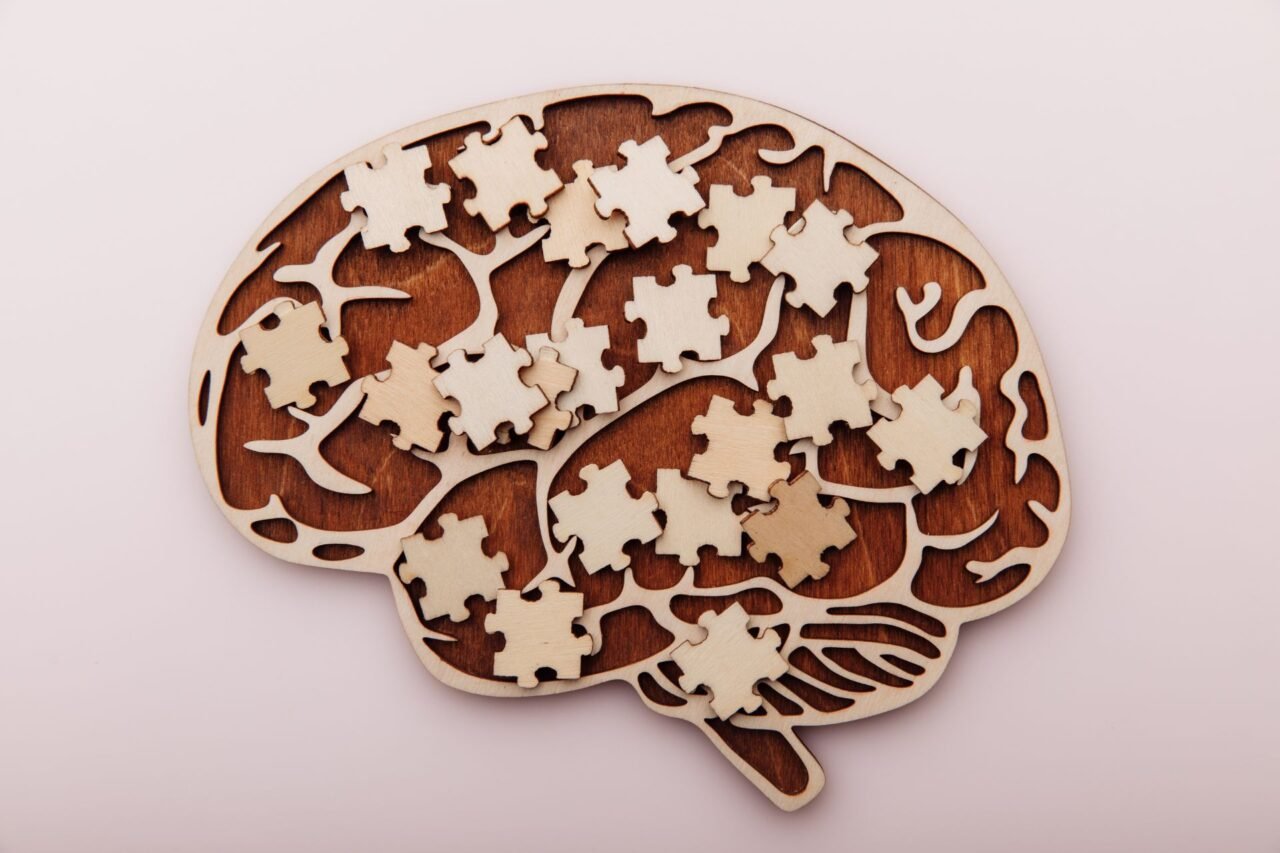
Recent advances in neuroscience are pushing the boundaries of our understanding of memory, revealing its surprising malleability. Researchers, including prominent neuroscientist Steve Ramirez from the Massachusetts Institute of Technology (MIT), are investigating how memories can be manipulated, with the potential to alleviate trauma and enhance well-being. His new book, How to Change a Memory: One Neuroscientist’s Quest to Alter the Past, is set to be published by Princeton University Press on November 4, 2023.
Decades of research have uncovered that our memories are not static records of the past. Instead, every time we recall a memory, we might inadvertently alter it. This phenomenon can lead to the creation of false memories, which have been implicated in various moral panics and wrongful convictions. Yet, Ramirez and other neuroscientists are now exploring the positive aspects of this memory fluidity, asking whether it is possible to implant positive memories or diminish the emotional weight of negative ones.
In 2012, while a PhD student at MIT, Ramirez and his research partner, Xu Liu, demonstrated that they could implant a false memory in lab mice. This groundbreaking research laid the foundation for the rapidly evolving field of memory manipulation. As Ramirez notes, what began as one study has now expanded into a vibrant area of research with numerous projects focused on understanding and manipulating memory.
Memory Research in the Modern Era
The progress made in memory research over the past decade is staggering. Ramirez reflects on a recent conference in Ireland, which attracted hundreds of researchers dedicated to the topic. He describes the current landscape as a “mini-renaissance” in memory research, with new techniques and concepts emerging continuously. The ability to restore memories in patients suffering from conditions like amnesia and Alzheimer’s disease is becoming increasingly feasible. There are also promising applications for activating positive memories in individuals facing challenges such as depression and anxiety.
As this field advances, ethical considerations surrounding memory manipulation are becoming paramount. Ramirez emphasizes the need for transparent discussions involving scientists, ethicists, and the public. He believes that engaging a diverse audience is essential to ensure that memory manipulation serves the greater good while safeguarding against potential misuse.
Connecting Science and Humanity
Through his book, Ramirez seeks to merge the scientific and personal aspects of memory research. He shares his journey, detailing the impact of Liu’s untimely death on his work and perspective. “I wanted to infuse that voice in it as much as possible, so that it could be as authentic as possible,” he explains. This personal narrative complements the scientific exploration, providing a fuller picture of what it means to engage in groundbreaking research.
Readers can expect to gain not just knowledge about the intricacies of memory but also an appreciation for the emotional experiences that shape scientific discovery. Ramirez hopes that his work will inspire a deeper understanding of memory as a tool for healing. He posits that by valuing our memories, we can foster connections and empathy among individuals, ultimately promoting human flourishing.
In conclusion, as the field of memory manipulation continues to evolve, the potential therapeutic applications are vast. Ramirez advocates for a framework that prioritizes health restoration while navigating the ethical complexities involved. As he states, “If health restoration is the goal, then we can at least begin to work with that kind of similar infrastructure.” With the release of How to Change a Memory, Ramirez invites readers to reflect on their own memories and consider the profound impact they have on our lives.

Fire Erupts at Indigo Apartments in OKC, Residents Fearful

Arlene Hartman, Beloved Community Member, Passes at 87

Urgent: Vehicle Fire Closes Two Lanes on I-215 in Salt Lake City

Knicks Dominate Raptors 116-94 at Home, Extend Winning Streak

Hallmark’s ‘Christmas at the Catnip Café’ Premieres Tonight!

Millville Woman Arrested for Threatening U-Haul Worker with Baton

Japan’s PM Takaichi Confirms Continued Fiscal Management Strategy

Bitcoin Plummets Below $88K Amid Tether Concerns and Warnings

Designers Unveil 5 Urgent Tricks to Transform Outdoor Eyesores

University of Hawaiʻi Joins $25.6M AI Initiative to Monitor Disasters

Toledo City League Announces Hall of Fame Inductees for 2024

DOJ Seizes $15 Billion in Bitcoin from Major Crypto Fraud Network

Sharp Launches Five New Aquos QLED 4K Ultra HD Smart TVs

Celtics Coach Joe Mazzulla Dominates Local Media in Scrimmage

Mutual Advisors LLC Increases Stake in SPDR Portfolio ETF

Community Unites for 7th Annual Walk to Raise Mental Health Awareness

Western Executives Confront Harsh Realities of China’s Manufacturing Edge

INK Entertainment Launches Exclusive Sofia Pop-Up at Virgin Hotels
-
Science4 weeks ago
University of Hawaiʻi Joins $25.6M AI Initiative to Monitor Disasters
-
 Lifestyle2 months ago
Toledo City League Announces Hall of Fame Inductees for 2024
-
 Business2 months ago
DOJ Seizes $15 Billion in Bitcoin from Major Crypto Fraud Network
-
 Top Stories2 months ago
Sharp Launches Five New Aquos QLED 4K Ultra HD Smart TVs
-
 Sports2 months ago
Celtics Coach Joe Mazzulla Dominates Local Media in Scrimmage
-
 Politics2 months ago
Mutual Advisors LLC Increases Stake in SPDR Portfolio ETF
-
 Health2 months ago
Community Unites for 7th Annual Walk to Raise Mental Health Awareness
-
 Science2 months ago
Western Executives Confront Harsh Realities of China’s Manufacturing Edge
-
 World2 months ago
INK Entertainment Launches Exclusive Sofia Pop-Up at Virgin Hotels
-

 Politics2 months ago
Major Networks Reject Pentagon’s New Reporting Guidelines
-

 Science1 month ago
Astronomers Discover Twin Cosmic Rings Dwarfing Galaxies
-

 Top Stories1 month ago
Randi Mahomes Launches Game Day Clothing Line with Chiefs