
Top Stories
Researchers Unveil New Sensors to Revolutionize Nuclear Monitoring

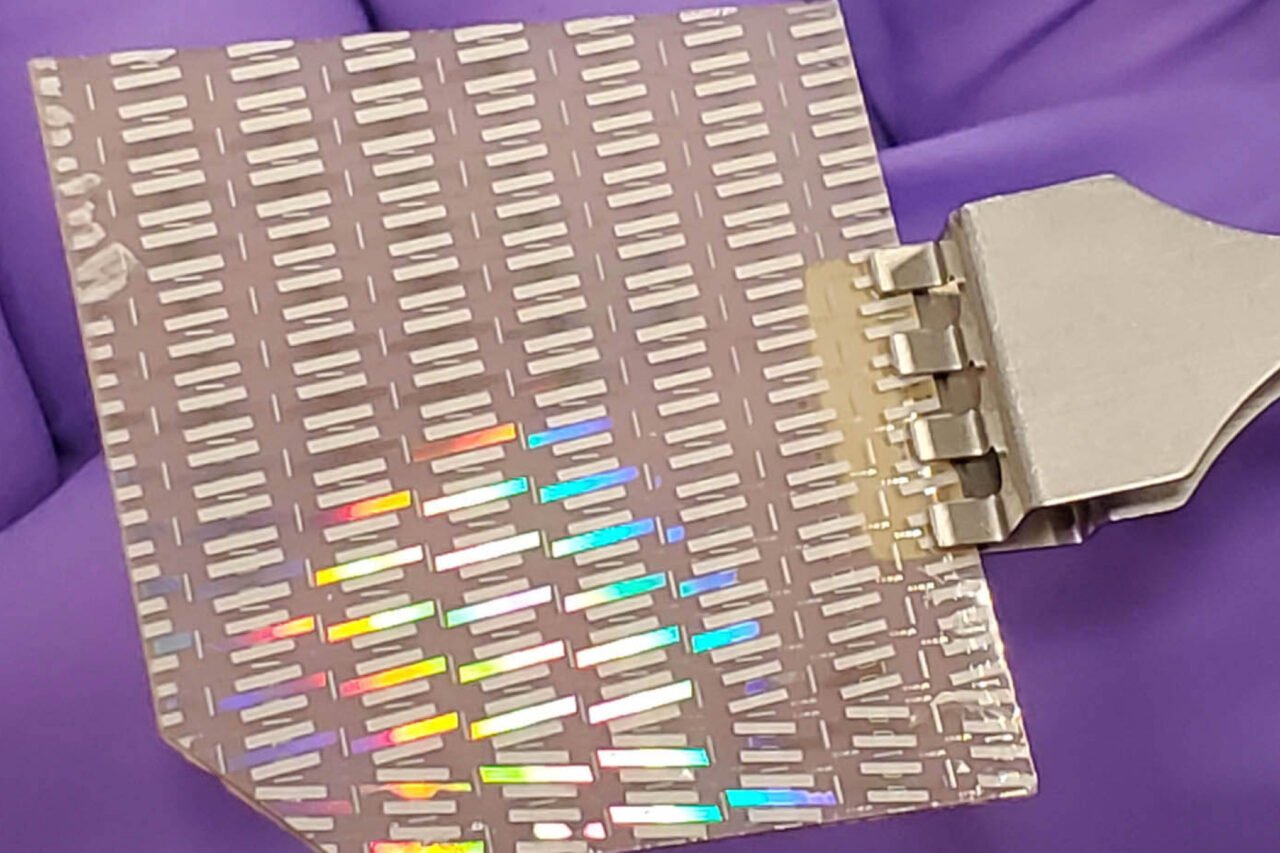
BREAKING: Researchers at the University of Maine have just announced a groundbreaking advancement in nuclear technology—new microelectronic sensors that can withstand the extreme heat and radiation of a nuclear reactor’s core. This innovative development promises to transform real-time monitoring of nuclear reactors, providing critical insights for engineers and operators.
The sensors, tested at the Nuclear Reactor Laboratory at Ohio State University, are designed to operate at temperatures reaching up to 1,500 degrees Fahrenheit (800 degrees Celsius). According to the Department of Energy, these devices are essential for the next generation of advanced high-temperature reactors, which utilize helium gas and ceramic materials to generate nuclear energy more efficiently.
“The successful development of these sensors will address and alleviate technology barriers that currently hinder the rollout of advanced nuclear reactors,” stated Mauricio Pereira da Cunha, the project’s principal investigator. His team has spent the past two years refining these sensors, leveraging two decades of expertise in sensor technology to create a device that is not only robust but also compact—each sensor is just 100 nanometers thick, approximately 1,000 times thinner than a human hair.
The urgency of this development cannot be overstated. As the world seeks cleaner energy alternatives, advanced nuclear reactors are poised to play a pivotal role in reducing carbon emissions. However, they require advanced monitoring capabilities to ensure optimal performance and safety. The new sensors will provide real-time operational data, allowing for enhanced oversight and management of reactor activities.
“In addition to extreme temperatures, we’re now also exposing these sensors to intense, in-core levels of nuclear radiation,” said Luke Doucette, the project’s senior research scientist. The successful testing of these sensors, which showed no signs of degradation after five days of exposure to maximum reactor power, marks a significant step forward in nuclear technology.
This development is not just a technical achievement; it carries profound implications for the future of energy production. As nations grapple with the challenges of climate change and energy sustainability, innovations like these sensors could be key to unlocking the full potential of nuclear power.
The researchers aim to deploy these sensors in various applications, paving the way for more reliable and efficient nuclear reactors. As the demand for energy continues to rise globally, advancements in technology like this will be crucial for meeting future energy needs.
Stay tuned for more updates on this exciting development in nuclear technology, as it unfolds and shapes the future of energy production worldwide.

Next-Gen Xbox Magnus Set to Rival Steam Machines with Premium Specs

Trump Issues Ultimatum to Maduro; Venezuela Closes Airspace Amid Tensions

Microsoft Faces Major Windows 11 Crisis as Core Features Fail

Kino Lorber Acquires North American Rights to ‘The Currents’

UGG Offers Historic Discounts on Tasman II Slippers for Cyber Monday

Organizing Committee for 2034 Olympics to Meet Monday Morning

Whitney Leavitt to Star as Roxie Hart in Chicago on Broadway

Berlin Patient Achieves HIV Remission After Cancer Treatment

BTS Duo Jimin and Jung Kook Return with Season Two of ‘Are You Sure?!’

University of Hawaiʻi Joins $25.6M AI Initiative to Monitor Disasters

Toledo City League Announces Hall of Fame Inductees for 2024

DOJ Seizes $15 Billion in Bitcoin from Major Crypto Fraud Network

Sharp Launches Five New Aquos QLED 4K Ultra HD Smart TVs

Celtics Coach Joe Mazzulla Dominates Local Media in Scrimmage

Community Unites for 7th Annual Walk to Raise Mental Health Awareness

Mutual Advisors LLC Increases Stake in SPDR Portfolio ETF

Western Executives Confront Harsh Realities of China’s Manufacturing Edge

INK Entertainment Launches Exclusive Sofia Pop-Up at Virgin Hotels
-
Science4 weeks ago
University of Hawaiʻi Joins $25.6M AI Initiative to Monitor Disasters
-
 Lifestyle2 months ago
Toledo City League Announces Hall of Fame Inductees for 2024
-
 Business2 months ago
DOJ Seizes $15 Billion in Bitcoin from Major Crypto Fraud Network
-
 Top Stories2 months ago
Sharp Launches Five New Aquos QLED 4K Ultra HD Smart TVs
-
 Sports2 months ago
Celtics Coach Joe Mazzulla Dominates Local Media in Scrimmage
-
 Health2 months ago
Community Unites for 7th Annual Walk to Raise Mental Health Awareness
-
 Politics2 months ago
Mutual Advisors LLC Increases Stake in SPDR Portfolio ETF
-
 Science2 months ago
Western Executives Confront Harsh Realities of China’s Manufacturing Edge
-
 World2 months ago
INK Entertainment Launches Exclusive Sofia Pop-Up at Virgin Hotels
-

 Politics2 months ago
Major Networks Reject Pentagon’s New Reporting Guidelines
-

 Science1 month ago
Astronomers Discover Twin Cosmic Rings Dwarfing Galaxies
-

 Top Stories1 month ago
Randi Mahomes Launches Game Day Clothing Line with Chiefs