
Science
Solar Discoveries, Dinosaur Revelations, and Chatbot Insights

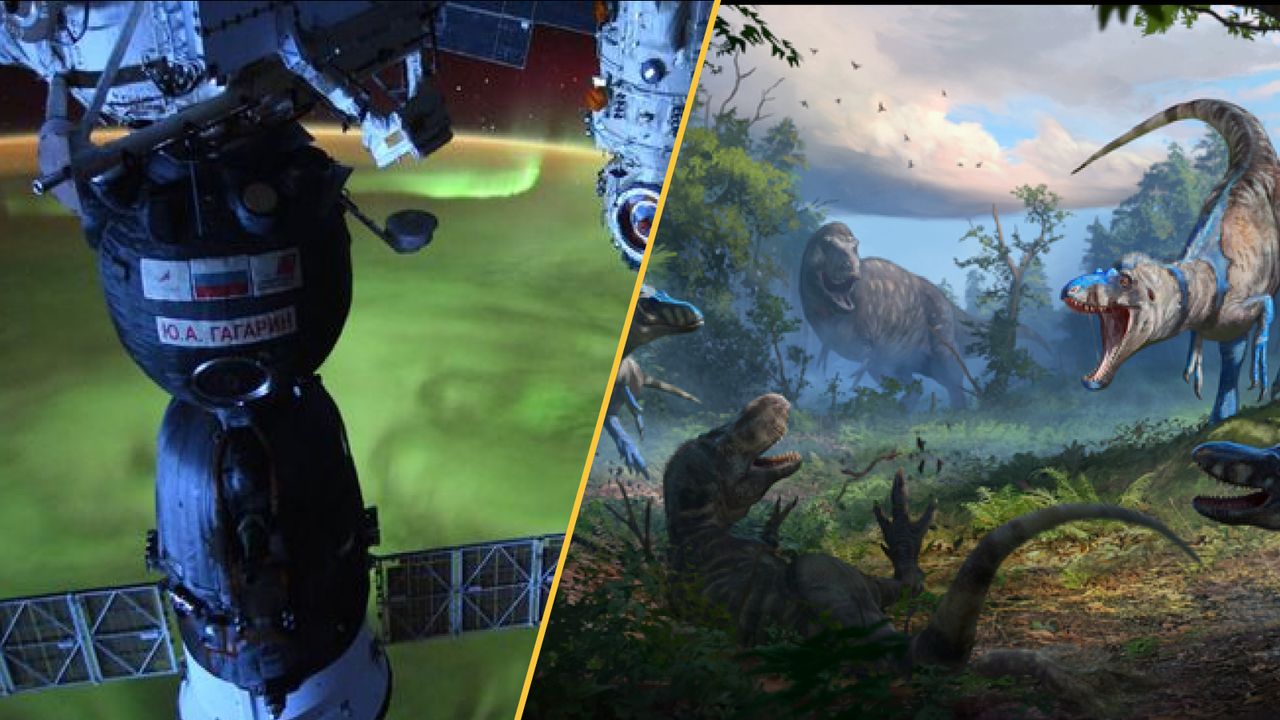
This week, significant scientific advancements captured global attention, highlighting the sun’s mysteries, a reclassification in paleontology, and intriguing findings about artificial intelligence. Researchers have made groundbreaking discoveries regarding solar phenomena, while the classification of a tiny dinosaur has shifted long-held beliefs about its lineage. Additionally, new insights regarding chatbot interactions have surfaced, suggesting unexpected impacts of user behavior.
Solar Studies Illuminate Cosmic Mysteries
New research has unveiled critical insights into the sun’s temperature dynamics. A study published recently reveals that magnetic waves, theorized since the 1940s, transport energy from the sun’s core to its outer corona. This phenomenon explains why the sun’s outer surface is significantly hotter than its core, a finding that may reshape our understanding of solar physics.
Moreover, these solar magnetic fields can unleash massive flares and streams of charged particles, which can lead to severe geomagnetic storms on Earth. A separate study has projected that the next major solar superstorm could potentially disrupt all satellites orbiting the planet, underscoring the importance of monitoring solar activity.
In related news, the interstellar Comet 3I/ATLAS is currently at perihelion, its closest approach to the sun, brightening dramatically as it releases gas at an unprecedented rate. Observations from NASA spacecraft and the James Webb Space Telescope revealed that years of exposure to cosmic radiation have altered the comet’s chemical composition, providing a unique opportunity for scientists to study its evolution.
Dinosaurs and Chatbots: New Perspectives
In the realm of paleontology, a fossil discovery known as the “Dueling Dinosaurs” has reignited a long-standing debate regarding the classification of a smaller theropod previously thought to be a juvenile Tyrannosaurus rex. Recent analyses indicate that this creature, dubbed Nanotyrannus, is indeed a distinct species rather than a young T. rex. This revelation has led many paleontologists to accept Nanotyrannus lancensis as a separate species, although another team has now proposed a different species within the same genus, Nanotyrannus lethaeus. The ongoing discourse continues to captivate the scientific community.
Meanwhile, research into chatbot interactions has yielded surprising results. A study found that users who adopt a more aggressive tone when communicating with chatbots, such as ChatGPT, experience a slight improvement in accuracy—approximately 4% more accurate responses. Despite this marginal gain, researchers caution against such behavior due to potential negative effects on interpersonal interactions and the ethical implications of treating AI with hostility.
These discoveries not only expand our understanding of the universe and its history but also challenge our perceptions of technology and communication. As the scientific community continues to explore these frontiers, the implications for both our understanding of the cosmos and our relationship with technology remain profound.
For additional insights into the latest scientific developments, including the ongoing exploration of mRNA research and the potential repercussions of government funding cuts in the United States, follow expert reporting from various reputable sources.

Urgent: Vehicle Fire Closes Two Lanes on I-215 in Salt Lake City

Knicks Dominate Raptors 116-94 at Home, Extend Winning Streak

Hallmark’s ‘Christmas at the Catnip Café’ Premieres Tonight!

Millville Woman Arrested for Threatening U-Haul Worker with Baton

Japan’s PM Takaichi Confirms Continued Fiscal Management Strategy

Bitcoin Plummets Below $88K Amid Tether Concerns and Warnings

Designers Unveil 5 Urgent Tricks to Transform Outdoor Eyesores

Shark Teeth Research Reveals Urgent Need to Protect Species

Church Members Unite in Resilience After Thanksgiving Fire

University of Hawaiʻi Joins $25.6M AI Initiative to Monitor Disasters

Toledo City League Announces Hall of Fame Inductees for 2024

DOJ Seizes $15 Billion in Bitcoin from Major Crypto Fraud Network

Sharp Launches Five New Aquos QLED 4K Ultra HD Smart TVs

Celtics Coach Joe Mazzulla Dominates Local Media in Scrimmage

Mutual Advisors LLC Increases Stake in SPDR Portfolio ETF

Community Unites for 7th Annual Walk to Raise Mental Health Awareness

Western Executives Confront Harsh Realities of China’s Manufacturing Edge

INK Entertainment Launches Exclusive Sofia Pop-Up at Virgin Hotels
-
Science4 weeks ago
University of Hawaiʻi Joins $25.6M AI Initiative to Monitor Disasters
-
 Lifestyle2 months ago
Toledo City League Announces Hall of Fame Inductees for 2024
-
 Business2 months ago
DOJ Seizes $15 Billion in Bitcoin from Major Crypto Fraud Network
-
 Top Stories2 months ago
Sharp Launches Five New Aquos QLED 4K Ultra HD Smart TVs
-
 Sports2 months ago
Celtics Coach Joe Mazzulla Dominates Local Media in Scrimmage
-
 Politics2 months ago
Mutual Advisors LLC Increases Stake in SPDR Portfolio ETF
-
 Health2 months ago
Community Unites for 7th Annual Walk to Raise Mental Health Awareness
-
 Science2 months ago
Western Executives Confront Harsh Realities of China’s Manufacturing Edge
-
 World2 months ago
INK Entertainment Launches Exclusive Sofia Pop-Up at Virgin Hotels
-

 Politics2 months ago
Major Networks Reject Pentagon’s New Reporting Guidelines
-

 Science1 month ago
Astronomers Discover Twin Cosmic Rings Dwarfing Galaxies
-

 Top Stories1 month ago
Randi Mahomes Launches Game Day Clothing Line with Chiefs