
Business
U.S. Government Shutdown Enters Day 31 Amid Legal Challenges

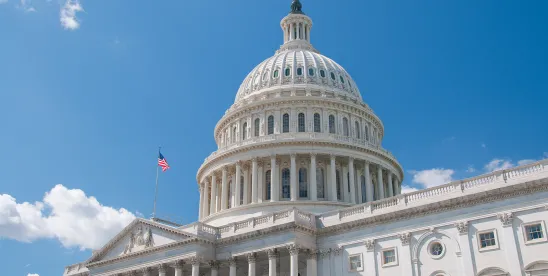
The ongoing federal government shutdown in the United States has reached its 31st day, raising concerns as it approaches the record of 35 days set between 2018 and 2019. If the shutdown extends past November 5, 2025, it will become the longest government shutdown in U.S. history. Recently, Republican leaders in the U.S. Senate decided against holding votes on crucial bills aimed at providing pay for military personnel and funding for the Supplemental Nutrition Assistance Program (SNAP).
This week, discussions among senators indicate a growing urgency as the impacts of the shutdown become increasingly severe. The U.S. Department of Agriculture (USDA) announced it would cease funding for SNAP starting November 1, 2025. In response, twenty-five states and the District of Columbia have filed a legal challenge against this decision, asserting that the USDA has sufficient funds to cover at least a portion of November’s SNAP benefits. They argue that suspending these benefits is unlawful and unreasonable under the Administrative Procedure Act.
On October 30, 2025, Judge Indira Talwani of the U.S. District Court for the District of Massachusetts ruled that halting SNAP benefits was “unlawful.” She ordered the administration to clarify by November 3, 2025, how it will ensure aid for November. Following this, Judge John J. McConnell, Jr., presiding over a similar case in Rhode Island, instructed the administration to utilize an emergency reserve for timely distribution of funds for SNAP payments.
The plight of federal employees is also at the forefront. In a statement titled, “It’s Past Time to End This Shutdown,” Everett Kelley, National President of the American Federation of Government Employees (AFGE), emphasized the need for Congress to reopen the government immediately through a clean continuing resolution. AFGE represents approximately 820,000 federal and D.C. government workers, and their demands may put additional pressure on lawmakers to reach a resolution.
As the shutdown continues, the implications for healthcare are significant. Open enrollment for Affordable Care Act (ACA) coverage begins on November 1, 2025. Without extended subsidies, millions of Americans could face significant increases in healthcare costs as insurance premiums are expected to rise.
The military is also affected. While members of the military are set to receive their second paycheck for October this weekend, administration officials have indicated that there may not be sufficient funds to cover the next pay period due on November 15, 2025.
In a related development, U.S. Citizenship and Immigration Services (USCIS) has announced an interim final rule that ends the automatic extension of employment authorization documents for certain foreign nationals. Previously, these documents were automatically extended by 540 days while applicants awaited renewal. The new rule, effective for applications filed on or after October 30, 2025, could leave many without work authorization while they wait for the government to process their renewal requests.
In other news, Brittany Panuccio has been sworn in as a member of the U.S. Equal Employment Opportunity Commission (EEOC), providing the agency with a functioning quorum for the first time in this administration. Panuccio’s arrival is expected to impact the EEOC’s agenda significantly.
On the deregulation front, Jeffrey Bossert Clark, Sr., acting administrator for the Office of Information and Regulatory Affairs (OIRA), issued a memorandum aimed at expediting the review of deregulatory actions. This directive encourages agencies to streamline processes and could lead to quicker rescinding of existing regulations.
U.S. Customs and Border Protection has finalized a rule requiring all aliens to be photographed upon entry and exit from the United States, effective December 26, 2025. This move is part of a broader effort to enhance border security through biometric data collection.
Despite the challenges presented by the shutdown, legislative actions continue to unfold, reflecting a complex interplay of legal, economic, and social factors that will shape the future of federal governance in the United States.

Fire Erupts at Indigo Apartments in OKC, Residents Fearful

Arlene Hartman, Beloved Community Member, Passes at 87

Urgent: Vehicle Fire Closes Two Lanes on I-215 in Salt Lake City

Knicks Dominate Raptors 116-94 at Home, Extend Winning Streak

Hallmark’s ‘Christmas at the Catnip Café’ Premieres Tonight!

Millville Woman Arrested for Threatening U-Haul Worker with Baton

Japan’s PM Takaichi Confirms Continued Fiscal Management Strategy

Bitcoin Plummets Below $88K Amid Tether Concerns and Warnings

Designers Unveil 5 Urgent Tricks to Transform Outdoor Eyesores

University of Hawaiʻi Joins $25.6M AI Initiative to Monitor Disasters

Toledo City League Announces Hall of Fame Inductees for 2024

DOJ Seizes $15 Billion in Bitcoin from Major Crypto Fraud Network

Sharp Launches Five New Aquos QLED 4K Ultra HD Smart TVs

Celtics Coach Joe Mazzulla Dominates Local Media in Scrimmage

Mutual Advisors LLC Increases Stake in SPDR Portfolio ETF

Community Unites for 7th Annual Walk to Raise Mental Health Awareness

Western Executives Confront Harsh Realities of China’s Manufacturing Edge

Major Networks Reject Pentagon’s New Reporting Guidelines
-
Science4 weeks ago
University of Hawaiʻi Joins $25.6M AI Initiative to Monitor Disasters
-
 Lifestyle2 months ago
Toledo City League Announces Hall of Fame Inductees for 2024
-
 Business2 months ago
DOJ Seizes $15 Billion in Bitcoin from Major Crypto Fraud Network
-
 Top Stories2 months ago
Sharp Launches Five New Aquos QLED 4K Ultra HD Smart TVs
-
 Sports2 months ago
Celtics Coach Joe Mazzulla Dominates Local Media in Scrimmage
-
 Politics2 months ago
Mutual Advisors LLC Increases Stake in SPDR Portfolio ETF
-
 Health2 months ago
Community Unites for 7th Annual Walk to Raise Mental Health Awareness
-
 Science2 months ago
Western Executives Confront Harsh Realities of China’s Manufacturing Edge
-
 Politics2 months ago
Major Networks Reject Pentagon’s New Reporting Guidelines
-

 World2 months ago
INK Entertainment Launches Exclusive Sofia Pop-Up at Virgin Hotels
-

 Science1 month ago
Astronomers Discover Twin Cosmic Rings Dwarfing Galaxies
-

 Top Stories1 month ago
Randi Mahomes Launches Game Day Clothing Line with Chiefs