
Politics
Rising Electricity Costs Shape New Jersey and Virginia Elections

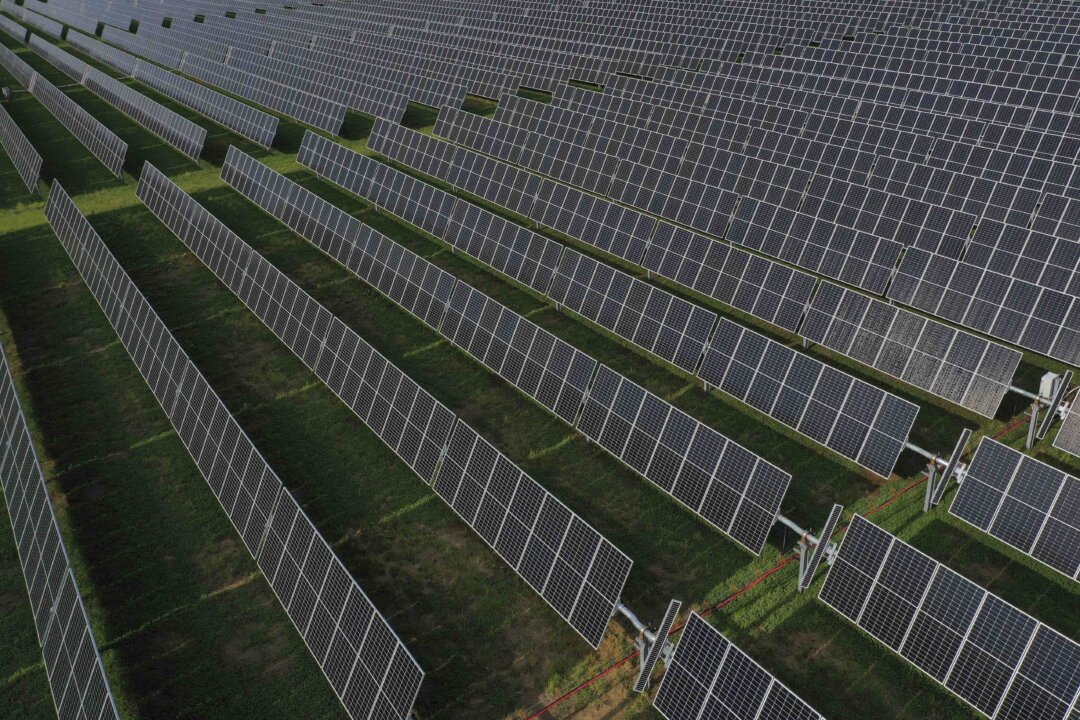
As the gubernatorial elections on November 4, 2025, approach, the states of New Jersey and Virginia are drawing national attention. Voter concerns are increasingly focused on rising electricity costs, which have emerged as a critical issue in both states. This focus may have broader implications for how campaigns across the nation prepare for the midterm elections in 2026.
In New Jersey, electricity prices have surged, with customers facing an average increase of 19 percent in August 2025 compared to the previous year. This significant hike in costs is contributing to voter anxiety surrounding affordability, which includes various factors such as grocery prices, housing costs, and utility bills. Residents are expressing frustration as they grapple with these escalating expenses, ultimately influencing their political choices.
Virginia is experiencing similar trends. Over the past few years, utilities in the state have implemented rate hikes of 30 percent from 2020 to 2023. Recently, these utilities secured approval for additional rate increases ranging from 15 percent to 21 percent over the next two years. This continuous rise in energy bills is intensifying the focus on affordability, making it a pivotal topic in the upcoming elections.
Voters in both states are prioritizing a range of issues beyond electricity costs. Taxes, healthcare, and job generation are also at the forefront of their concerns. As candidates prepare their platforms, the emphasis on addressing inflation and economic stability is expected to resonate with constituents.
The impact of these rising costs is not limited to the immediate financial burden on households; it also raises questions about the long-term viability of policies and the political landscape. With both major parties keenly aware of the significance of economic issues, the outcomes in New Jersey and Virginia may set a precedent for other states as they gear up for the midterm elections.
Analysts suggest that the way candidates address these pressing concerns could shape their appeal to voters. Candidates who effectively communicate their plans to mitigate rising costs and enhance affordability may gain an advantage in the election. The role of utility costs in determining voter sentiment cannot be underestimated, as it appears to be a decisive factor in both gubernatorial races.
As the campaigns unfold, the focus on electricity costs and economic challenges will likely remain central to discussions among voters and candidates alike. With the potential to influence political power dynamics in both states, the implications of rising electricity prices extend far beyond local issues, potentially impacting the national stage as well.

Millville Woman Arrested for Threatening U-Haul Worker with Baton

Japan’s PM Takaichi Confirms Continued Fiscal Management Strategy

Bitcoin Plummets Below $88K Amid Tether Concerns and Warnings

Designers Unveil 5 Urgent Tricks to Transform Outdoor Eyesores

Shark Teeth Research Reveals Urgent Need to Protect Species

Church Members Unite in Resilience After Thanksgiving Fire

Community Unites to Attempt World Record for Largest Cookie Exchange

Mayor Lurie Appoints Alan Wong to District 4 Seat Amid Controversy

Mayor Appoints Alan Wong as New Supervisor for District 4

University of Hawaiʻi Joins $25.6M AI Initiative to Monitor Disasters

Toledo City League Announces Hall of Fame Inductees for 2024

DOJ Seizes $15 Billion in Bitcoin from Major Crypto Fraud Network

Sharp Launches Five New Aquos QLED 4K Ultra HD Smart TVs

Celtics Coach Joe Mazzulla Dominates Local Media in Scrimmage

Mutual Advisors LLC Increases Stake in SPDR Portfolio ETF

Community Unites for 7th Annual Walk to Raise Mental Health Awareness

Western Executives Confront Harsh Realities of China’s Manufacturing Edge

INK Entertainment Launches Exclusive Sofia Pop-Up at Virgin Hotels
-
Science4 weeks ago
University of Hawaiʻi Joins $25.6M AI Initiative to Monitor Disasters
-
 Lifestyle2 months ago
Toledo City League Announces Hall of Fame Inductees for 2024
-
 Business2 months ago
DOJ Seizes $15 Billion in Bitcoin from Major Crypto Fraud Network
-
 Top Stories2 months ago
Sharp Launches Five New Aquos QLED 4K Ultra HD Smart TVs
-
 Sports2 months ago
Celtics Coach Joe Mazzulla Dominates Local Media in Scrimmage
-
 Politics2 months ago
Mutual Advisors LLC Increases Stake in SPDR Portfolio ETF
-
 Health2 months ago
Community Unites for 7th Annual Walk to Raise Mental Health Awareness
-
 Science2 months ago
Western Executives Confront Harsh Realities of China’s Manufacturing Edge
-
 World2 months ago
INK Entertainment Launches Exclusive Sofia Pop-Up at Virgin Hotels
-

 Politics2 months ago
Major Networks Reject Pentagon’s New Reporting Guidelines
-

 Science1 month ago
Astronomers Discover Twin Cosmic Rings Dwarfing Galaxies
-

 Top Stories1 month ago
Randi Mahomes Launches Game Day Clothing Line with Chiefs