
Science
Deep-Sea Mining Waste Threatens Vital Ocean Ecosystems

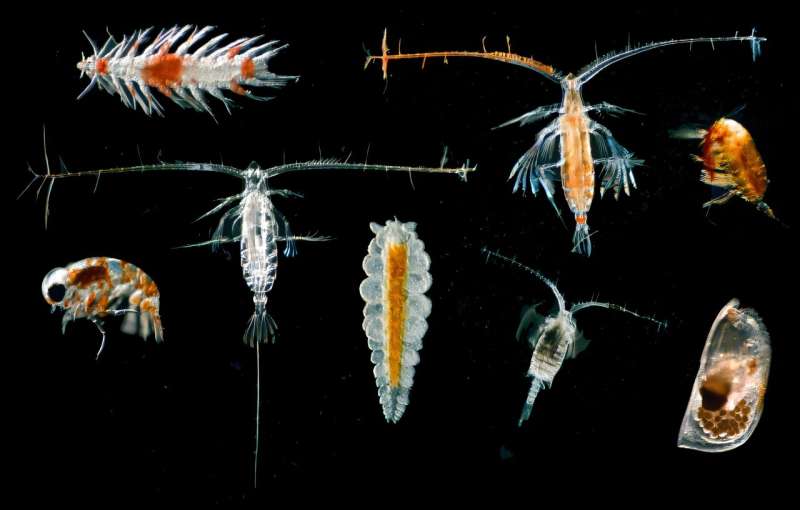
A groundbreaking study led by researchers at the University of Hawaii at Manoa has revealed that waste from deep-sea mining operations poses a significant threat to marine life in the Pacific Ocean’s biodiverse Clarion-Clipperton Zone (CCZ). Published on November 6, 2025, in the journal Nature Communications, this research is the first to demonstrate how mining waste could disrupt the food webs in the midwater “twilight zone,” an essential habitat located between 200 and 1,500 meters below sea level.
The study highlights that approximately 53% of all zooplankton and 60% of micronekton—small organisms that feed on zooplankton—are at risk from the discharge of mining waste. This disruption could have cascading effects on higher predators within the marine food web. According to lead author Michael Dowd, an oceanography graduate student at the university, the mining waste creates conditions comparable to “murky water” filled with particles that dilute the nutritious food normally available to zooplankton.
When mining operations extract deep-sea polymetallic nodules, which contain vital minerals such as cobalt, nickel, and copper, they also collect seawater and sediments. This mixture is pumped back into the ocean, often within the twilight zone, where the impact on marine communities has been largely unstudied until now. The research involved examining water samples collected during a mining trial in 2022, revealing that the discharged waste had significantly lower concentrations of amino acids, a crucial indicator of nutritional value, compared to naturally occurring particles.
Co-author Erica Goetze, a professor of oceanography at the university, emphasized the broader implications of the findings, stating, “This isn’t just about mining the seafloor; it’s about reducing the food for entire communities in the deep sea.” The study underscores the importance of understanding how mining activities can alter the delicate balance of life in these depths.
The urgency of this research is underscored by the increasing global demand for metals required for electric vehicle batteries and other low-carbon technologies. Currently, approximately 1.5 million square kilometers of the CCZ are licensed for deep-sea mining, indicating a pressing need for effective regulatory frameworks.
Potential Long-Term Effects on Marine Ecosystems
As deep-sea mining progresses, the potential consequences for marine ecosystems could be profound. During the mining process, materials are extracted and transported to collection ships, where they are separated from sediment waste. The waste, which includes pulverized nodules, is then returned to the ocean. The depth at which this waste is discharged remains uncertain, with some operators proposing to release it in the twilight zone.
The study’s findings raise critical questions about the long-term impacts of mining on midwater communities, which have not been adequately addressed in existing regulations. The twilight zone is home to a diverse array of species, including krill, squid, and gelatinous organisms, which play a vital role in transporting carbon to deeper ocean levels, thus supporting both marine and human health.
Co-author Jeffrey Drazen, a professor of oceanography and deep-sea ecologist, noted, “Mining plumes don’t just create cloudy water—they change the quality of what’s available to eat.” He compared the impact of mining waste to “dumping empty calories” into a finely balanced ecosystem.
Call for Regulatory Action and Further Research
The findings of this study signal urgent concerns regarding the potential for lasting damage if large-scale commercial mining is allowed to proceed without comprehensive environmental protections. Notably, Pacific tuna fisheries operate within the CCZ, suggesting that the implications of mining waste could extend to global fish populations.
Co-author Brian Popp, a professor of earth sciences, stressed the current opportunity to make informed decisions before deep-sea mining begins at a commercial scale: “If we don’t understand what’s at stake in the midwater, we risk harming ecosystems we’re only just beginning to study.”
The authors advocate for their research to inform ongoing regulatory discussions led by the International Seabed Authority and the National Oceanic and Atmospheric Administration in the United States. They call for expanded research to protect the full vertical extent of ocean ecosystems, emphasizing the need to carefully consider the depths at which mining waste is discharged to minimize ecological harm.
In conclusion, the study’s authors argue that understanding the fate of mining waste plumes and their effects on ocean ecosystems is essential for preserving the delicate connections within marine food webs. As the deep-sea mining industry evolves, the implications of these findings could shape future regulatory measures and conservation efforts.

Fire Erupts at Indigo Apartments in OKC, Residents Fearful

Arlene Hartman, Beloved Community Member, Passes at 87

Urgent: Vehicle Fire Closes Two Lanes on I-215 in Salt Lake City

Knicks Dominate Raptors 116-94 at Home, Extend Winning Streak

Hallmark’s ‘Christmas at the Catnip Café’ Premieres Tonight!

Millville Woman Arrested for Threatening U-Haul Worker with Baton

Japan’s PM Takaichi Confirms Continued Fiscal Management Strategy

Bitcoin Plummets Below $88K Amid Tether Concerns and Warnings

Designers Unveil 5 Urgent Tricks to Transform Outdoor Eyesores

University of Hawaiʻi Joins $25.6M AI Initiative to Monitor Disasters

Toledo City League Announces Hall of Fame Inductees for 2024

DOJ Seizes $15 Billion in Bitcoin from Major Crypto Fraud Network

Sharp Launches Five New Aquos QLED 4K Ultra HD Smart TVs

Celtics Coach Joe Mazzulla Dominates Local Media in Scrimmage

Mutual Advisors LLC Increases Stake in SPDR Portfolio ETF

Community Unites for 7th Annual Walk to Raise Mental Health Awareness

Western Executives Confront Harsh Realities of China’s Manufacturing Edge

INK Entertainment Launches Exclusive Sofia Pop-Up at Virgin Hotels
-
Science4 weeks ago
University of Hawaiʻi Joins $25.6M AI Initiative to Monitor Disasters
-
 Lifestyle2 months ago
Toledo City League Announces Hall of Fame Inductees for 2024
-
 Business2 months ago
DOJ Seizes $15 Billion in Bitcoin from Major Crypto Fraud Network
-
 Top Stories2 months ago
Sharp Launches Five New Aquos QLED 4K Ultra HD Smart TVs
-
 Sports2 months ago
Celtics Coach Joe Mazzulla Dominates Local Media in Scrimmage
-
 Politics2 months ago
Mutual Advisors LLC Increases Stake in SPDR Portfolio ETF
-
 Health2 months ago
Community Unites for 7th Annual Walk to Raise Mental Health Awareness
-
 Science2 months ago
Western Executives Confront Harsh Realities of China’s Manufacturing Edge
-
 World2 months ago
INK Entertainment Launches Exclusive Sofia Pop-Up at Virgin Hotels
-

 Politics2 months ago
Major Networks Reject Pentagon’s New Reporting Guidelines
-

 Science1 month ago
Astronomers Discover Twin Cosmic Rings Dwarfing Galaxies
-

 Top Stories1 month ago
Randi Mahomes Launches Game Day Clothing Line with Chiefs