
Health
Expert Tips to Help Anxious Children Sleep Better at Night

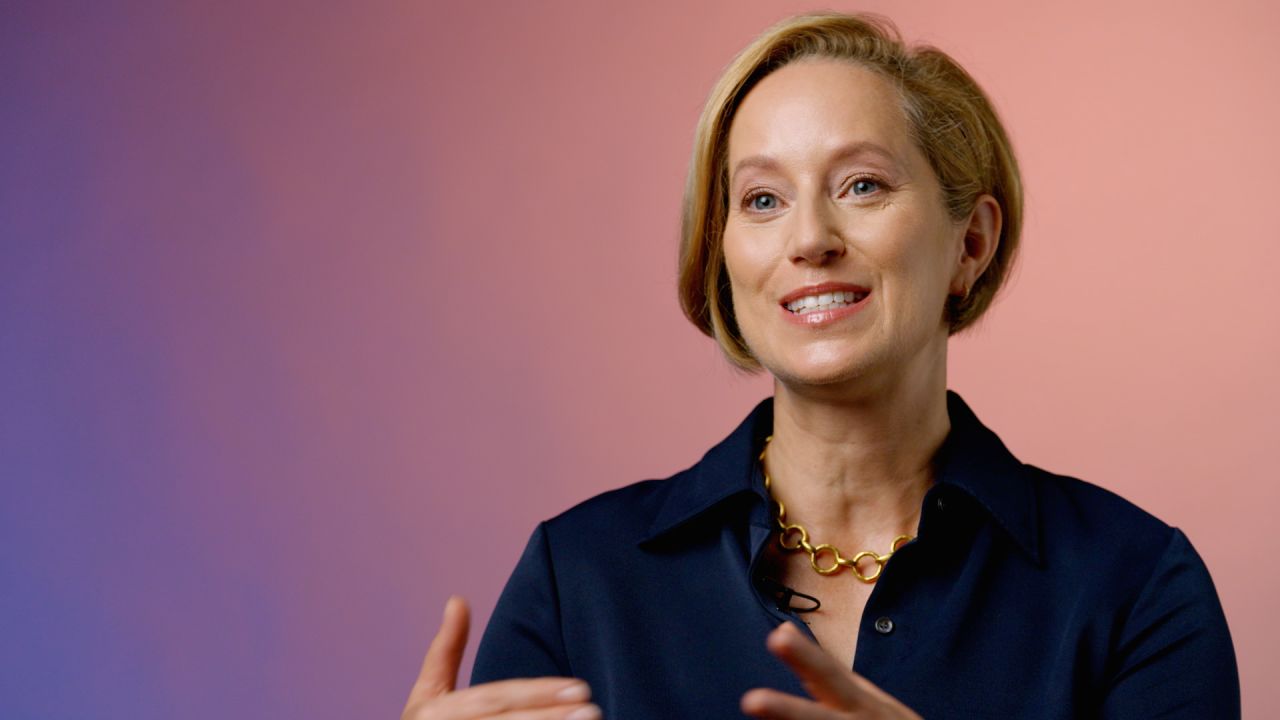
Sleep disturbances due to anxiety can affect both children and adults significantly. To address this issue, clinical psychologist Dr. Lisa Damour offers valuable insights on helping anxious children achieve a restful night. Dr. Damour, a recognized expert in teen development and parenting, consulted on the animated film Inside Out 2 to ensure the portrayal of emotions was accurate and relatable.
Understanding Anxiety and Its Impact on Sleep
Anxiety can manifest in various ways, often leading to difficulties in falling or staying asleep. For children, these feelings can be particularly overwhelming, causing them to struggle with nighttime routines. Dr. Damour emphasizes that understanding the root cause of a child’s anxiety is essential. By addressing these fears, parents can develop effective strategies to improve their child’s sleep.
Parents should create a calming bedtime routine that fosters relaxation. This includes setting a consistent sleep schedule, which helps regulate the body’s internal clock. Dr. Damour suggests that families engage in calming activities before bed, such as reading or practicing deep breathing exercises, to help ease anxious thoughts.
Practical Strategies for Better Sleep
Dr. Damour outlines several practical strategies to aid anxious children in achieving better sleep:
1. **Limit Screen Time:** Reducing exposure to screens at least one hour before bedtime can help decrease anxiety levels. The blue light emitted from devices can interfere with the body’s natural sleep-wake cycle.
2. **Create a Sleep-Conducive Environment:** A comfortable sleep environment is crucial. Parents should ensure that bedrooms are dark, quiet, and cool to promote restful sleep. Consider using blackout curtains and white noise machines if necessary.
3. **Encourage Open Communication:** Parents should encourage their children to express their feelings openly. Discussing fears and anxieties during the day can reduce their intensity at night. Dr. Damour recommends asking children about their day and listening actively to their concerns.
4. **Implement Relaxation Techniques:** Introducing relaxation techniques, such as mindfulness or gentle yoga, can significantly benefit children. Dr. Damour highlights that these practices help children manage their anxiety more effectively.
5. **Seek Professional Help if Necessary:** If anxiety persists and disrupts sleep, parents should consider consulting a mental health professional. A therapist can provide tailored strategies and coping mechanisms for children dealing with significant anxiety.
Dr. Damour’s expertise, particularly in the context of her work on Inside Out 2, underscores the importance of addressing children’s emotional health. By implementing these strategies, parents can help their children navigate anxiety and improve their sleep quality.
In conclusion, with the right support and strategies, anxious children can find peace at night. By fostering an understanding of their emotions and creating a supportive environment, parents can significantly impact their children’s well-being.

Arlene Hartman, Beloved Community Member, Passes at 87

Urgent: Vehicle Fire Closes Two Lanes on I-215 in Salt Lake City

Knicks Dominate Raptors 116-94 at Home, Extend Winning Streak

Hallmark’s ‘Christmas at the Catnip Café’ Premieres Tonight!

Millville Woman Arrested for Threatening U-Haul Worker with Baton

Japan’s PM Takaichi Confirms Continued Fiscal Management Strategy

Bitcoin Plummets Below $88K Amid Tether Concerns and Warnings

Designers Unveil 5 Urgent Tricks to Transform Outdoor Eyesores

Shark Teeth Research Reveals Urgent Need to Protect Species

University of Hawaiʻi Joins $25.6M AI Initiative to Monitor Disasters

Toledo City League Announces Hall of Fame Inductees for 2024

DOJ Seizes $15 Billion in Bitcoin from Major Crypto Fraud Network

Sharp Launches Five New Aquos QLED 4K Ultra HD Smart TVs

Celtics Coach Joe Mazzulla Dominates Local Media in Scrimmage

Mutual Advisors LLC Increases Stake in SPDR Portfolio ETF

Community Unites for 7th Annual Walk to Raise Mental Health Awareness

Western Executives Confront Harsh Realities of China’s Manufacturing Edge

INK Entertainment Launches Exclusive Sofia Pop-Up at Virgin Hotels
-
Science4 weeks ago
University of Hawaiʻi Joins $25.6M AI Initiative to Monitor Disasters
-
 Lifestyle2 months ago
Toledo City League Announces Hall of Fame Inductees for 2024
-
 Business2 months ago
DOJ Seizes $15 Billion in Bitcoin from Major Crypto Fraud Network
-
 Top Stories2 months ago
Sharp Launches Five New Aquos QLED 4K Ultra HD Smart TVs
-
 Sports2 months ago
Celtics Coach Joe Mazzulla Dominates Local Media in Scrimmage
-
 Politics2 months ago
Mutual Advisors LLC Increases Stake in SPDR Portfolio ETF
-
 Health2 months ago
Community Unites for 7th Annual Walk to Raise Mental Health Awareness
-
 Science2 months ago
Western Executives Confront Harsh Realities of China’s Manufacturing Edge
-
 World2 months ago
INK Entertainment Launches Exclusive Sofia Pop-Up at Virgin Hotels
-

 Politics2 months ago
Major Networks Reject Pentagon’s New Reporting Guidelines
-

 Science1 month ago
Astronomers Discover Twin Cosmic Rings Dwarfing Galaxies
-

 Top Stories1 month ago
Randi Mahomes Launches Game Day Clothing Line with Chiefs