
Health
Trump Administration Challenges SNAP Benefits for Native Americans

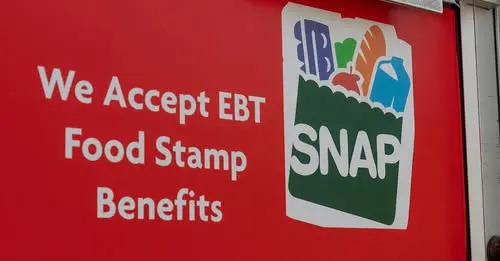
The Trump administration has initiated legal action to oppose the continuation of Supplemental Nutrition Assistance Program (SNAP) benefits for November, a vital resource for many Native Americans. The administration’s Department of Justice filed a motion with the U.S. Court of Appeals for the 1st Circuit, seeking to overturn a ruling by U.S. District Judge John McConnell that mandated full SNAP funding during a federal government shutdown that began on October 1, 2023.
According to recent statistics, approximately one in four Native Americans rely on SNAP, a lifeline for those living at poverty levels that are twice the national average. Around 540,000 Native Americans receive these benefits, which primarily support elders, children, and disabled individuals. The program is part of a broader safety net for nearly 42 million Americans who depend on it to ensure food security.
In its 32-page appeal, the DOJ argues that the district court’s order poses “significant and irreparable harm to the government,” prioritizing the government’s financial considerations over the immediate needs of vulnerable populations. Critics interpret this as an indication that the administration values fiscal concerns above the hunger experienced by SNAP recipients. The appeal emphasizes that the government cannot reclaim funds once disbursed, framing the issue in financial rather than humanitarian terms.
On Friday, the appeals court chose not to impose an immediate halt to McConnell’s order, allowing for further evaluation of the case. Following this, the DOJ escalated the situation by filing an emergency appeal with the U.S. Supreme Court. Justice Ketanji Brown Jackson granted a temporary pause on the matter, which will remain in effect until the circuit court reaches a decision.
The ongoing debate surrounding SNAP is reminiscent of past political rhetoric aimed at social support programs. Notably, during his campaigns in the late 1970s and early 1980s, then-candidate Ronald Reagan popularized the term “welfare queen,” using it as a tool to criticize welfare programs. This narrative, rooted in stereotypes and racial implications, sought to delegitimize assistance to those in need.
The rhetoric surrounding SNAP today reflects similar sentiments, suggesting that certain groups are less deserving of support. Many Native communities deal with food insecurity exacerbated by limited access to affordable, nutritious food. Reservations often function as food deserts, with grocery costs significantly higher than in nearby urban areas. SNAP plays an essential role in mitigating these challenges, enabling families to afford healthy meals.
For Native Americans, SNAP is not merely a government handout; it is a crucial support system that addresses historical inequities. Many Indigenous communities continue to confront barriers related to food access, economic opportunity, and land rights. Denying or delaying SNAP benefits perpetuates a cycle of poverty and hunger, undermining the dignity of those affected.
As the legal proceedings unfold, the potential impact on Native families remains a pressing concern. The consequences of disrupted SNAP payments extend beyond statistics; they affect real lives. Children, elders, and individuals with disabilities risk increased food insecurity if benefits are halted.
House Speaker Mike Johnson has been urged to return to Washington to collaborate with the Senate and the White House to reopen the government. In the words of Mark Macarro, president of the National Congress of American Indians, “If the United States can simply suspend food during a shutdown, then every promise to safeguard our rights and well-being becomes conditional on political convenience.”
As federal courts deliberate on the future of SNAP payments, it is crucial to remember the human cost of these decisions. Behind every statistic is someone deserving of justice and support. The current situation highlights the need for a compassionate approach to food security, recognizing it as a fundamental human right rather than a privilege.

Hallmark’s ‘Christmas at the Catnip Café’ Premieres Tonight!

Millville Woman Arrested for Threatening U-Haul Worker with Baton

Japan’s PM Takaichi Confirms Continued Fiscal Management Strategy

Bitcoin Plummets Below $88K Amid Tether Concerns and Warnings

Designers Unveil 5 Urgent Tricks to Transform Outdoor Eyesores

Shark Teeth Research Reveals Urgent Need to Protect Species

Church Members Unite in Resilience After Thanksgiving Fire

Community Unites to Attempt World Record for Largest Cookie Exchange

Mayor Lurie Appoints Alan Wong to District 4 Seat Amid Controversy

University of Hawaiʻi Joins $25.6M AI Initiative to Monitor Disasters

Toledo City League Announces Hall of Fame Inductees for 2024

DOJ Seizes $15 Billion in Bitcoin from Major Crypto Fraud Network

Sharp Launches Five New Aquos QLED 4K Ultra HD Smart TVs

Celtics Coach Joe Mazzulla Dominates Local Media in Scrimmage

Mutual Advisors LLC Increases Stake in SPDR Portfolio ETF

Community Unites for 7th Annual Walk to Raise Mental Health Awareness

Western Executives Confront Harsh Realities of China’s Manufacturing Edge

INK Entertainment Launches Exclusive Sofia Pop-Up at Virgin Hotels
-
Science4 weeks ago
University of Hawaiʻi Joins $25.6M AI Initiative to Monitor Disasters
-
 Lifestyle2 months ago
Toledo City League Announces Hall of Fame Inductees for 2024
-
 Business2 months ago
DOJ Seizes $15 Billion in Bitcoin from Major Crypto Fraud Network
-
 Top Stories2 months ago
Sharp Launches Five New Aquos QLED 4K Ultra HD Smart TVs
-
 Sports2 months ago
Celtics Coach Joe Mazzulla Dominates Local Media in Scrimmage
-
 Politics2 months ago
Mutual Advisors LLC Increases Stake in SPDR Portfolio ETF
-
 Health2 months ago
Community Unites for 7th Annual Walk to Raise Mental Health Awareness
-
 Science2 months ago
Western Executives Confront Harsh Realities of China’s Manufacturing Edge
-
 World2 months ago
INK Entertainment Launches Exclusive Sofia Pop-Up at Virgin Hotels
-

 Politics2 months ago
Major Networks Reject Pentagon’s New Reporting Guidelines
-

 Science1 month ago
Astronomers Discover Twin Cosmic Rings Dwarfing Galaxies
-

 Top Stories1 month ago
Randi Mahomes Launches Game Day Clothing Line with Chiefs