
Health
Researchers Target Hidden RNA Weakness in Cancer Cells

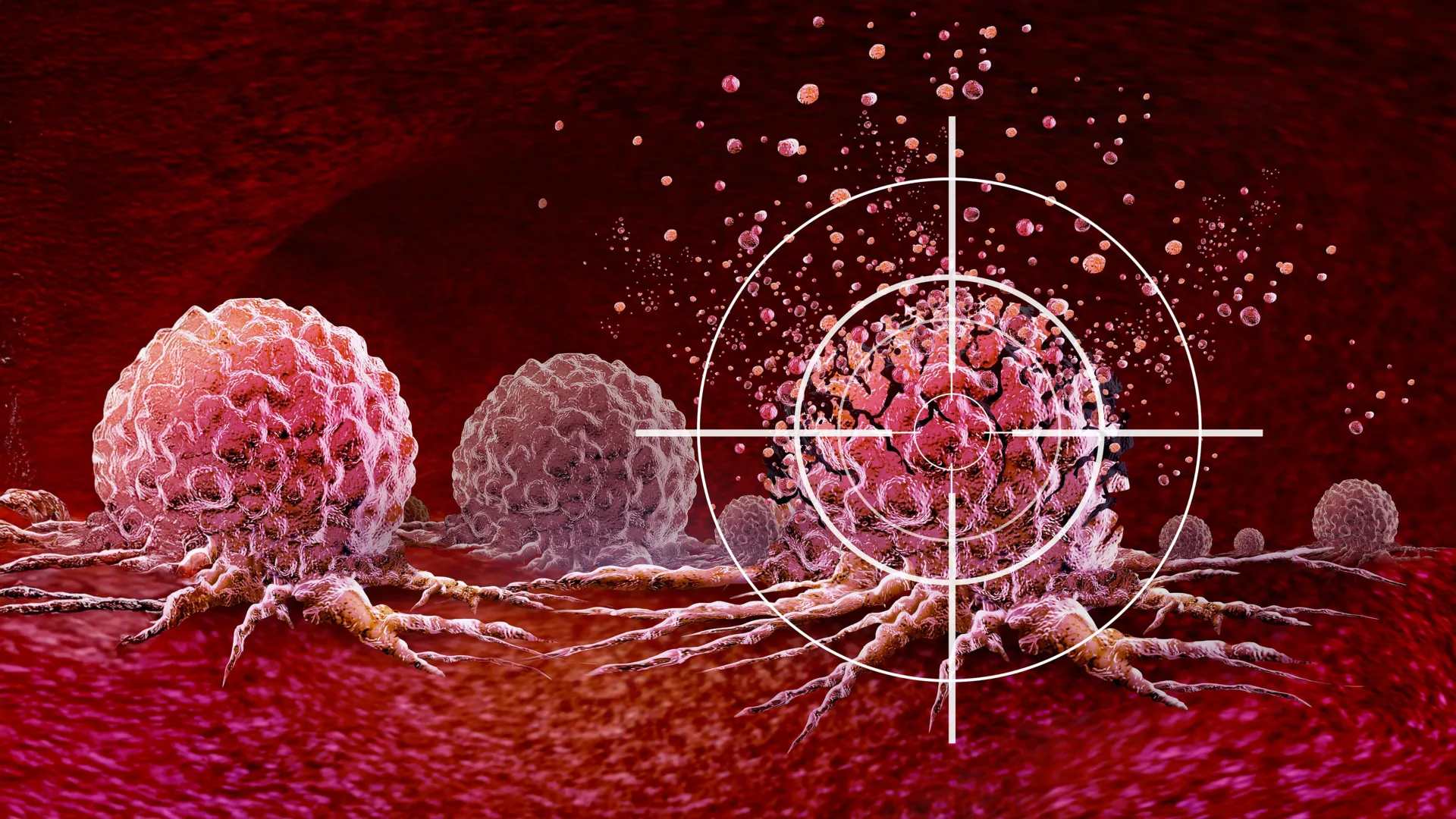
A team of researchers from the Hebrew University of Jerusalem has developed an innovative drug that targets a specific RNA molecule crucial for the survival of certain cancer cells. This breakthrough, reported on November 13, 2025, focuses on a molecule known as TERRA, which is often exploited by cancer cells to promote their growth and division.
The new compound, utilizing a technique called RIBOTAC (Ribonuclease-Targeting Chimera), selectively identifies and degrades TERRA without affecting healthy RNA. The study, led by Dr. Raphael I. Benhamou, along with researchers Elias Khaskia and Dipak Dahatonde, was published in the journal Advanced Sciences.
TERRA plays a vital role in maintaining the integrity of chromosome ends, which are essential for cellular stability and health. When TERRA malfunctions, it can lead to abnormal cell aging and division, contributing to various cancers, including specific types of brain and bone tumors. The drug developed by the research team acts as a “guided missile,” targeting and eliminating TERRA specifically within cancer cells.
Mechanism of Action
The researchers engineered a small molecule that recognizes a unique structure in TERRA known as a G-quadruplex. Upon locating this structure, the molecule recruits the enzyme RNase L, which facilitates the breakdown of TERRA. This marks a significant advancement, as it is the first instance of a tool being able to precisely destroy TERRA while sparing other RNA types that may share similar characteristics.
In laboratory experiments with cancer cell lines, including HeLa and U2OS—both recognized for their resistance to treatment—the RIBOTAC approach demonstrated a notable reduction in TERRA levels. This reduction correlated with a slowdown in cancer cell proliferation, suggesting a promising direction for future cancer therapies.
Implications for Cancer Treatment
The findings from this research open new avenues for cancer treatment strategies that target RNA directly, rather than focusing solely on proteins, which are the primary targets of most existing drugs. Dr. Benhamou emphasized the significance of this approach, stating, “This is a new way of thinking about medicine. Instead of focusing only on proteins, we’re now learning how to target the RNA that controls them. That could open the door to treating diseases we once thought were impossible to reach.”
This innovative perspective on targeting genetic drivers of disease rather than merely addressing the symptoms has the potential to reshape the landscape of cancer treatment. As research continues, the team hopes to further develop this class of drugs, aiming for applications beyond the current focus on proteins, ultimately enhancing therapeutic options for patients battling cancer.
The study underscores the growing importance of understanding RNA’s role in cancer biology, paving the way for more effective treatment modalities in the future.

Fire Erupts at Indigo Apartments in OKC, Residents Fearful

Arlene Hartman, Beloved Community Member, Passes at 87

Urgent: Vehicle Fire Closes Two Lanes on I-215 in Salt Lake City

Knicks Dominate Raptors 116-94 at Home, Extend Winning Streak

Hallmark’s ‘Christmas at the Catnip Café’ Premieres Tonight!

Millville Woman Arrested for Threatening U-Haul Worker with Baton

Japan’s PM Takaichi Confirms Continued Fiscal Management Strategy

Bitcoin Plummets Below $88K Amid Tether Concerns and Warnings

Designers Unveil 5 Urgent Tricks to Transform Outdoor Eyesores

University of Hawaiʻi Joins $25.6M AI Initiative to Monitor Disasters

Toledo City League Announces Hall of Fame Inductees for 2024

DOJ Seizes $15 Billion in Bitcoin from Major Crypto Fraud Network

Sharp Launches Five New Aquos QLED 4K Ultra HD Smart TVs

Celtics Coach Joe Mazzulla Dominates Local Media in Scrimmage

Mutual Advisors LLC Increases Stake in SPDR Portfolio ETF

Community Unites for 7th Annual Walk to Raise Mental Health Awareness

Western Executives Confront Harsh Realities of China’s Manufacturing Edge

INK Entertainment Launches Exclusive Sofia Pop-Up at Virgin Hotels
-
Science4 weeks ago
University of Hawaiʻi Joins $25.6M AI Initiative to Monitor Disasters
-
 Lifestyle2 months ago
Toledo City League Announces Hall of Fame Inductees for 2024
-
 Business2 months ago
DOJ Seizes $15 Billion in Bitcoin from Major Crypto Fraud Network
-
 Top Stories2 months ago
Sharp Launches Five New Aquos QLED 4K Ultra HD Smart TVs
-
 Sports2 months ago
Celtics Coach Joe Mazzulla Dominates Local Media in Scrimmage
-
 Politics2 months ago
Mutual Advisors LLC Increases Stake in SPDR Portfolio ETF
-
 Health2 months ago
Community Unites for 7th Annual Walk to Raise Mental Health Awareness
-
 Science2 months ago
Western Executives Confront Harsh Realities of China’s Manufacturing Edge
-
 World2 months ago
INK Entertainment Launches Exclusive Sofia Pop-Up at Virgin Hotels
-

 Politics2 months ago
Major Networks Reject Pentagon’s New Reporting Guidelines
-

 Science1 month ago
Astronomers Discover Twin Cosmic Rings Dwarfing Galaxies
-

 Top Stories1 month ago
Randi Mahomes Launches Game Day Clothing Line with Chiefs