
World
China Faces Sharp Investment Decline Amid Ongoing Economic Slowdown

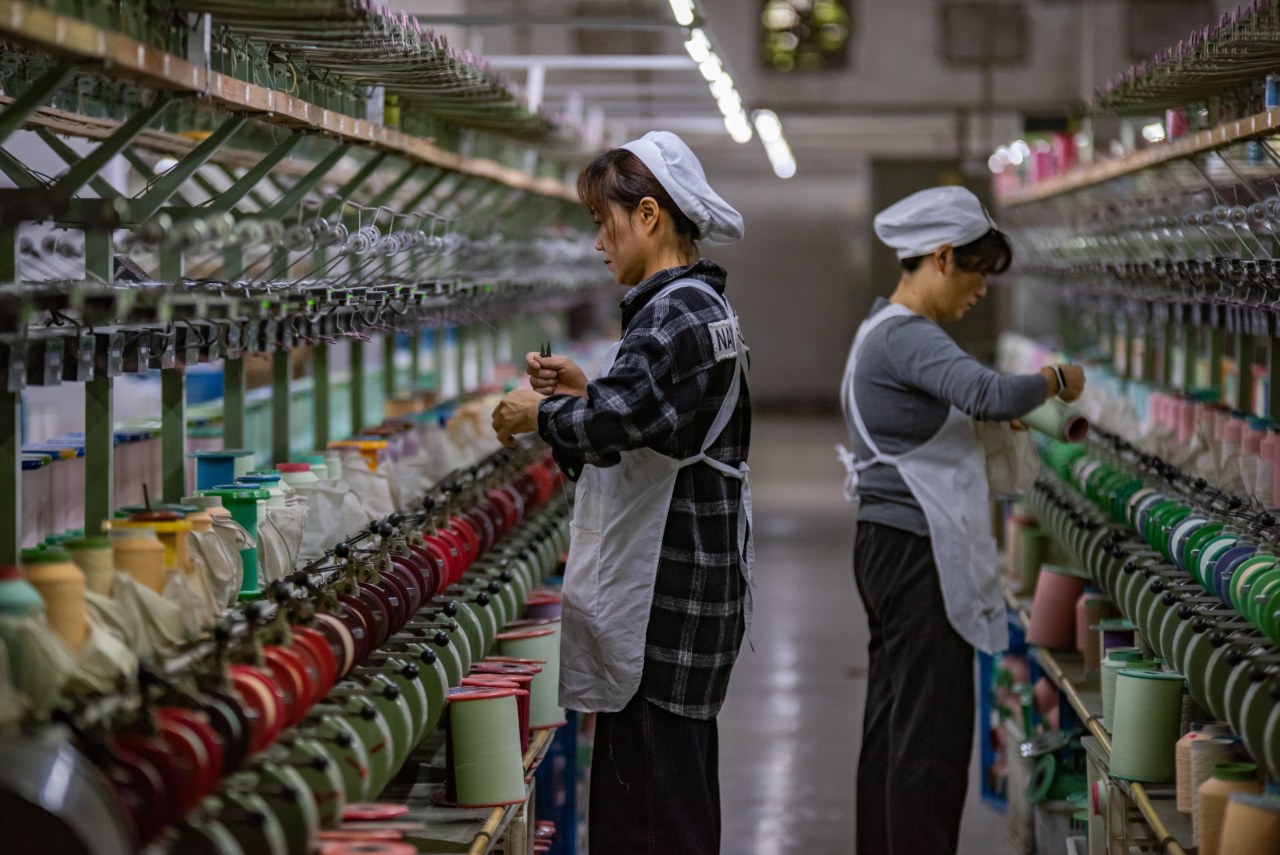
China has reported a significant decline in investment, marking one of the worst downturns in recent years. According to the National Bureau of Statistics, foreign direct investment (FDI) fell by 14% in the first half of 2023, continuing a troubling trend that began to emerge last year. This decline highlights the ongoing economic challenges facing the country as it strives to recover from the effects of the pandemic.
The latest figures reveal that the slowdown is not limited to investment. Consumption has also weakened, with retail sales experiencing their longest stretch of declining growth since 2021. In August, retail sales grew by only 4.6%, a stark contrast to the double-digit growth rates observed prior to the pandemic. This sluggish performance raises concerns about the overall health of the Chinese economy.
Investment Landscape and Economic Implications
The drop in foreign investment has various implications for China’s economic landscape. Analysts suggest that reduced investor confidence is linked to a combination of factors, including regulatory uncertainties and geopolitical tensions. The Chinese government has been implementing reforms to attract foreign capital, but these efforts have yet to yield significant results.
In addition to foreign investment woes, the domestic market shows signs of fatigue. The prolonged deceleration in retail sales indicates that consumer spending is not rebounding as anticipated. Many consumers remain cautious, influenced by economic uncertainties and rising living costs. This cautious spending behavior is a critical factor that could hinder the nation’s economic recovery.
According to the National Bureau of Statistics, the slowdown in consumption is evident across various sectors. Essential goods have seen stagnant growth, while discretionary spending has sharply declined. The Chinese economy relies heavily on consumption for its growth, making these trends particularly concerning for policymakers.
Government Response and Future Outlook
In response to these challenges, the Chinese government is expected to implement additional stimulus measures aimed at bolstering investment and consumer confidence. Authorities are likely to consider easing restrictions on certain industries and enhancing support for small and medium-sized enterprises.
As the government navigates these economic headwinds, the focus will be on fostering a more resilient economic framework. The upcoming policy decisions will be critical in determining whether China can stabilize its investment climate and stimulate consumer spending.
The economic indicators from 2023 suggest that China faces a complex road ahead. Investors and consumers alike are watching closely, as the outcomes of government interventions will play a vital role in shaping the future of the world’s second-largest economy. The path to recovery may be long, but decisive action could help restore confidence and drive growth in the coming months.

Urgent: Vehicle Fire Closes Two Lanes on I-215 in Salt Lake City

Knicks Dominate Raptors 116-94 at Home, Extend Winning Streak

Hallmark’s ‘Christmas at the Catnip Café’ Premieres Tonight!

Millville Woman Arrested for Threatening U-Haul Worker with Baton

Japan’s PM Takaichi Confirms Continued Fiscal Management Strategy

Bitcoin Plummets Below $88K Amid Tether Concerns and Warnings

Designers Unveil 5 Urgent Tricks to Transform Outdoor Eyesores

Shark Teeth Research Reveals Urgent Need to Protect Species

Church Members Unite in Resilience After Thanksgiving Fire

University of Hawaiʻi Joins $25.6M AI Initiative to Monitor Disasters

Toledo City League Announces Hall of Fame Inductees for 2024

DOJ Seizes $15 Billion in Bitcoin from Major Crypto Fraud Network

Sharp Launches Five New Aquos QLED 4K Ultra HD Smart TVs

Celtics Coach Joe Mazzulla Dominates Local Media in Scrimmage

Mutual Advisors LLC Increases Stake in SPDR Portfolio ETF

Community Unites for 7th Annual Walk to Raise Mental Health Awareness

Western Executives Confront Harsh Realities of China’s Manufacturing Edge

INK Entertainment Launches Exclusive Sofia Pop-Up at Virgin Hotels
-
Science4 weeks ago
University of Hawaiʻi Joins $25.6M AI Initiative to Monitor Disasters
-
 Lifestyle2 months ago
Toledo City League Announces Hall of Fame Inductees for 2024
-
 Business2 months ago
DOJ Seizes $15 Billion in Bitcoin from Major Crypto Fraud Network
-
 Top Stories2 months ago
Sharp Launches Five New Aquos QLED 4K Ultra HD Smart TVs
-
 Sports2 months ago
Celtics Coach Joe Mazzulla Dominates Local Media in Scrimmage
-
 Politics2 months ago
Mutual Advisors LLC Increases Stake in SPDR Portfolio ETF
-
 Health2 months ago
Community Unites for 7th Annual Walk to Raise Mental Health Awareness
-
 Science2 months ago
Western Executives Confront Harsh Realities of China’s Manufacturing Edge
-
 World2 months ago
INK Entertainment Launches Exclusive Sofia Pop-Up at Virgin Hotels
-

 Politics2 months ago
Major Networks Reject Pentagon’s New Reporting Guidelines
-

 Science1 month ago
Astronomers Discover Twin Cosmic Rings Dwarfing Galaxies
-

 Top Stories1 month ago
Randi Mahomes Launches Game Day Clothing Line with Chiefs