
Health
Five Everyday Habits That Can Slow Biological Aging

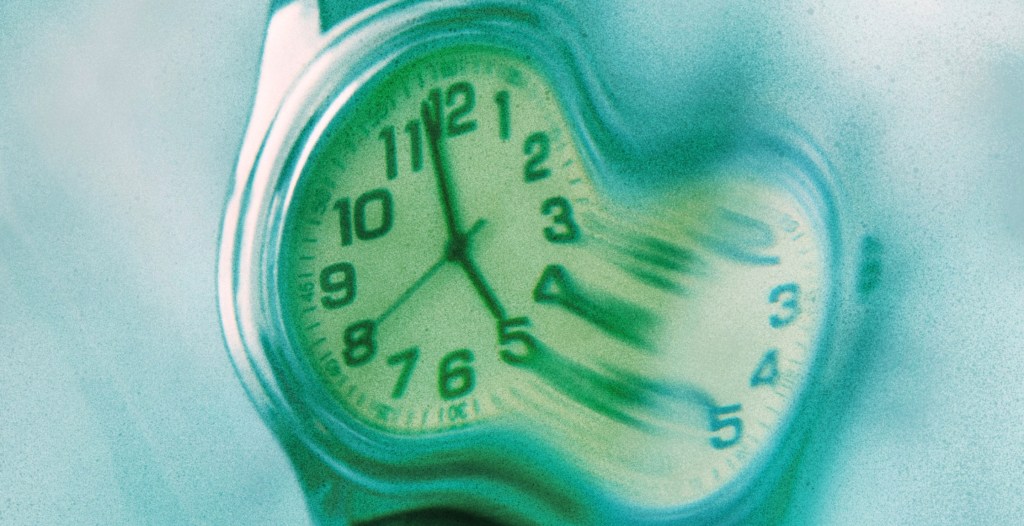
Many individuals seek quick fixes to combat the effects of aging, often turning to products like blue-light masks and various supplements. However, experts emphasize that certain lifestyle habits can significantly influence biological age—the cellular measure of aging that often predicts health more reliably than chronological age. Here are five practical habits that can help slow the aging process.
Prioritize Quality Sleep
Research indicates that sleep plays a crucial role in overall health and longevity. Quality sleep promotes hormonal balance, removes cellular waste, and enhances immune and brain function. According to experts, consistent sleep patterns are linked to slower epigenetic aging. Aim for seven to nine hours of restful sleep each night. Creating a dark, cool environment and limiting phone use before bedtime can improve sleep quality and, consequently, biological age.
Increase Physical Activity
Regular exercise is one of the most effective ways to positively impact biological age. Studies show that even moderate exercise regimes can alter aging markers. Aim for a mix of strength training and aerobic activities, like brisk walking or cycling, at least three to four times a week. If you have a sedentary job, try to stand up every hour and take the stairs whenever possible. Small, consistent efforts in physical activity can yield significant health benefits over time.
Adopt a Nutrient-Rich Diet
Diet plays a pivotal role in determining biological age. Eating habits that emphasize whole, plant-based foods—such as fruits, vegetables, whole grains, legumes, nuts, healthy fats, and fish—are associated with younger biological profiles. Reducing the consumption of ultra-processed foods, added sugars, and excess sodium can also mitigate health risks related to weight and blood sugar levels. Such dietary choices provide essential nutrients that promote cellular repair and reduce stress responses.
Limit Harmful Vices
Habits such as smoking and heavy alcohol consumption have been shown to accelerate biological aging. Both behaviors can inflict damage on DNA and overall health. If quitting smoking is challenging, consider seeking assistance or support systems. For alcohol, setting a weekly limit and designating alcohol-free days can contribute to better health outcomes. By making these changes, individuals can improve liver function, heart health, and sleep quality.
Manage Stress Effectively
Chronic stress can take a toll on the body, disrupting hormonal balance and weakening immunity. It can also interfere with sleep, contributing to advanced biological aging. Building time for relaxation and self-care into your schedule is vital. Simple practices like ten minutes of mindfulness meditation, regular exercise, or socializing with friends can help alleviate stress. Recognizing when to say “no” to additional commitments can also protect your mental and emotional well-being.
These five habits—prioritizing sleep, increasing physical activity, eating a nutrient-rich diet, limiting harmful vices, and managing stress—can significantly alter biological age. Adopting a routine that incorporates these practices is an effective way to maintain health and vitality as one ages. Rather than relying on quick fixes, embracing these sustainable habits can lead to long-lasting benefits for both body and mind.

Arlene Hartman, Beloved Community Member, Passes at 87

Urgent: Vehicle Fire Closes Two Lanes on I-215 in Salt Lake City

Knicks Dominate Raptors 116-94 at Home, Extend Winning Streak

Hallmark’s ‘Christmas at the Catnip Café’ Premieres Tonight!

Millville Woman Arrested for Threatening U-Haul Worker with Baton

Japan’s PM Takaichi Confirms Continued Fiscal Management Strategy

Bitcoin Plummets Below $88K Amid Tether Concerns and Warnings

Designers Unveil 5 Urgent Tricks to Transform Outdoor Eyesores

Shark Teeth Research Reveals Urgent Need to Protect Species

University of Hawaiʻi Joins $25.6M AI Initiative to Monitor Disasters

Toledo City League Announces Hall of Fame Inductees for 2024

DOJ Seizes $15 Billion in Bitcoin from Major Crypto Fraud Network

Sharp Launches Five New Aquos QLED 4K Ultra HD Smart TVs

Celtics Coach Joe Mazzulla Dominates Local Media in Scrimmage

Mutual Advisors LLC Increases Stake in SPDR Portfolio ETF

Community Unites for 7th Annual Walk to Raise Mental Health Awareness

Western Executives Confront Harsh Realities of China’s Manufacturing Edge

INK Entertainment Launches Exclusive Sofia Pop-Up at Virgin Hotels
-
Science4 weeks ago
University of Hawaiʻi Joins $25.6M AI Initiative to Monitor Disasters
-
 Lifestyle2 months ago
Toledo City League Announces Hall of Fame Inductees for 2024
-
 Business2 months ago
DOJ Seizes $15 Billion in Bitcoin from Major Crypto Fraud Network
-
 Top Stories2 months ago
Sharp Launches Five New Aquos QLED 4K Ultra HD Smart TVs
-
 Sports2 months ago
Celtics Coach Joe Mazzulla Dominates Local Media in Scrimmage
-
 Politics2 months ago
Mutual Advisors LLC Increases Stake in SPDR Portfolio ETF
-
 Health2 months ago
Community Unites for 7th Annual Walk to Raise Mental Health Awareness
-
 Science2 months ago
Western Executives Confront Harsh Realities of China’s Manufacturing Edge
-
 World2 months ago
INK Entertainment Launches Exclusive Sofia Pop-Up at Virgin Hotels
-

 Politics2 months ago
Major Networks Reject Pentagon’s New Reporting Guidelines
-

 Science1 month ago
Astronomers Discover Twin Cosmic Rings Dwarfing Galaxies
-

 Top Stories1 month ago
Randi Mahomes Launches Game Day Clothing Line with Chiefs