
Business
Super-Rich Hire Wall Street Executives to Manage Wealth

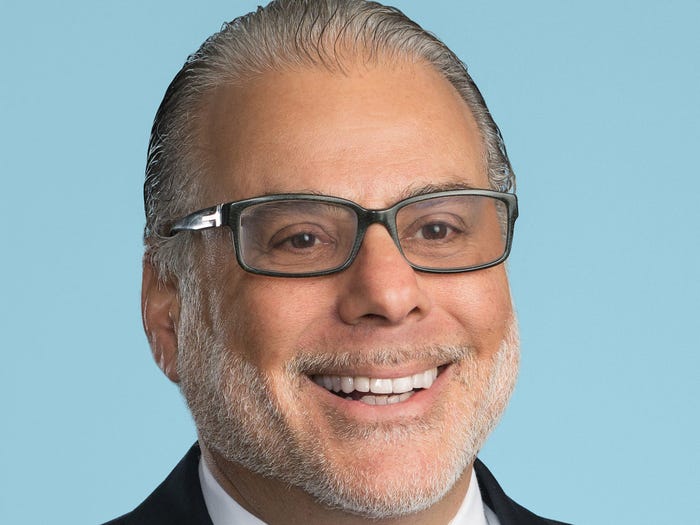
The trend of hiring experienced executives from Wall Street to manage family wealth is gaining momentum among ultra-high-net-worth individuals. In a notable move, Mike Bezos, father of Amazon founder Jeff Bezos, appointed Valeria Alberola as the chief executive of his family office, Aurora Borealis Nezos, in September 2023. This decision reflects a broader shift among wealthy families towards professional management of their assets.
According to a report by JPMorgan, approximately 50% of family offices now employ non-family members in key leadership roles. This figure rises to 63% among family offices that manage assets exceeding $1 billion. The change signals a transformation from traditional family-run operations into sophisticated investment platforms.
The appointment of Alberola, a former executive for Walmart heir Ben Walton, is part of an effort to oversee an estimated $40 billion fortune, ensuring its growth and sustainability for future generations. The Wall Street Journal highlights that the transition is not surprising to industry insiders. Michael Kosnitzky, co-leader of Pillsbury’s Private Client & Family Office practice, remarked, “This has been going on for years,” indicating that the hiring of seasoned financiers for family offices is a well-established trend.
Family offices have evolved significantly over the years. Once primarily administrative entities focused on tax and estate planning, they now resemble boutique hedge funds or private equity firms. Kosnitzky notes that many family offices are engaging in direct investments, collaborating with other wealthy families, and establishing their own venture and real estate initiatives.
The influx of liquidity events, such as initial public offerings and business sales, has left many ultra-wealthy families with substantial cash reserves. This financial landscape encourages a younger generation of billionaires, often self-made and technologically adept, to pursue direct investment opportunities rather than relying on traditional banking services. Furthermore, families are increasingly cooperating to invest in startups and private ventures, a practice known as “club investing.”
As more families embrace this model, they seek to mitigate potential conflicts of interest associated with third-party fund managers. Kosnitzky highlights that 73% of family offices have implemented formal governance structures, including boards of directors or investment committees, to address the complexities of managing significant wealth effectively.
Leading a family office demands a blend of skills, combining financial acumen with personal dynamics. The role entails not only asset management but also philanthropy, art curation, and navigating familial relationships. Kosnitzky explains, “You’re not running a business in the traditional sense; you’re running a family.” Successful family office executives must balance investment strategies with emotional intelligence, recognizing that legacy and continuity are just as vital as financial returns.
As the ultra-rich continue to professionalize their wealth management strategies, they seek institutional discipline while avoiding the bureaucratic constraints typically associated with corporate structures. Kosnitzky notes that this trend has been present for several years, with a particular focus on how to align interests and compensate executives effectively.
The JPMorgan report indicates that most family offices prefer to maintain a lean structure, with 82% employing only one to three senior executives. These executives often possess a broad range of expertise, enabling them to manage investment oversight, succession planning, and governance simultaneously.
For many professionals transitioning from Wall Street to family offices, this shift presents an opportunity to exchange the pressures of quarterly evaluations for a more influential, long-term role. As Kosnitzky points out, “They’re being compensated with a piece of the action,” making these positions appealing for top talent in finance.
This emerging approach to wealth management not only reflects the changing landscape of family offices but also highlights the desire of the super-rich to maintain control over their financial legacies while adapting to modern investment strategies.

Im Si Wan’s New Photos Spark Intense Online Debate Today

Holiday Gift Guide: Essential Tips for Coworker Gifting NOW

Navigate Holiday Gift-Giving for Coworkers with Ease

Readers React to Epstein Scandal and Playwright’s Legacy

SoftBank and Yaskawa Collaborate to Develop Advanced AI Robots

Broncos Triumph in Overtime as Bonitto Seals Victory Against Commanders

Search for Victims of Hong Kong Fire Approaches Conclusion

Cyber Monday 2025: Unmissable Amazon Deals to Grab Now

Urgent: Dallas Pension Board Rejects City’s ‘Final’ Proposal

University of Hawaiʻi Joins $25.6M AI Initiative to Monitor Disasters

Toledo City League Announces Hall of Fame Inductees for 2024

DOJ Seizes $15 Billion in Bitcoin from Major Crypto Fraud Network

Sharp Launches Five New Aquos QLED 4K Ultra HD Smart TVs

Celtics Coach Joe Mazzulla Dominates Local Media in Scrimmage

Mutual Advisors LLC Increases Stake in SPDR Portfolio ETF

Community Unites for 7th Annual Walk to Raise Mental Health Awareness

Western Executives Confront Harsh Realities of China’s Manufacturing Edge

INK Entertainment Launches Exclusive Sofia Pop-Up at Virgin Hotels
-
Science4 weeks ago
University of Hawaiʻi Joins $25.6M AI Initiative to Monitor Disasters
-
 Lifestyle2 months ago
Toledo City League Announces Hall of Fame Inductees for 2024
-
 Business2 months ago
DOJ Seizes $15 Billion in Bitcoin from Major Crypto Fraud Network
-
 Top Stories2 months ago
Sharp Launches Five New Aquos QLED 4K Ultra HD Smart TVs
-
 Sports2 months ago
Celtics Coach Joe Mazzulla Dominates Local Media in Scrimmage
-
 Politics2 months ago
Mutual Advisors LLC Increases Stake in SPDR Portfolio ETF
-
 Health2 months ago
Community Unites for 7th Annual Walk to Raise Mental Health Awareness
-
 Science2 months ago
Western Executives Confront Harsh Realities of China’s Manufacturing Edge
-
 World2 months ago
INK Entertainment Launches Exclusive Sofia Pop-Up at Virgin Hotels
-

 Politics2 months ago
Major Networks Reject Pentagon’s New Reporting Guidelines
-

 Science1 month ago
Astronomers Discover Twin Cosmic Rings Dwarfing Galaxies
-

 Top Stories1 month ago
Randi Mahomes Launches Game Day Clothing Line with Chiefs