
Top Stories
Canonical’s MicroCloud Launches: Transforming Home Labs NOW

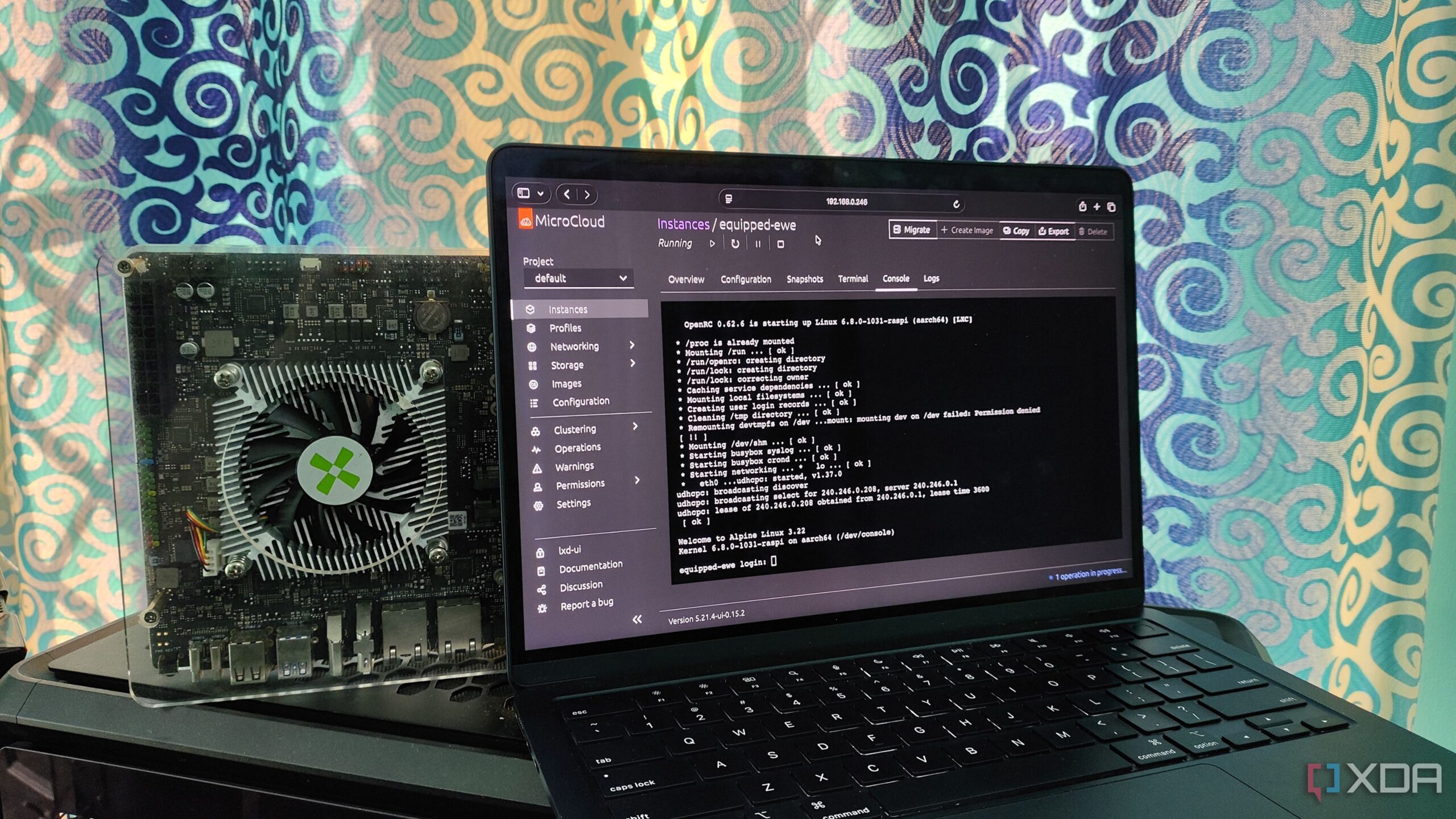
UPDATE: Canonical’s new MicroCloud platform is making waves in the home lab community as it officially launches, offering users a powerful and versatile virtualization solution. This innovative platform, which supports both virtual machines and containers, is a game changer for tech enthusiasts and professionals alike.
Just announced today, MicroCloud is designed to run seamlessly on low-power devices, including the popular Raspberry Pi. Users can now deploy lightweight containers and manage virtual machines with unprecedented ease. Early adopters have reported impressive performance, exceeding expectations in functionality and user experience.
MicroCloud stands out by incorporating essential home lab features that many platforms lack. Unlike traditional virtualization distributions, MicroCloud supports containerization through LXD, enabling efficient deployment on older hardware and single-board computers. This versatility allows users to maximize their computing resources, a crucial benefit for those operating on tight budgets.
One of the most significant features of MicroCloud is its high-availability (HA) clustering capabilities. This functionality is vital for users who require resilience and fault tolerance in their setups. MicroCloud utilizes micro-service architectures, including MicroCeph for distributed storage management and MicroOVN for networking. Such robust infrastructure ensures that users can maintain operational continuity even during hardware failures.
The platform’s user-friendly interface is another highlight. With a few simple commands, users can easily deploy servers and add cluster nodes. The web interface supports straightforward operations, from creating storage pools to managing snapshots of virtual machines. This simplicity is particularly appealing to those who may find traditional virtualization platforms overly complex.
MicroCloud also boasts compatibility with Arm systems, enabling it to run effectively on Raspberry Pi devices. Users have reported smooth installations and successful deployments of LXDs without compatibility issues. This is a significant advantage for DIY enthusiasts looking to experiment with home labs on low-cost hardware.
Despite its strengths, MicroCloud does come with some limitations. Users migrating from Proxmox may miss community scripts for container management, and the platform currently lacks external backup support for virtual guests. However, its built-in snapshot functionality remains reliable.
For tech hobbyists and professionals seeking an accessible, free home server platform, Canonical’s MicroCloud is worth exploring. Its innovative features and adaptability to various hardware make it a compelling choice in the rapidly evolving virtualization landscape. As word spreads about MicroCloud’s capabilities, expect to see a surge in adoption among home lab enthusiasts seeking to enhance their setups.
Stay tuned for more updates as the MicroCloud platform continues to evolve and gain traction in the tech community.

Broomfield Police Urgently Seek Toy Donations by Dec. 11

Urgent: Sewer Improvements Underway in Buffalo’s Fruit Belt

Next-Gen Xbox Magnus Set to Rival Steam Machines with Premium Specs

Trump Issues Ultimatum to Maduro; Venezuela Closes Airspace Amid Tensions

Microsoft Faces Major Windows 11 Crisis as Core Features Fail

Kino Lorber Acquires North American Rights to ‘The Currents’

UGG Offers Historic Discounts on Tasman II Slippers for Cyber Monday

Organizing Committee for 2034 Olympics to Meet Monday Morning

Whitney Leavitt to Star as Roxie Hart in Chicago on Broadway

University of Hawaiʻi Joins $25.6M AI Initiative to Monitor Disasters

Toledo City League Announces Hall of Fame Inductees for 2024

DOJ Seizes $15 Billion in Bitcoin from Major Crypto Fraud Network

Sharp Launches Five New Aquos QLED 4K Ultra HD Smart TVs

Celtics Coach Joe Mazzulla Dominates Local Media in Scrimmage

Mutual Advisors LLC Increases Stake in SPDR Portfolio ETF

Community Unites for 7th Annual Walk to Raise Mental Health Awareness

Western Executives Confront Harsh Realities of China’s Manufacturing Edge

INK Entertainment Launches Exclusive Sofia Pop-Up at Virgin Hotels
-
Science4 weeks ago
University of Hawaiʻi Joins $25.6M AI Initiative to Monitor Disasters
-
 Lifestyle2 months ago
Toledo City League Announces Hall of Fame Inductees for 2024
-
 Business2 months ago
DOJ Seizes $15 Billion in Bitcoin from Major Crypto Fraud Network
-
 Top Stories2 months ago
Sharp Launches Five New Aquos QLED 4K Ultra HD Smart TVs
-
 Sports2 months ago
Celtics Coach Joe Mazzulla Dominates Local Media in Scrimmage
-
 Politics2 months ago
Mutual Advisors LLC Increases Stake in SPDR Portfolio ETF
-
 Health2 months ago
Community Unites for 7th Annual Walk to Raise Mental Health Awareness
-
 Science2 months ago
Western Executives Confront Harsh Realities of China’s Manufacturing Edge
-
 World2 months ago
INK Entertainment Launches Exclusive Sofia Pop-Up at Virgin Hotels
-

 Politics2 months ago
Major Networks Reject Pentagon’s New Reporting Guidelines
-

 Science1 month ago
Astronomers Discover Twin Cosmic Rings Dwarfing Galaxies
-

 Top Stories1 month ago
Randi Mahomes Launches Game Day Clothing Line with Chiefs