
Science
New Bioinspired Instrument Aims to Assess Planetary Habitability

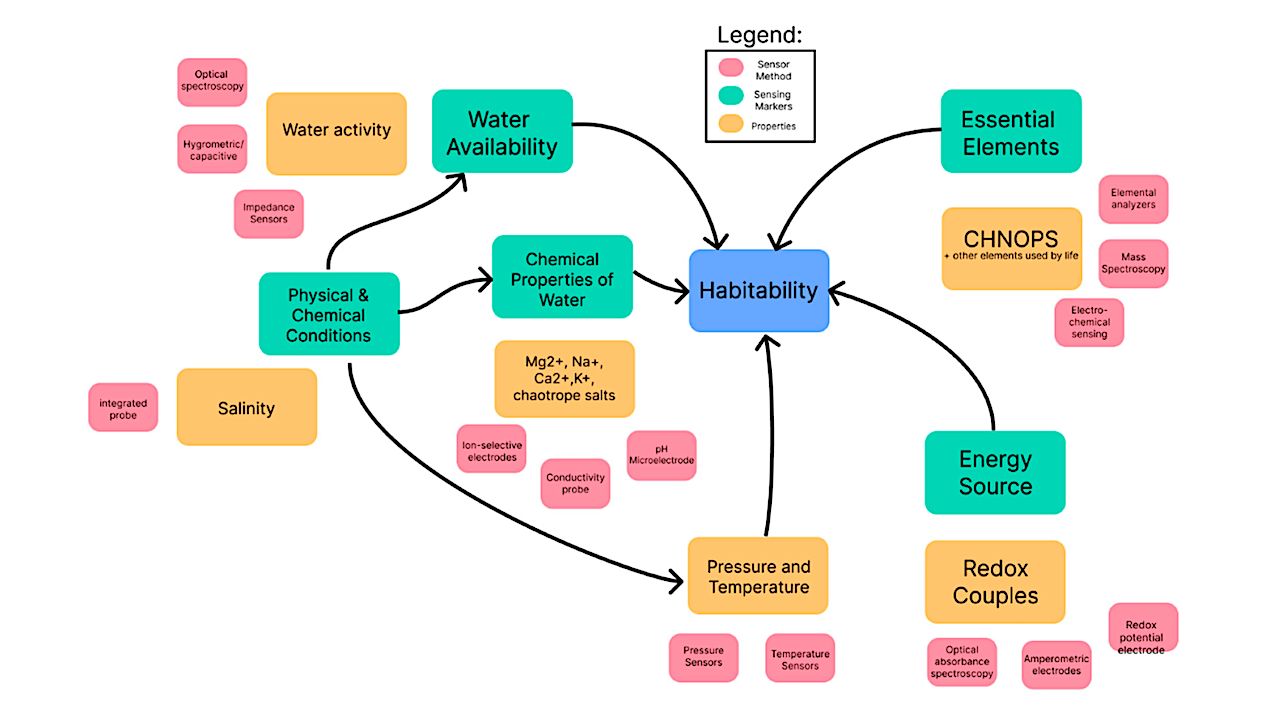
Astrobiologists are advancing the search for extraterrestrial life with the development of a bioinspired instrument designed to assess planetary habitability. This initiative aims to create a comprehensive tool that can measure essential indicators of life, such as the presence of liquid water and crucial elements like carbon, hydrogen, nitrogen, oxygen, phosphorus, and sulfur (collectively known as CHNOPS).
The proposed instrument, referred to as the Total Habitability Instrument, seeks to streamline the assessment of whether environments on other planetary bodies can support known life forms. According to researchers, understanding these factors is vital for future planetary exploration missions.
Assessing Key Indicators of Life
In order to determine an environment’s potential to support life, several critical requirements must be met. These include assessing the availability of liquid water, essential nutrients, energy supplies, and other chemical building blocks necessary for life as we know it. The Total Habitability Instrument aims to integrate multiple sensing technologies into a single device, enhancing the efficiency and effectiveness of data collection during exploration missions.
Research indicates that the combination of these measurements can provide a clearer picture of a planet’s habitability. The instrument could facilitate more informed decisions regarding which planetary bodies warrant further exploration, thereby optimizing resource allocation for scientific missions.
Technological Innovations in Sensing
The design of this bioinspired instrument draws from natural processes, potentially allowing it to operate in varied and harsh extraterrestrial environments. By mimicking efficient biological systems, scientists hope to improve the instrument’s sensitivity and reliability.
Current advancements in sensing technologies demonstrate promising capabilities in detecting the necessary indicators of habitability. These technologies include miniature spectroscopy for elemental analysis and advanced sensors for assessing water quality and nutrient availability. By integrating these technologies, the Total Habitability Instrument could revolutionize how scientists approach the exploration of other worlds.
As the quest for life beyond Earth intensifies, developments like the Total Habitability Instrument represent a significant step forward in astrobiology. Researchers are optimistic that this innovation will enhance our understanding of the universe and pave the way for future discoveries.

Knicks Dominate Raptors 116-94 at Home, Extend Winning Streak

Hallmark’s ‘Christmas at the Catnip Café’ Premieres Tonight!

Millville Woman Arrested for Threatening U-Haul Worker with Baton

Japan’s PM Takaichi Confirms Continued Fiscal Management Strategy

Bitcoin Plummets Below $88K Amid Tether Concerns and Warnings

Designers Unveil 5 Urgent Tricks to Transform Outdoor Eyesores

Shark Teeth Research Reveals Urgent Need to Protect Species

Church Members Unite in Resilience After Thanksgiving Fire

Community Unites to Attempt World Record for Largest Cookie Exchange

University of Hawaiʻi Joins $25.6M AI Initiative to Monitor Disasters

Toledo City League Announces Hall of Fame Inductees for 2024

DOJ Seizes $15 Billion in Bitcoin from Major Crypto Fraud Network

Sharp Launches Five New Aquos QLED 4K Ultra HD Smart TVs

Celtics Coach Joe Mazzulla Dominates Local Media in Scrimmage

Mutual Advisors LLC Increases Stake in SPDR Portfolio ETF

Community Unites for 7th Annual Walk to Raise Mental Health Awareness

Western Executives Confront Harsh Realities of China’s Manufacturing Edge

INK Entertainment Launches Exclusive Sofia Pop-Up at Virgin Hotels
-
Science4 weeks ago
University of Hawaiʻi Joins $25.6M AI Initiative to Monitor Disasters
-
 Lifestyle2 months ago
Toledo City League Announces Hall of Fame Inductees for 2024
-
 Business2 months ago
DOJ Seizes $15 Billion in Bitcoin from Major Crypto Fraud Network
-
 Top Stories2 months ago
Sharp Launches Five New Aquos QLED 4K Ultra HD Smart TVs
-
 Sports2 months ago
Celtics Coach Joe Mazzulla Dominates Local Media in Scrimmage
-
 Politics2 months ago
Mutual Advisors LLC Increases Stake in SPDR Portfolio ETF
-
 Health2 months ago
Community Unites for 7th Annual Walk to Raise Mental Health Awareness
-
 Science2 months ago
Western Executives Confront Harsh Realities of China’s Manufacturing Edge
-
 World2 months ago
INK Entertainment Launches Exclusive Sofia Pop-Up at Virgin Hotels
-

 Politics2 months ago
Major Networks Reject Pentagon’s New Reporting Guidelines
-

 Science1 month ago
Astronomers Discover Twin Cosmic Rings Dwarfing Galaxies
-

 Top Stories1 month ago
Randi Mahomes Launches Game Day Clothing Line with Chiefs