
Top Stories
Local LLM Transforms Home Automation, Outperforms Alexa NOW

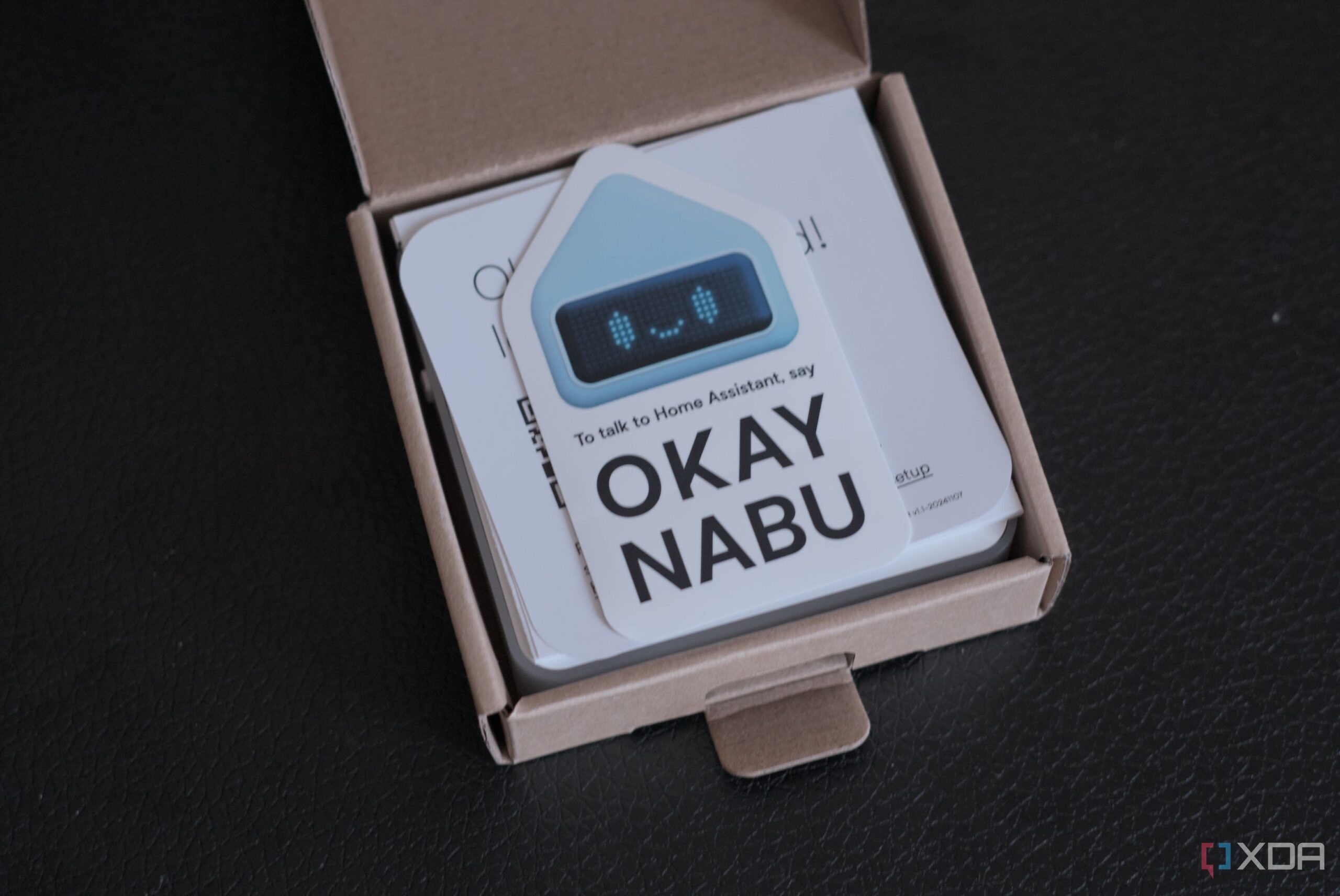
BREAKING: A revolutionary shift in smart home technology is happening NOW as enthusiasts connect local large language models (LLMs) to home automation systems, proving to be smarter than traditional assistants like Alexa. This development offers users a more private, efficient, and customizable experience in managing their homes.
Innovators are ditching cloud-based assistants due to their limitations, opting instead for local solutions that run entirely on their own hardware. As a result, users can now control their smart devices with simple voice commands, enabling complex automations without being tethered to the internet.
Just announced: Users report that integrating LLMs with Home Assistant allows for seamless control of smart devices like lights and plugs. One user shared, “I can now say, ‘Okay, Nabu. Good night,’ and all the lights turn off without a hitch.”
This shift is a game-changer, particularly for those frustrated with the constraints of cloud-based systems. Traditional assistants like Alexa and Google Assistant often restrict users to predefined commands, but local LLMs can adapt and learn, making them far more intuitive. The rise of local AI is also a response to growing privacy concerns, as these systems do not transmit data to the cloud.
Experts highlight that setting up a local assistant is easier than ever. Users can create their own version of ChatGPT using tools like Ollama and Proxmox. The integration process is streamlined, requiring users to configure their network settings, select models, and connect via API.
Once established, users can interact with their LLM through voice commands, thanks to integration with Whisper for transcription and Piper for text-to-speech functionalities. This setup not only enhances user experience but also enables more sophisticated task management, such as controlling lighting based on real-time data from IP cameras.
The benefits are substantial: users have reported that their local assistants can store data about the household, providing customized responses and understanding context. For example, the system can recognize family members and adjust settings accordingly when they return home in the dark.
As this technology advances, the home automation landscape is poised for rapid transformation. The potential for more complex integrations and functionalities is significant, making it an exciting time for tech enthusiasts and everyday users alike.
For those interested in diving into this innovative technology, resources and guides are readily available. The community is actively sharing insights on how to set up local AI systems, encouraging more users to take control of their home automation without relying on major tech companies.
What’s next? As the demand for smarter, more private home automation solutions grows, expect to see more users transitioning to local LLMs. This trend could redefine the future of smart homes, highlighting the importance of customization and user control in an increasingly digital world.
Stay tuned for further updates on this developing story. The local LLM revolution is just beginning!

Trump Issues Ultimatum to Maduro; Venezuela Closes Airspace Amid Tensions

Microsoft Faces Major Windows 11 Crisis as Core Features Fail

Kino Lorber Acquires North American Rights to ‘The Currents’

UGG Offers Historic Discounts on Tasman II Slippers for Cyber Monday

Organizing Committee for 2034 Olympics to Meet Monday Morning

Whitney Leavitt to Star as Roxie Hart in Chicago on Broadway

Berlin Patient Achieves HIV Remission After Cancer Treatment

BTS Duo Jimin and Jung Kook Return with Season Two of ‘Are You Sure?!’

Cory Booker Ties the Knot Amid 2028 Presidential Ambitions

University of Hawaiʻi Joins $25.6M AI Initiative to Monitor Disasters

Toledo City League Announces Hall of Fame Inductees for 2024

DOJ Seizes $15 Billion in Bitcoin from Major Crypto Fraud Network

Sharp Launches Five New Aquos QLED 4K Ultra HD Smart TVs

Celtics Coach Joe Mazzulla Dominates Local Media in Scrimmage

Community Unites for 7th Annual Walk to Raise Mental Health Awareness

Mutual Advisors LLC Increases Stake in SPDR Portfolio ETF

Western Executives Confront Harsh Realities of China’s Manufacturing Edge

INK Entertainment Launches Exclusive Sofia Pop-Up at Virgin Hotels
-
Science4 weeks ago
University of Hawaiʻi Joins $25.6M AI Initiative to Monitor Disasters
-
 Lifestyle2 months ago
Toledo City League Announces Hall of Fame Inductees for 2024
-
 Business2 months ago
DOJ Seizes $15 Billion in Bitcoin from Major Crypto Fraud Network
-
 Top Stories2 months ago
Sharp Launches Five New Aquos QLED 4K Ultra HD Smart TVs
-
 Sports2 months ago
Celtics Coach Joe Mazzulla Dominates Local Media in Scrimmage
-
 Health2 months ago
Community Unites for 7th Annual Walk to Raise Mental Health Awareness
-
 Politics2 months ago
Mutual Advisors LLC Increases Stake in SPDR Portfolio ETF
-
 Science2 months ago
Western Executives Confront Harsh Realities of China’s Manufacturing Edge
-
 World2 months ago
INK Entertainment Launches Exclusive Sofia Pop-Up at Virgin Hotels
-

 Politics2 months ago
Major Networks Reject Pentagon’s New Reporting Guidelines
-

 Science1 month ago
Astronomers Discover Twin Cosmic Rings Dwarfing Galaxies
-

 Top Stories1 month ago
Randi Mahomes Launches Game Day Clothing Line with Chiefs