
Health
Congress Restores Government Operations, HIV Funding Faces Uncertainty

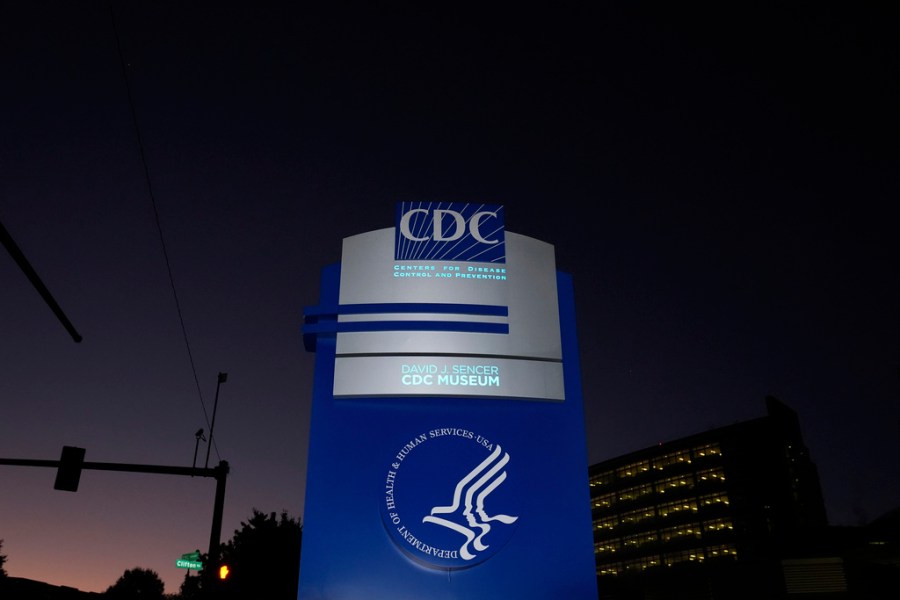
The United States Congress has successfully reached a bipartisan agreement to end the government shutdown, allowing federal operations to resume. This resolution provides a temporary reprieve for various federal programs but leaves significant health initiatives, including the nation’s response to HIV, under a continuing resolution until January 30, 2026. As a result, funding for prevention, treatment, and care programs will remain at levels established in the previous fiscal year.
The agreement, which came after extensive negotiations, underscores the ongoing challenges within Congress regarding long-term funding for essential health services. Lawmakers emphasized the importance of maintaining consistent support for programs that address critical public health issues, particularly as the nation continues to combat the HIV epidemic.
Short-Term Funding Leaves Programs Vulnerable
Under the current continuing resolution, HIV funding will not increase, potentially impacting the effectiveness of prevention and treatment programs. Advocates for public health express concern that maintaining funding at last year’s levels may not adequately address the growing needs of communities affected by HIV. These programs are essential for providing access to care and ensuring that those living with HIV receive the necessary support.
The decision to extend funding only until January 30, 2026 raises questions about the future of HIV programs. Public health experts argue that a more sustainable funding strategy is crucial to make significant progress in reducing new infections and improving health outcomes for those living with the virus.
Calls for Long-Term Commitment
Health advocacy organizations have called on Congress to prioritize a comprehensive funding strategy for HIV programs as part of the next budget negotiation. They emphasize the need for a long-term commitment to ensure that prevention and treatment initiatives can adapt to changing circumstances and continue to meet the needs of affected populations.
In the wake of this agreement, the federal government will continue to operate, but the uncertainty surrounding HIV funding highlights the fragility of health program support. As Congress prepares for future discussions, stakeholders are hopeful that lawmakers will recognize the importance of sustained investment in public health and act accordingly to safeguard essential services.
In summary, while the reopening of the government marks a crucial step forward, the continuation of HIV funding at previous levels poses a significant challenge for health programs. The coming months will be critical as Congress navigates the complexities of federal funding and seeks to establish a more stable framework for addressing the HIV epidemic.

Hallmark’s ‘Christmas at the Catnip Café’ Premieres Tonight!

Millville Woman Arrested for Threatening U-Haul Worker with Baton

Japan’s PM Takaichi Confirms Continued Fiscal Management Strategy

Bitcoin Plummets Below $88K Amid Tether Concerns and Warnings

Designers Unveil 5 Urgent Tricks to Transform Outdoor Eyesores

Shark Teeth Research Reveals Urgent Need to Protect Species

Church Members Unite in Resilience After Thanksgiving Fire

Community Unites to Attempt World Record for Largest Cookie Exchange

Mayor Lurie Appoints Alan Wong to District 4 Seat Amid Controversy

University of Hawaiʻi Joins $25.6M AI Initiative to Monitor Disasters

Toledo City League Announces Hall of Fame Inductees for 2024

DOJ Seizes $15 Billion in Bitcoin from Major Crypto Fraud Network

Sharp Launches Five New Aquos QLED 4K Ultra HD Smart TVs

Celtics Coach Joe Mazzulla Dominates Local Media in Scrimmage

Community Unites for 7th Annual Walk to Raise Mental Health Awareness

Mutual Advisors LLC Increases Stake in SPDR Portfolio ETF

Western Executives Confront Harsh Realities of China’s Manufacturing Edge

INK Entertainment Launches Exclusive Sofia Pop-Up at Virgin Hotels
-
Science4 weeks ago
University of Hawaiʻi Joins $25.6M AI Initiative to Monitor Disasters
-
 Lifestyle2 months ago
Toledo City League Announces Hall of Fame Inductees for 2024
-
 Business2 months ago
DOJ Seizes $15 Billion in Bitcoin from Major Crypto Fraud Network
-
 Top Stories2 months ago
Sharp Launches Five New Aquos QLED 4K Ultra HD Smart TVs
-
 Sports2 months ago
Celtics Coach Joe Mazzulla Dominates Local Media in Scrimmage
-
 Health2 months ago
Community Unites for 7th Annual Walk to Raise Mental Health Awareness
-
 Politics2 months ago
Mutual Advisors LLC Increases Stake in SPDR Portfolio ETF
-
 Science2 months ago
Western Executives Confront Harsh Realities of China’s Manufacturing Edge
-
 World2 months ago
INK Entertainment Launches Exclusive Sofia Pop-Up at Virgin Hotels
-

 Politics2 months ago
Major Networks Reject Pentagon’s New Reporting Guidelines
-

 Science1 month ago
Astronomers Discover Twin Cosmic Rings Dwarfing Galaxies
-

 Top Stories1 month ago
Randi Mahomes Launches Game Day Clothing Line with Chiefs