
Politics
Call for Forgiveness: Political Standards Questioned in Bangor

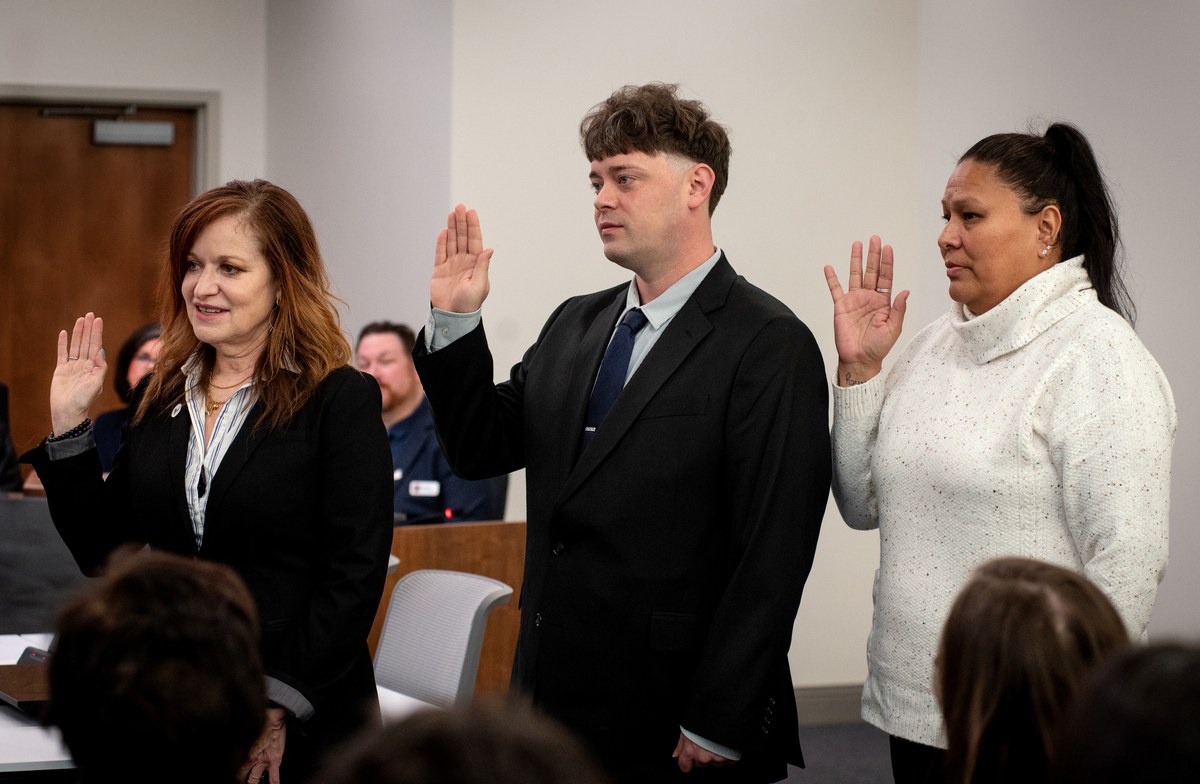
The recent election of a candidate with a criminal record to the Bangor City Council has ignited a debate about standards of forgiveness in politics. Council Chair Susan Hawes has voiced a widely shared opinion, urging constituents to move beyond past indiscretions. “People need to stop with the foolishness. The things they were talking about were 20 plus years ago. Shame on them,” she stated, referring to criticisms aimed at Graham Platner.
Platner’s history includes struggles with addiction and a criminal record, yet he has garnered support from some community members who believe in the power of redemption. In a letter to the editor, Michael P. Gleason of Bangor expressed that the same principle of understanding should apply to all politicians, citing that “most everyone did something in their youth that they later regretted.” He further emphasized that if forgiveness can be extended to those in high office, it should equally apply to Platner.
Forgiveness in Political Life
The notion of forgiveness in political contexts often generates heated discussions. Gleason’s letter highlights a broader issue—should the past actions of politicians be a barrier to their current aspirations? He pointed out that there are individuals in prominent positions, including the President, who have faced scrutiny over their past behaviors, yet have managed to maintain their roles.
This conversation reflects a growing sentiment that society should practice greater leniency towards those who have made mistakes, particularly when they demonstrate evidence of personal growth and change. As candidates like Platner seek elected positions, the expectations surrounding their pasts become focal points for voters.
Supporters argue that everyone deserves a second chance, particularly when those past actions occurred decades ago. They contend that focusing on a candidate’s history rather than their current capabilities undermines the democratic process and the principles of rehabilitation and growth.
The Impact of Past Actions on Future Roles
Critics, on the other hand, maintain that the past cannot simply be overlooked, especially when it comes to public office. They argue that elected officials should uphold a higher standard of conduct, reflecting the values and integrity expected by their constituents. The question remains: how far should voters go in forgiving past transgressions?
The Bangor City Council election serves as a poignant case study for communities grappling with similar dilemmas. As more candidates with diverse backgrounds and histories enter politics, these discussions on forgiveness and accountability will likely become increasingly relevant.
The debate surrounding Platner, Hawes, and the principles of forgiveness in politics encourages a reflection on societal values. Ultimately, it challenges voters to consider the balance between holding politicians accountable for their pasts while also recognizing their potential for change and growth.

Designers Unveil 5 Urgent Tricks to Transform Outdoor Eyesores

Shark Teeth Research Reveals Urgent Need to Protect Species

Church Members Unite in Resilience After Thanksgiving Fire

Community Unites to Attempt World Record for Largest Cookie Exchange

Mayor Lurie Appoints Alan Wong to District 4 Seat Amid Controversy

Mayor Appoints Alan Wong as New Supervisor for District 4

UK Report Reveals AI’s Role in Evaluating University Research Quality

Gabriela Jaquez Shines as No. 3 UCLA Dominates No. 14 Tennessee

Trump Promises to Release MRI Results Despite Uncertainty on Scan

University of Hawaiʻi Joins $25.6M AI Initiative to Monitor Disasters

Toledo City League Announces Hall of Fame Inductees for 2024

DOJ Seizes $15 Billion in Bitcoin from Major Crypto Fraud Network

Sharp Launches Five New Aquos QLED 4K Ultra HD Smart TVs

Celtics Coach Joe Mazzulla Dominates Local Media in Scrimmage

Community Unites for 7th Annual Walk to Raise Mental Health Awareness

Mutual Advisors LLC Increases Stake in SPDR Portfolio ETF

Western Executives Confront Harsh Realities of China’s Manufacturing Edge

INK Entertainment Launches Exclusive Sofia Pop-Up at Virgin Hotels
-
Science4 weeks ago
University of Hawaiʻi Joins $25.6M AI Initiative to Monitor Disasters
-
 Lifestyle2 months ago
Toledo City League Announces Hall of Fame Inductees for 2024
-
 Business2 months ago
DOJ Seizes $15 Billion in Bitcoin from Major Crypto Fraud Network
-
 Top Stories2 months ago
Sharp Launches Five New Aquos QLED 4K Ultra HD Smart TVs
-
 Sports2 months ago
Celtics Coach Joe Mazzulla Dominates Local Media in Scrimmage
-
 Health2 months ago
Community Unites for 7th Annual Walk to Raise Mental Health Awareness
-
 Politics2 months ago
Mutual Advisors LLC Increases Stake in SPDR Portfolio ETF
-
 Science2 months ago
Western Executives Confront Harsh Realities of China’s Manufacturing Edge
-
 World2 months ago
INK Entertainment Launches Exclusive Sofia Pop-Up at Virgin Hotels
-

 Politics2 months ago
Major Networks Reject Pentagon’s New Reporting Guidelines
-

 Science1 month ago
Astronomers Discover Twin Cosmic Rings Dwarfing Galaxies
-

 Top Stories1 month ago
Randi Mahomes Launches Game Day Clothing Line with Chiefs