
Top Stories
Waymo Launches Driverless Freeway Service Across Major U.S. Cities

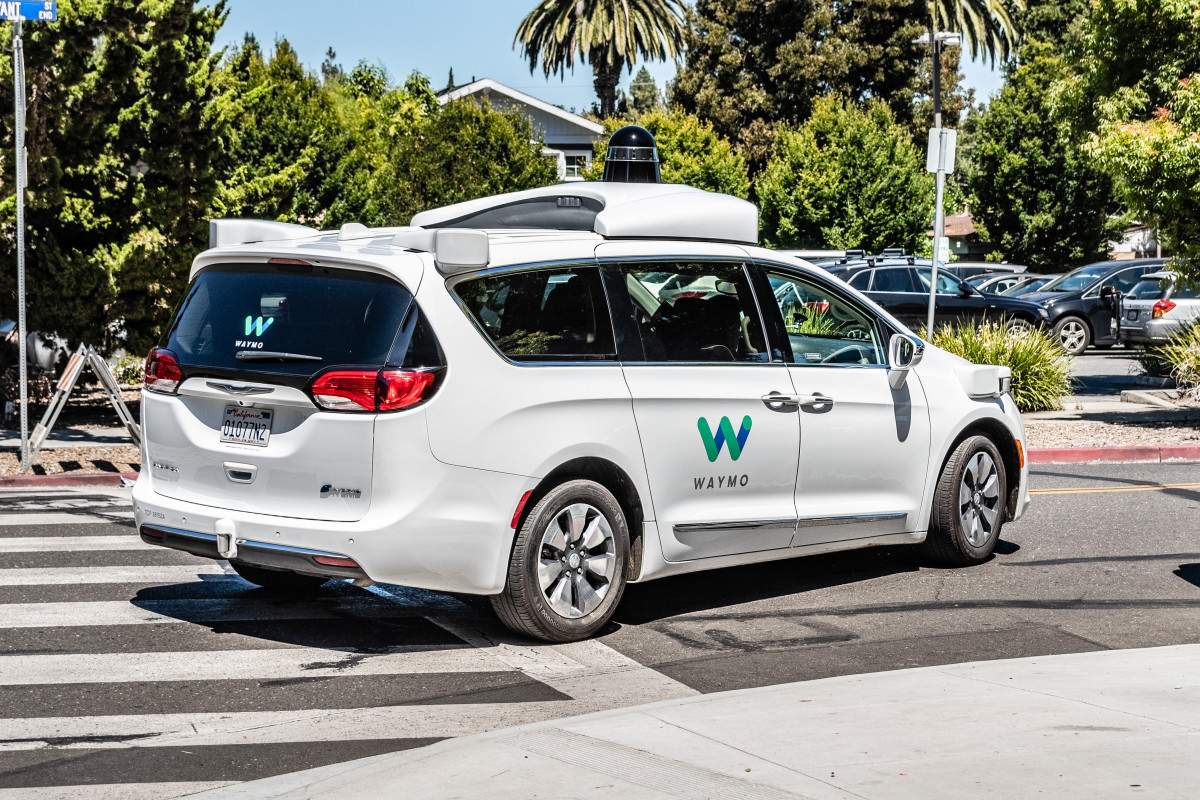
BREAKING: Waymo has just announced the launch of its fully driverless service on freeways across the Bay Area, Los Angeles, and Phoenix, heralding a major shift in autonomous transportation. This expansion allows riders to book rides via the Waymo app for fully autonomous trips on major highways, enhancing service from San Francisco to San Jose, including curbside service at San Jose Mineta International Airport (SJC).
This significant update follows extensive testing, where Waymo logged millions of miles with employees and guests in the three cities, showcasing its capacity to navigate complex high-speed scenarios. Waymo will also integrate Hyundai vehicles into its robotaxi fleet, further expanding its operational capabilities.
In light of recent safety concerns, the National Highway Traffic Safety Administration (NHTSA) launched an investigation into Waymo’s operations after footage emerged of a vehicle navigating around a school bus with flashing red lights. Waymo has since implemented crucial updates to enhance fleet performance. In an interview with TechCrunch, Waymo Co-CEO Tekedra Mawakana confirmed the company has achieved over 100 million Rider Only (RO) miles, demonstrating a safety record five times better than that of human drivers.
This latest announcement from Waymo comes as the company continues to bolster its safety measures, including third-party audits and improved capabilities in adverse weather conditions like rain and fog.
Waymo faces stiff competition in the autonomous vehicle market. While it leads in technology and safety, others are advancing rapidly. Companies like Amazon and Tesla are also enhancing their autonomous services. Amazon-owned Zoox is expanding testing locations, while Tesla aims to launch its cybercab by 2026. Meanwhile, General Motors has shifted its focus to self-driving features for personal vehicles, stepping away from its autonomous line, Cruise.
Internationally, Baidu’s Apollo Go is challenging Waymo with lower production costs, and PonyAI is moving towards a fare-charging commercial model. As Uber and Lyft integrate their fleets to adapt to the growing demand for autonomous services, Waymo is also planning geographic expansions.
Looking ahead, Waymo is eyeing new cities for 2026, including Miami and Washington, D.C., where it is working to eliminate the requirement for human supervisory drivers. Recently, Waymo secured a permit to test eight autonomous vehicles in New York, extending through December 2025.
Mawakana revealed that Waymo aims to increase its weekly rides from hundreds of thousands to 1 million rides per week by the end of 2026. This ambitious plan comes as the U.S. robotaxi market is projected to grow from $1.2 billion in 2024 to $16.24 billion by 2029, driven by urbanization and the adoption of autonomous technology.
Research & Markets indicates the autonomous vehicle market is poised for explosive growth, while Goldman Sachs projects a 90% annual growth rate in autonomous rideshare revenue, driven by decreasing costs. With over 1,500 operational vehicles currently in five U.S. cities, this number could soar to 35,000 by 2030.
As Waymo continues to expand its services and enhance safety, the implications for urban transportation and the future of mobility are profound, making this a critical moment in the evolution of driverless technology. Stay tuned for further updates on this rapidly developing story.

Microsoft Faces Major Windows 11 Crisis as Core Features Fail

Kino Lorber Acquires North American Rights to ‘The Currents’

UGG Offers Historic Discounts on Tasman II Slippers for Cyber Monday

Organizing Committee for 2034 Olympics to Meet Monday Morning

Whitney Leavitt to Star as Roxie Hart in Chicago on Broadway

Berlin Patient Achieves HIV Remission After Cancer Treatment

BTS Duo Jimin and Jung Kook Return with Season Two of ‘Are You Sure?!’

Cory Booker Ties the Knot Amid 2028 Presidential Ambitions

Thieves Steal from Firefighters Battling Deadly Blaze in Philly

University of Hawaiʻi Joins $25.6M AI Initiative to Monitor Disasters

Toledo City League Announces Hall of Fame Inductees for 2024

DOJ Seizes $15 Billion in Bitcoin from Major Crypto Fraud Network

Sharp Launches Five New Aquos QLED 4K Ultra HD Smart TVs

Celtics Coach Joe Mazzulla Dominates Local Media in Scrimmage

Community Unites for 7th Annual Walk to Raise Mental Health Awareness

Mutual Advisors LLC Increases Stake in SPDR Portfolio ETF

Western Executives Confront Harsh Realities of China’s Manufacturing Edge

INK Entertainment Launches Exclusive Sofia Pop-Up at Virgin Hotels
-
Science4 weeks ago
University of Hawaiʻi Joins $25.6M AI Initiative to Monitor Disasters
-
 Lifestyle2 months ago
Toledo City League Announces Hall of Fame Inductees for 2024
-
 Business2 months ago
DOJ Seizes $15 Billion in Bitcoin from Major Crypto Fraud Network
-
 Top Stories2 months ago
Sharp Launches Five New Aquos QLED 4K Ultra HD Smart TVs
-
 Sports2 months ago
Celtics Coach Joe Mazzulla Dominates Local Media in Scrimmage
-
 Health2 months ago
Community Unites for 7th Annual Walk to Raise Mental Health Awareness
-
 Politics2 months ago
Mutual Advisors LLC Increases Stake in SPDR Portfolio ETF
-
 Science2 months ago
Western Executives Confront Harsh Realities of China’s Manufacturing Edge
-
 World2 months ago
INK Entertainment Launches Exclusive Sofia Pop-Up at Virgin Hotels
-

 Politics2 months ago
Major Networks Reject Pentagon’s New Reporting Guidelines
-

 Science1 month ago
Astronomers Discover Twin Cosmic Rings Dwarfing Galaxies
-

 Top Stories1 month ago
Randi Mahomes Launches Game Day Clothing Line with Chiefs