
Politics
Trump Opens Door for Unconditional F-35 Sale to Saudi Arabia

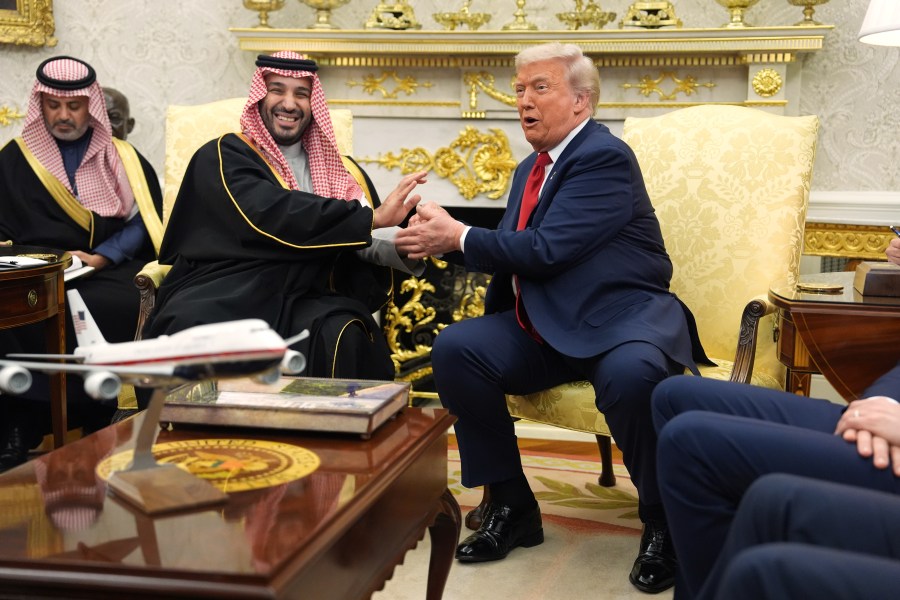
President Donald Trump announced that the United States would permit Saudi Arabia to purchase F-35 fighter jets from Lockheed Martin without imposing any diplomatic or security conditions. This decision marks a significant shift in the approach to arms sales, particularly concerning a nation that has faced scrutiny over its human rights record and regional military activities.
The statement came during a press conference on May 15, 2024, where Trump emphasized the importance of strengthening ties with Saudi Arabia. He indicated that the deal could enhance military cooperation and bolster the U.S. defense industry’s position in the global market. As Trump noted, “We want to ensure that our allies have access to the best technology without unnecessary hurdles.”
This announcement has raised questions regarding the implications for regional security in the Middle East. Critics argue that unrestricted access to advanced military equipment may exacerbate tensions in a volatile region. For instance, Saudi Arabia’s ongoing conflict in Yemen and its rivalry with Iran could be further complicated by the acquisition of such sophisticated weaponry.
The F-35 fighter jet, known for its advanced stealth capabilities and cutting-edge technology, represents a significant leap in air combat effectiveness. The potential sale to Saudi Arabia aligns with the U.S. strategy of reinforcing partnerships with key allies while simultaneously promoting American defense manufacturing.
While the exact financial details of the deal remain undisclosed, previous estimates suggested that sales of F-35s could reach into the billions of dollars. The U.S. government has previously expressed intentions to maintain a qualitative military edge in the region, which may be challenged by this sale.
Supporters of the deal argue that it could enhance security cooperation with Saudi Arabia, facilitating joint training exercises and intelligence sharing. They believe that empowering allies with advanced military capabilities could deter aggression from hostile actors in the region.
Conversely, human rights advocates have voiced concerns that the sale may enable Saudi Arabia to continue its military operations, which have garnered international condemnation. Reports indicate that the Saudi-led coalition in Yemen has been implicated in numerous civilian casualties and human rights violations.
As the situation develops, it remains crucial for stakeholders to monitor the impacts of this potential sale on regional dynamics. The implications of providing state-of-the-art military equipment to Saudi Arabia will likely be a topic of debate in U.S. Congress and among international observers.
In summary, President Trump’s announcement regarding the F-35 sale to Saudi Arabia without conditions reflects a strategic pivot in U.S. arms sales policy. The ramifications of this decision will unfold in the coming months, influencing both U.S. foreign relations and security in the Middle East.

Bitcoin Plummets Below $88K Amid Tether Concerns and Warnings

Designers Unveil 5 Urgent Tricks to Transform Outdoor Eyesores

Shark Teeth Research Reveals Urgent Need to Protect Species

Church Members Unite in Resilience After Thanksgiving Fire

Community Unites to Attempt World Record for Largest Cookie Exchange

Mayor Lurie Appoints Alan Wong to District 4 Seat Amid Controversy

Mayor Appoints Alan Wong as New Supervisor for District 4

UK Report Reveals AI’s Role in Evaluating University Research Quality

Gabriela Jaquez Shines as No. 3 UCLA Dominates No. 14 Tennessee

University of Hawaiʻi Joins $25.6M AI Initiative to Monitor Disasters

Toledo City League Announces Hall of Fame Inductees for 2024

DOJ Seizes $15 Billion in Bitcoin from Major Crypto Fraud Network

Sharp Launches Five New Aquos QLED 4K Ultra HD Smart TVs

Celtics Coach Joe Mazzulla Dominates Local Media in Scrimmage

Mutual Advisors LLC Increases Stake in SPDR Portfolio ETF

Community Unites for 7th Annual Walk to Raise Mental Health Awareness

Western Executives Confront Harsh Realities of China’s Manufacturing Edge

INK Entertainment Launches Exclusive Sofia Pop-Up at Virgin Hotels
-
Science4 weeks ago
University of Hawaiʻi Joins $25.6M AI Initiative to Monitor Disasters
-
 Lifestyle2 months ago
Toledo City League Announces Hall of Fame Inductees for 2024
-
 Business2 months ago
DOJ Seizes $15 Billion in Bitcoin from Major Crypto Fraud Network
-
 Top Stories2 months ago
Sharp Launches Five New Aquos QLED 4K Ultra HD Smart TVs
-
 Sports2 months ago
Celtics Coach Joe Mazzulla Dominates Local Media in Scrimmage
-
 Politics2 months ago
Mutual Advisors LLC Increases Stake in SPDR Portfolio ETF
-
 Health2 months ago
Community Unites for 7th Annual Walk to Raise Mental Health Awareness
-
 Science2 months ago
Western Executives Confront Harsh Realities of China’s Manufacturing Edge
-
 World2 months ago
INK Entertainment Launches Exclusive Sofia Pop-Up at Virgin Hotels
-
 Politics2 months ago
Major Networks Reject Pentagon’s New Reporting Guidelines
-

 Science1 month ago
Astronomers Discover Twin Cosmic Rings Dwarfing Galaxies
-

 Top Stories1 month ago
Randi Mahomes Launches Game Day Clothing Line with Chiefs