
Health
SNAP Program Faces Major Changes Following Government Shutdown

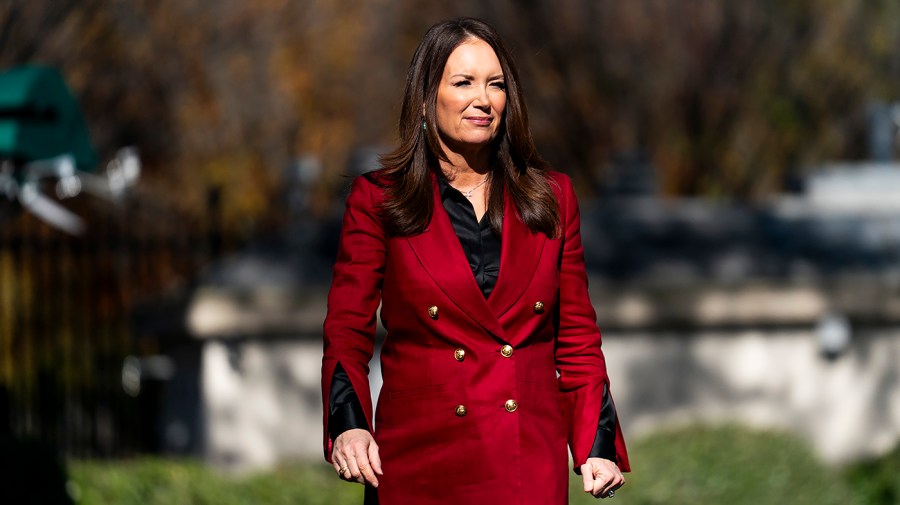
The Supplemental Nutrition Assistance Program (SNAP) is set to undergo significant changes following the recent end of a government shutdown, according to U.S. Agriculture Secretary Brooke Rollins. Speaking on NewsNation Now on March 13, 2024, Rollins emphasized the need for “right-sizing” within the program, despite normal funding having resumed.
Rollins stated that the 43-day government shutdown, which concluded last week, has prompted a reassessment of SNAP’s structure and operations. “Clearly there’s a right-sizing that needs to happen [with the program],” she remarked during the interview. This indicates a shift in approach as the administration looks to optimize resources and improve program efficiency.
The SNAP program, which provides food assistance to millions of low-income Americans, has been a critical lifeline for many households, especially during times of economic uncertainty. With the recent funding restoration, the focus now shifts to how the program can adapt to meet the evolving needs of beneficiaries.
Implications for Beneficiaries and State Administrations
The proposed changes could have wide-reaching implications for both beneficiaries and state administrations that manage the program. Adjustments may involve reevaluating eligibility requirements, benefit levels, and administrative processes. Rollins did not specify the details of these changes, but she highlighted the importance of ensuring that SNAP remains effective in delivering assistance to those in need.
According to the U.S. Department of Agriculture, SNAP served approximately 41 million individuals in fiscal year 2023, with its funding reaching about $113 billion. The program has historically been subject to scrutiny regarding its efficiency and effectiveness, and this reassessment could lead to reforms aimed at enhancing service delivery.
Stakeholders, including advocacy groups and state officials, are likely to weigh in on these developments as the government outlines specific changes. Ensuring that any restructuring does not inadvertently reduce access to crucial nutrition assistance will be a primary concern.
Looking Ahead: Future of SNAP
As discussions continue, the future of SNAP remains a critical issue for lawmakers and the public alike. The program’s ability to adapt to changing circumstances will be vital in maintaining support for low-income families across the United States.
Rollins’s comments reflect a broader initiative within the Biden administration to reassess various public assistance programs. As the government moves forward, maintaining a balance between fiscal responsibility and the needs of vulnerable populations will be crucial.
The outcome of these proposed changes will not only affect SNAP but could also serve as a blueprint for other federal assistance programs facing similar challenges in a post-pandemic landscape.

Millville Woman Arrested for Threatening U-Haul Worker with Baton

Japan’s PM Takaichi Confirms Continued Fiscal Management Strategy

Bitcoin Plummets Below $88K Amid Tether Concerns and Warnings

Designers Unveil 5 Urgent Tricks to Transform Outdoor Eyesores

Shark Teeth Research Reveals Urgent Need to Protect Species

Church Members Unite in Resilience After Thanksgiving Fire

Community Unites to Attempt World Record for Largest Cookie Exchange

Mayor Lurie Appoints Alan Wong to District 4 Seat Amid Controversy

Mayor Appoints Alan Wong as New Supervisor for District 4

University of Hawaiʻi Joins $25.6M AI Initiative to Monitor Disasters

Toledo City League Announces Hall of Fame Inductees for 2024

DOJ Seizes $15 Billion in Bitcoin from Major Crypto Fraud Network

Sharp Launches Five New Aquos QLED 4K Ultra HD Smart TVs

Celtics Coach Joe Mazzulla Dominates Local Media in Scrimmage

Mutual Advisors LLC Increases Stake in SPDR Portfolio ETF

Community Unites for 7th Annual Walk to Raise Mental Health Awareness

Western Executives Confront Harsh Realities of China’s Manufacturing Edge

INK Entertainment Launches Exclusive Sofia Pop-Up at Virgin Hotels
-
Science4 weeks ago
University of Hawaiʻi Joins $25.6M AI Initiative to Monitor Disasters
-
 Lifestyle2 months ago
Toledo City League Announces Hall of Fame Inductees for 2024
-
 Business2 months ago
DOJ Seizes $15 Billion in Bitcoin from Major Crypto Fraud Network
-
 Top Stories2 months ago
Sharp Launches Five New Aquos QLED 4K Ultra HD Smart TVs
-
 Sports2 months ago
Celtics Coach Joe Mazzulla Dominates Local Media in Scrimmage
-
 Politics2 months ago
Mutual Advisors LLC Increases Stake in SPDR Portfolio ETF
-
 Health2 months ago
Community Unites for 7th Annual Walk to Raise Mental Health Awareness
-
 Science2 months ago
Western Executives Confront Harsh Realities of China’s Manufacturing Edge
-
 World2 months ago
INK Entertainment Launches Exclusive Sofia Pop-Up at Virgin Hotels
-

 Politics2 months ago
Major Networks Reject Pentagon’s New Reporting Guidelines
-

 Science1 month ago
Astronomers Discover Twin Cosmic Rings Dwarfing Galaxies
-

 Top Stories1 month ago
Randi Mahomes Launches Game Day Clothing Line with Chiefs