
Health
Hidden Liver Disease Affects Millions in the U.S.

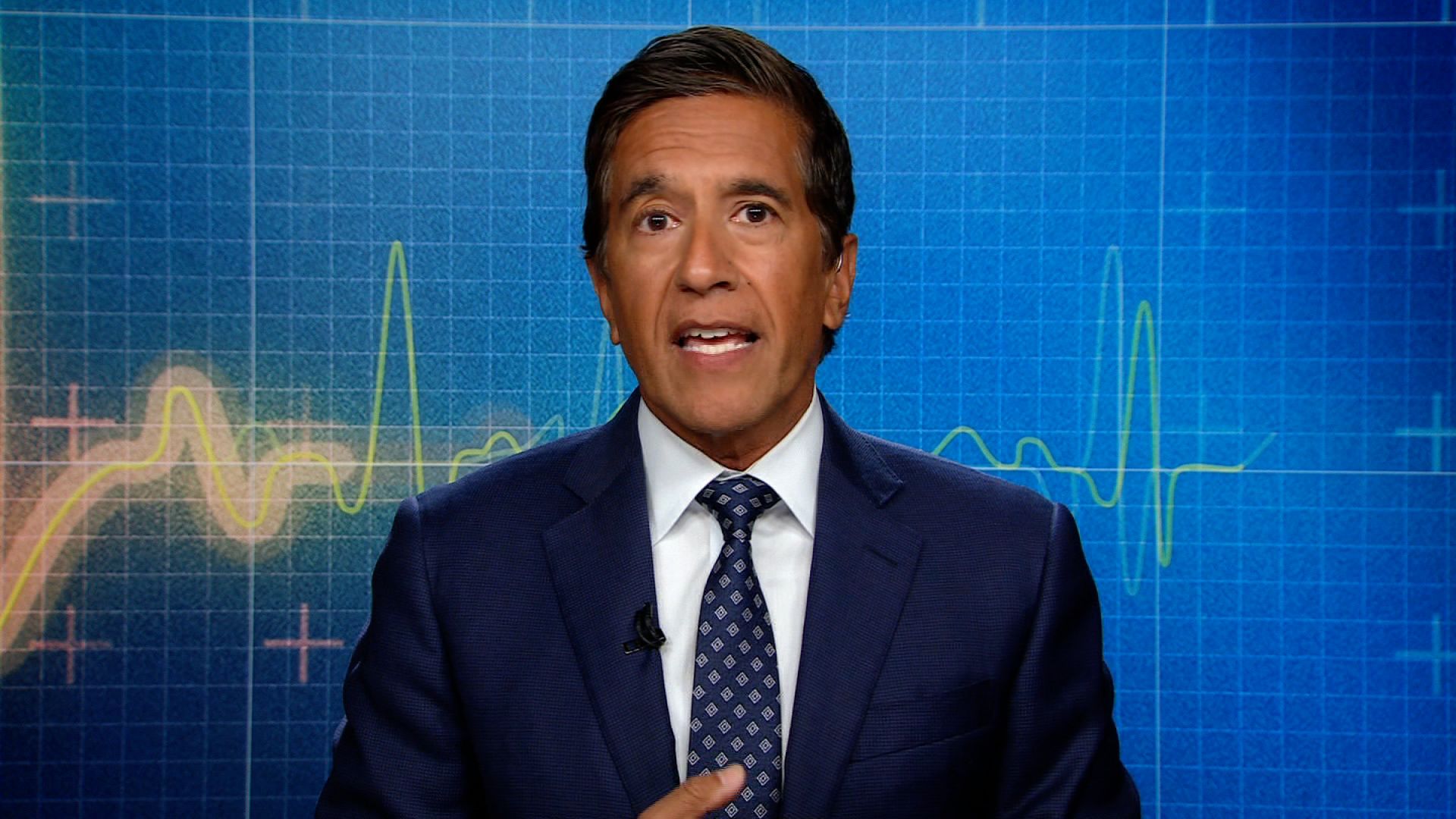
A little-known liver condition is affecting millions of people in the United States, often without their knowledge. Metabolic dysfunction–associated steatotic liver disease, or MASLD, has become one of the most common liver diseases in the country. According to Dr. Leana Wen, an emergency physician and adjunct associate professor at George Washington University, many individuals do not realize they have MASLD until it is more advanced, as it typically develops silently.
Understanding MASLD and its Rising Prevalence
MASLD occurs when excessive fat accumulates in the liver, often linked to underlying metabolic issues such as obesity and type 2 diabetes. Notably, it is not caused by heavy alcohol consumption. Previously known as nonalcoholic fatty liver disease (NAFLD), MASLD now affects an estimated 30% to 40% of adults globally. In the United States, approximately 1 in 3 adults is affected, with the prevalence soaring among those with type 2 diabetes (around 60% to 70%) and obesity (about 70% to 80%).
As the rates of obesity and diabetes continue to rise, MASLD cases are following suit. While many individuals with MASLD may not develop severe liver disease, a significant number may experience complications such as inflammation, scarring, cirrhosis, liver failure, or even liver cancer over time. MASLD is increasingly recognized as a leading cause of liver transplantation in certain demographic groups and is associated with broader health risks, including heart disease and certain cancers.
Symptoms and Diagnosis Challenges
In the early stages, MASLD often goes unnoticed because most individuals do not exhibit symptoms. Dr. Wen notes that some may experience mild fatigue or a vague feeling of discomfort in the upper right abdomen, but these signs are easily overlooked. As the disease progresses, symptoms may become more pronounced, including yellowing of the skin or eyes, dark urine, abdominal swelling, easy bruising, confusion, or severe fatigue.
The diagnosis of MASLD typically arises from routine blood tests revealing abnormal liver enzymes or imaging studies, such as ultrasounds, indicating a fatty liver. Since many people lack noticeable symptoms, healthcare providers rely on identifying metabolic risk factors such as excess weight, diabetes, high blood pressure, and high cholesterol. Once fatty liver is confirmed and other causes ruled out, further tests may be conducted to assess liver damage. Dr. Wen emphasizes the importance of primary care clinicians screening for liver health in patients with metabolic risk factors.
Risk Factors and Treatment Options
Adults with metabolic risk factors are most susceptible to MASLD. While obesity is a primary risk factor, even individuals who appear of normal weight can develop the condition. Older adults, particularly those aged 50 and above, are at greater risk, though children are not immune. The National Institute of Diabetes and Digestive and Kidney Diseases reports that nearly 10% of children aged 2 to 19 have MASLD.
There is promising news regarding the management of MASLD. Dr. Wen states that many individuals can improve or even reverse the condition, especially if diagnosed early. The cornerstone of treatment is weight loss, which significantly reduces liver fat and inflammation. Regular physical activity, such as brisk walking, also enhances insulin sensitivity and lowers liver fat.
Recently, the U.S. Food and Drug Administration has approved two medications for the more advanced form of MASLD known as metabolic dysfunction–associated steatohepatitis (MASH), which involves liver inflammation and scarring. These medications, Rezdiffra (resmetirom) and Wegovy (semaglutide), are intended to complement lifestyle changes rather than replace them. Despite these advancements, no drug currently offers a complete cure for MASLD, highlighting the necessity of early diagnosis and prevention.
Protecting Liver Health
To safeguard against MASLD, individuals are encouraged to adopt strategies that promote overall metabolic health. Maintaining a healthy weight, engaging in regular physical activity, and following a balanced diet rich in lean proteins, whole grains, and vegetables, while limiting added sugars and ultraprocessed foods, are essential steps. For those with conditions like type 2 diabetes, high blood pressure, or high cholesterol, it is crucial to collaborate with healthcare providers to manage these issues effectively.
Individuals should also inquire specifically about their liver health during medical check-ups. Simple blood tests can help identify those who may require further evaluation. Additional measures include avoiding excessive alcohol consumption and ensuring vaccinations against hepatitis, which can help protect liver function.
MASLD, while often overlooked, is becoming a significant health concern. Awareness and proactive measures can help individuals protect their liver health and prevent the progression of this silent disease.

Hallmark’s ‘Christmas at the Catnip Café’ Premieres Tonight!

Millville Woman Arrested for Threatening U-Haul Worker with Baton

Japan’s PM Takaichi Confirms Continued Fiscal Management Strategy

Bitcoin Plummets Below $88K Amid Tether Concerns and Warnings

Designers Unveil 5 Urgent Tricks to Transform Outdoor Eyesores

Shark Teeth Research Reveals Urgent Need to Protect Species

Church Members Unite in Resilience After Thanksgiving Fire

Community Unites to Attempt World Record for Largest Cookie Exchange

Mayor Lurie Appoints Alan Wong to District 4 Seat Amid Controversy

University of Hawaiʻi Joins $25.6M AI Initiative to Monitor Disasters

Toledo City League Announces Hall of Fame Inductees for 2024

DOJ Seizes $15 Billion in Bitcoin from Major Crypto Fraud Network

Sharp Launches Five New Aquos QLED 4K Ultra HD Smart TVs

Celtics Coach Joe Mazzulla Dominates Local Media in Scrimmage

Mutual Advisors LLC Increases Stake in SPDR Portfolio ETF

Community Unites for 7th Annual Walk to Raise Mental Health Awareness

Western Executives Confront Harsh Realities of China’s Manufacturing Edge

Major Networks Reject Pentagon’s New Reporting Guidelines
-
Science4 weeks ago
University of Hawaiʻi Joins $25.6M AI Initiative to Monitor Disasters
-
 Lifestyle2 months ago
Toledo City League Announces Hall of Fame Inductees for 2024
-
 Business2 months ago
DOJ Seizes $15 Billion in Bitcoin from Major Crypto Fraud Network
-
 Top Stories2 months ago
Sharp Launches Five New Aquos QLED 4K Ultra HD Smart TVs
-
 Sports2 months ago
Celtics Coach Joe Mazzulla Dominates Local Media in Scrimmage
-
 Politics2 months ago
Mutual Advisors LLC Increases Stake in SPDR Portfolio ETF
-
 Health2 months ago
Community Unites for 7th Annual Walk to Raise Mental Health Awareness
-
 Science2 months ago
Western Executives Confront Harsh Realities of China’s Manufacturing Edge
-

 World2 months ago
INK Entertainment Launches Exclusive Sofia Pop-Up at Virgin Hotels
-
 Politics2 months ago
Major Networks Reject Pentagon’s New Reporting Guidelines
-

 Science1 month ago
Astronomers Discover Twin Cosmic Rings Dwarfing Galaxies
-

 Top Stories1 month ago
Randi Mahomes Launches Game Day Clothing Line with Chiefs