
World
Trump Administration Unveils Major Environmental Rollbacks During COP30

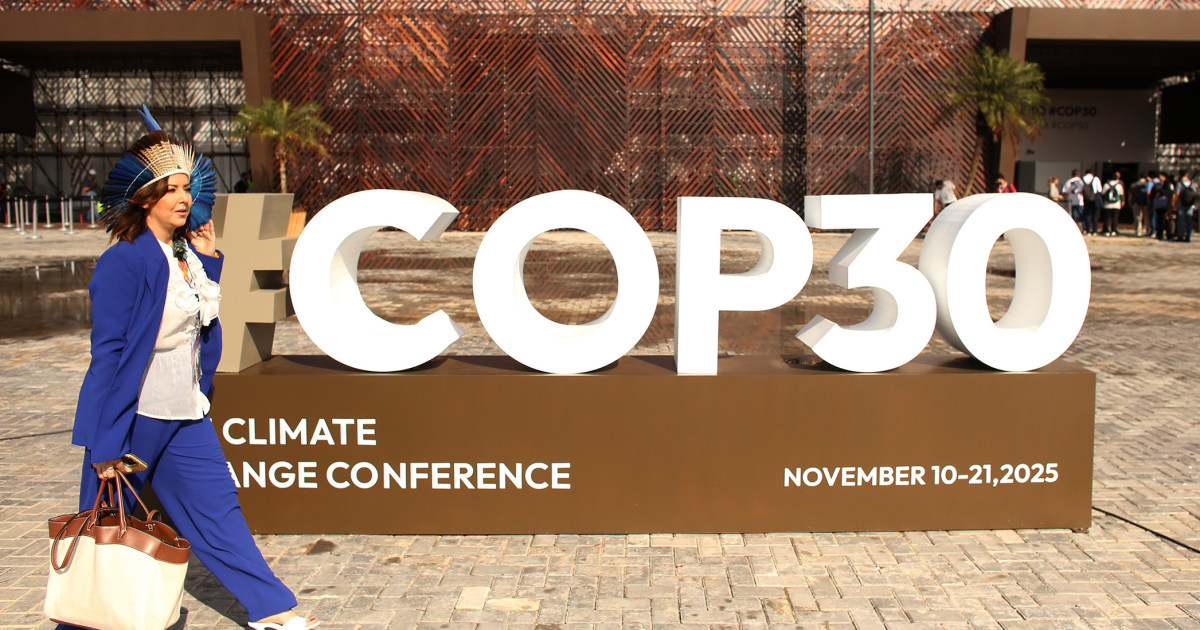
As representatives from nearly 200 nations concluded discussions at the United Nations COP30 climate summit in Belém, Brazil, the Trump administration announced a series of significant environmental rollbacks. These proposals aim to reduce environmental protections while promoting fossil fuel drilling, marking a stark departure from global efforts to combat climate change.
For the first time in history, the United States, one of the largest emitters of greenhouse gases, did not send a delegation to the climate summit. Instead, the administration introduced plans to open approximately 1.27 billion acres of coastal waters for oil drilling off the coasts of California and Florida. This move comes decades after such activities were last permitted.
During the summit, delegates sought to create a roadmap to phase out fossil fuels, enhance climate action, and limit global warming. In stark contrast, the White House characterized its recent announcements as part of President Trump’s agenda to establish “American energy dominance.” White House spokesperson Taylor Rogers stated, “President Trump is reversing government overreach, restoring energy security, and protecting American jobs by rolling back excessive, burdensome regulations.”
Critics swiftly condemned the proposed changes, which include revisions to the Endangered Species Act and the Clean Water Act of 1972. According to Jessie Ritter, associate vice president of waters and coasts for the National Wildlife Federation, these regulations reflect a refusal to confront the climate crisis seriously. She noted, “These rules double down on the administration’s refusal to confront the climate crisis in a serious way and, in fact, move us in the opposite direction.”
The proposed changes to the Clean Water Act would narrow the definition of what constitutes “waters of the United States,” potentially leaving only about 19% of the nation’s wetlands under federal protection. Jon Devine, who leads the water policy team at the Natural Resources Defense Council, emphasized that this could lead to fewer freshwater resources being shielded from unregulated destruction.
Wetlands play a critical role in mitigating flooding by absorbing excessive water during heavy rainfall. As climate change exacerbates flooding risks, these proposed rollbacks could increase the vulnerability of many areas already prone to such disasters. Devine expressed concern, stating, “Many of the places that we already have in the U.S. that are increasingly flood-prone due to climate change are going to be even more in harm’s way.”
In addition to the changes to the Clean Water Act, the administration’s proposals also include modifications to the Endangered Species Act. These alterations would simplify the process for removing species classified as threatened or endangered and complicate the addition of new protected species. The administration would be able to factor “economic impacts” into its decisions regarding species listings.
The announcement drew bipartisan criticism. Senator Rick Scott of Florida expressed support for maintaining the existing moratorium on drilling, which Trump had extended during his presidency. He stated, “Florida’s coasts must remain off the table for oil drilling to protect Florida’s tourism, environment, and military training opportunities.”
California Governor Gavin Newsom also voiced strong opposition, describing the proposal as “dead in the water.” He asserted, “We will not stand by as our coastal economy and communities are put in danger.”
Ritter summarized the implications of the administration’s proposals, stating, “These decisions prioritize short-term gain, often for a few industries and special interests, at the expense of things that have been widely bipartisan and important issues for people for decades.” She warned that while the effects of these rollbacks may not be immediately evident, their long-term consequences could be profound and far-reaching. “It’s truly not an exaggeration that this is going to touch all Americans in some way,” she added.
As the world grapples with climate change, the Trump administration’s actions have sparked significant concern among environmental advocates, policymakers, and global leaders. The absence of U.S. leadership at such a critical moment signals a troubling trend for international climate efforts.

Hallmark’s ‘Christmas at the Catnip Café’ Premieres Tonight!

Millville Woman Arrested for Threatening U-Haul Worker with Baton

Japan’s PM Takaichi Confirms Continued Fiscal Management Strategy

Bitcoin Plummets Below $88K Amid Tether Concerns and Warnings

Designers Unveil 5 Urgent Tricks to Transform Outdoor Eyesores

Shark Teeth Research Reveals Urgent Need to Protect Species

Church Members Unite in Resilience After Thanksgiving Fire

Community Unites to Attempt World Record for Largest Cookie Exchange

Mayor Lurie Appoints Alan Wong to District 4 Seat Amid Controversy

University of Hawaiʻi Joins $25.6M AI Initiative to Monitor Disasters

Toledo City League Announces Hall of Fame Inductees for 2024

DOJ Seizes $15 Billion in Bitcoin from Major Crypto Fraud Network

Sharp Launches Five New Aquos QLED 4K Ultra HD Smart TVs

Celtics Coach Joe Mazzulla Dominates Local Media in Scrimmage

Mutual Advisors LLC Increases Stake in SPDR Portfolio ETF

Community Unites for 7th Annual Walk to Raise Mental Health Awareness

Western Executives Confront Harsh Realities of China’s Manufacturing Edge

INK Entertainment Launches Exclusive Sofia Pop-Up at Virgin Hotels
-
Science4 weeks ago
University of Hawaiʻi Joins $25.6M AI Initiative to Monitor Disasters
-
 Lifestyle2 months ago
Toledo City League Announces Hall of Fame Inductees for 2024
-
 Business2 months ago
DOJ Seizes $15 Billion in Bitcoin from Major Crypto Fraud Network
-
 Top Stories2 months ago
Sharp Launches Five New Aquos QLED 4K Ultra HD Smart TVs
-
 Sports2 months ago
Celtics Coach Joe Mazzulla Dominates Local Media in Scrimmage
-
 Politics2 months ago
Mutual Advisors LLC Increases Stake in SPDR Portfolio ETF
-
 Health2 months ago
Community Unites for 7th Annual Walk to Raise Mental Health Awareness
-
 Science2 months ago
Western Executives Confront Harsh Realities of China’s Manufacturing Edge
-
 World2 months ago
INK Entertainment Launches Exclusive Sofia Pop-Up at Virgin Hotels
-

 Politics2 months ago
Major Networks Reject Pentagon’s New Reporting Guidelines
-

 Science1 month ago
Astronomers Discover Twin Cosmic Rings Dwarfing Galaxies
-

 Top Stories1 month ago
Randi Mahomes Launches Game Day Clothing Line with Chiefs